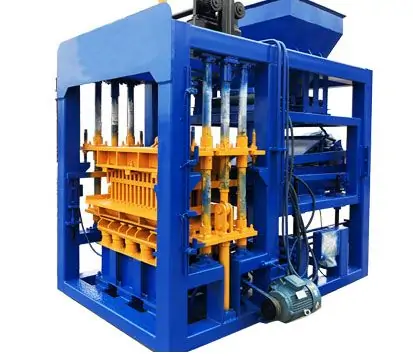
Are you looking to tap into Kenya’s booming construction sector with a high-margin block manufacturing venture?
Choosing the right equipment is the single most critical decision you’ll make—it is the difference between steady daily profits and costly operational downtime.
In this practical guide, we break down the best cement block machine for small business in Kenya (2026). From high-demand hydraulic interlocking units like the M7MI to cost-effective stationary and mobile egg-laying models, you’ll discover accurate pricing, real production capacities, and the exact setup required to launch a profitable business from day one.
Let’s dive right in.
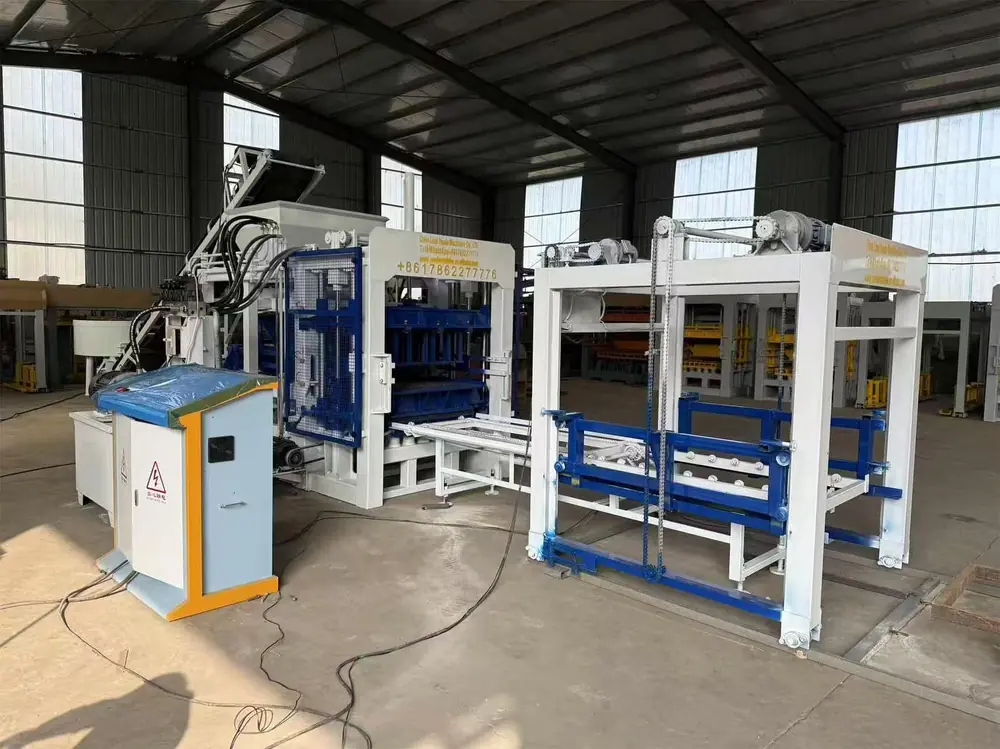
The Cement Block Making Industry in Kenya (2026)
Key Drivers of Kenya’s Construction and Block Demand
The Kenyan construction sector continues to experience robust growth in 2026, fueled by rapid urbanization and the government’s commitment to affordable housing initiatives. As infrastructure projects expand across major urban centers and rural development zones, the demand for high-quality building materials has reached an all-time high. Contractors and developers are increasingly prioritizing standardized, durable concrete blocks that meet strict building codes, making the transition from manual, low-quality production to professional-grade mechanical manufacturing a necessity for market competitiveness.
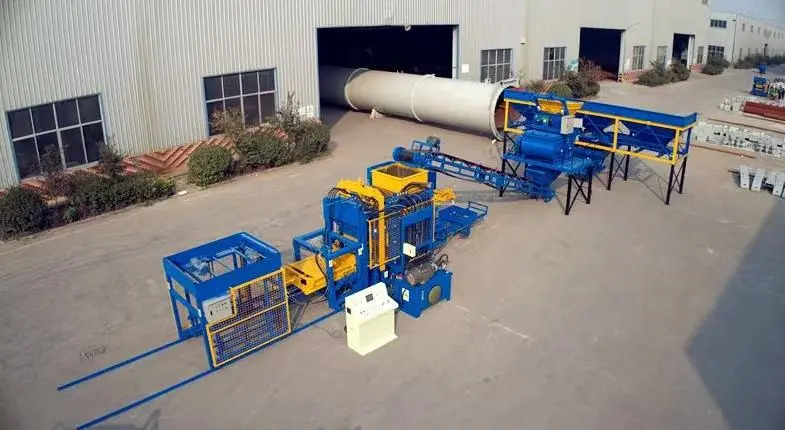
Why Block Making is a Profitable Small Business Opportunity
Investing in a professional cement block machine offers a high-reward entry point for entrepreneurs. By producing blocks locally, businesses bypass the logistical costs and delays associated with sourcing materials from distant suppliers.
The profitability of this venture is driven by:
Consistent Demand: Ongoing residential and commercial projects ensure a steady flow of orders.
Operational Efficiency: Utilizing advanced machinery reduces reliance on manual labor, lowering long-term production costs.
Versatility: Modern equipment allows for the production of various shapes and sizes, including hollow blocks, solid blocks, and paving stones, enabling businesses to diversify their revenue streams.
Scalability: Starting with a reliable, high-efficiency machine allows small businesses to scale production capacity as their client base grows, ensuring a solid return on investment through consistent output and reduced maintenance downtime.
Types of Cement Block Machines for Small Businesses in Kenya
Selecting the right equipment is the most critical decision for any startup. Understanding the different categories of concrete block machines ensures your production capacity aligns with your market demand.
Manual Concrete Block Machines
Manual machines are the entry-level choice for small-scale operations. These units rely on physical labor for material feeding and vibration, making them highly affordable for those with limited startup capital. While production speed is lower compared to automated systems, they offer a low-maintenance solution for producing basic hollow or solid blocks.
Mobile Egg-Laying Block Machines
Known for their versatility, egg-laying machines move across a flat concrete floor, depositing blocks as they go. This eliminates the need for expensive pallets, significantly reducing operational overhead. These machines are ideal for small businesses that need to produce blocks directly on the construction site, saving on logistics and transportation costs.
Hydraulic Interlocking Brick Machines
These machines utilize high-pressure hydraulic systems to create interlocking blocks that require little to no mortar during construction. By ensuring high density and precise dimensions, hydraulic technology allows small businesses to produce professional-grade bricks that meet modern building standards. The consistent force applied by the hydraulic ram ensures that every block is uniform in strength and finish.
Semi-Automatic Concrete Block Equipment
For businesses looking to scale, semi-automatic equipment bridges the gap between manual labor and fully automated production. These machines integrate PLC intelligent control systems to manage vibration and cycle times, ensuring higher output consistency. By reducing the reliance on manual precision, semi-automatic systems help small businesses minimize waste and maximize the quality of their concrete blocks.
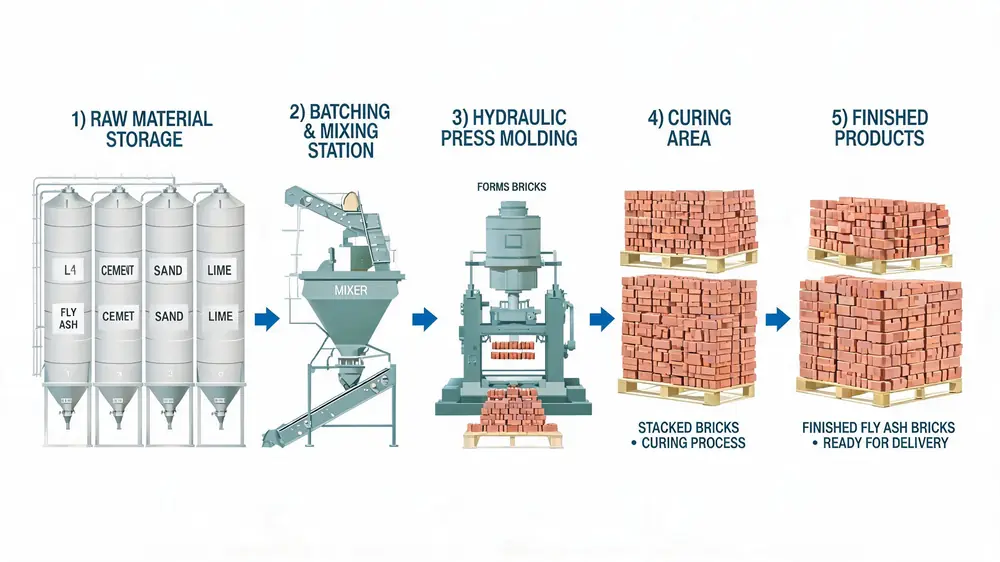
Best Cement Block Machines for Small Business in Kenya
Selecting the right equipment determines your daily output, product quality, and return on investment. For entrepreneurs targeting the growing building sector in Kenya, we focus on durable, energy-efficient equipment designed to handle demanding site conditions while keeping maintenance low. Exploring our cement block machines rated by output and price helps match specific field needs with proven hardware configurations.
QT4-40 Stationary Vibrating Block Machine
The QT4-40 stationary vibrating block machine is a practical, entry-level workhorse for startup yards. It combines heavy-duty steel framing with reliable mechanical vibration to deliver consistent block compaction.
- Key Capabilities: Produces standard hollow blocks, solid bricks, and interlocking pavers by swapping molds.
- Molds & Durability: Uses heat-treated, wear-resistant steel molds to extend service life and maintain sharp block edges.
- Ideal For: Small commercial block yards requiring steady daily output without complex setup procedures.
QTJ4-40 Hydraulic Small-Scale Block Making Machine
The QTJ4-40 hydraulic block maker upgrades production by pairing high-frequency vibration with hydraulic pressure. This dual-action compression ensures higher compressive strength in every block, meeting strict structural building standards.
- Performance Edge: Increased block density with smooth surface finishes, reducing cement waste during mixing.
- Operation: Semi-automatic lever controls allow quick cycle times with minimal operator fatigue. For practical budgeting insights on this class of equipment, review our small-scale block making machine guide and price considerations.
- Ideal For: Growing suppliers supplying structural hollow blocks and high-density paving units.
M7MI Hydraform Interlocking Diesel Block Machine
For rural construction sites or areas with unreliable grid power, the M7MI diesel-powered interlocking block machine delivers complete operational independence.
- Power System: Integrated diesel engine with an integrated pan mixer, eliminating the need for three-phase electricity.
- Product Type: Compresses soil-cement or standard aggregate mixtures into self-locking interlocking bricks that minimize mortar use during wall construction.
- Mobility: Mounted on a rugged towable trailer chassis for easy transport directly to remote project sites.
Egg-Laying Mobile Block Machines for On-Site Production
Egg-laying mobile block machines move across a flat concrete slab, depositing formed blocks directly onto the ground as they travel.
- No Pallet Expenses: Drops finished blocks directly onto the curing floor, significantly reducing startup costs on wooden or composite pallets.
- Simple Workflow: Maneuverable steering and straightforward controls enable fast turnaround on high-volume hollow block runs.
- Ideal For: On-site contractors managing large boundary wall projects or localized housing developments with ample open yard space.
Cost Analysis and Price Tiers of Block Machines in Kenya
Average Machine Price Ranges (Local vs. Imported)
When evaluating the best cement block machine for small business in Kenya (2026), you will find a distinct price gap between locally fabricated equipment and high-performance imported machinery. Local machines are often lower in initial cost but may lack the advanced hydraulic systems and long-service-life components found in professional-grade imports. Investing in imported concrete block machine technology typically offers a higher return on investment due to superior production consistency and reduced maintenance needs.
Additional Expenses: Shipping, Clearance, and Molds
The total cost of your investment extends beyond the base machine price. When importing, you must account for logistics, ocean freight, and port clearance fees in Mombasa. It is also vital to budget for high-quality, heat-treated molds. Choosing durable hollow block making machines often requires an upfront investment in precision-engineered molds, which ensures your finished products meet strict Kenyan building standards and have a professional finish.
Operational and Raw Material Startup Costs
Beyond the machinery, your capital allocation should prioritize the following startup essentials:
Site Preparation: Leveling and concrete flooring for the production area.
Raw Materials: Sourcing affordable, high-quality sand, aggregate, and cement.
Power Supply: Assessing whether your production site requires a generator or a stable grid connection to support high-frequency vibration technology.
Labor: Training staff to operate PLC intelligent control systems effectively.
For a detailed breakdown of how different configurations impact your bottom line, refer to our comprehensive concrete block machine price guide to align your budget with your production goals.
How to Choose the Best Block Machine for Your Scale and Budget
Selecting the best cement block machine for small business in Kenya requires balancing your daily target output against upfront capital. We focus on matching machine capacity, footprint, and build quality directly to your specific market demands.
Evaluating Production Capacity and Output Needs
Before buying, calculate your daily production target based on local demand in your target county:
- Micro Scale (300–800 blocks/day): Ideal for starting with minimal labor and lower power consumption.
- Small-to-Medium Commercial Scale (1,000–3,500 blocks/day): Best for commercial supply to local building sites using semi-automatic vibration systems.
- Product Versatility: Ensure the machine supports interchangeable tooling. Knowing how to choose the right mold for your block making machine allows you to shift between hollow blocks, solid bricks, and paving blocks without buying a new system.
Selecting Between Stationary and Mobile Machine Types
Your operating site determines whether a stationary or mobile egg-laying unit is the right investment.
| Feature | Stationary Block Machine | Mobile Egg-Layer Machine |
|---|---|---|
| Pallet Requirement | Requires wooden or PVC pallets | Pallet-free (drops directly on concrete slab) |
| Space Needed | Compact production area + curing yard | Large, flat concrete working area |
| Hydraulic Pressure | High compaction and vibration | Moderate vibration |
| Best For | High-density hollow, solid, and paving blocks | Standard hollow blocks on large open yards |
For high-density interlocking and paving bricks, stationary hydraulic setups provide the vibration and pressure needed to meet strict building standards. Review our automatic block making machine guide to evaluate hydraulic compaction systems suited for commercial operations.
Local Fabricated vs. Foreign Import Machinery
When investing in the Kenyan market, choosing between locally fabricated units and industrial imports comes down to long-term reliability:
- Locally Fabricated Units: Lower entry price and readily available basic repairs, but often lack precision molds, uniform vibration, and long-term structural durability.
- Standard Imported Industrial Machines: Built with heavy-duty steel frames, heat-treated carburized molds, and advanced hydraulic systems that deliver consistent block strength, lower cement consumption per block, and significantly less downtime.
Step-by-Step Guide to Starting a Block Business in Kenya
Launching a profitable masonry production enterprise requires more than just securing the best cement block machine for small business in Kenya (2026). Setting up efficient site logistics, locking down affordable raw aggregate supplies, and practicing disciplined preventive maintenance are the three pillars that protect your startup capital and guarantee continuous output.
Site Requirements and Infrastructure Preparation
Your production yard dictates daily workflow efficiency, curing capacity, and truck accessibility. A cramped or poorly leveled yard leads to broken green blocks and logistical bottlenecks.
| Infrastructure Component | Key Requirement | Operational Purpose |
|---|---|---|
| Yard Space | Minimum 1/8 to 1/4 acre | Accommodates raw material stockpiles, machine operation, and 21-day curing space. |
| Curing & Production Floor | Flat, compacted ground or concrete slab | Prevents freshly molded hollow blocks and solid units from cracking before setting. |
| Water Supply | Consistent access (borehole, bowser, or piped) | Essential for concrete batching and intensive twice-daily block curing. |
| Power Infrastructure | 3-phase electricity or a 15–20 kVA generator | Powers high-frequency vibration motors and hydraulic station pumps reliably. |
Sourcing Quality Raw Materials Economically
Raw material costs represent up to 70% of day-to-day operational expenses in Kenya. Keeping margins healthy depends on sourcing aggregates in bulk directly from quarries rather than middlemen.
- Cement: Standard 32.5N grade works well for standard hollow blocks, while 42.5N is recommended for high-strength pavers and commercial load-bearing units.
- Quarry Dust & Sand: Sourcing clean, silt-free river sand or blue stone quarry dust directly from local crushing plants significantly lowers unit costs. Review our detailed cement brick making machine raw materials guide to optimize aggregate ratios and reduce cement usage without losing compressive strength.
- Aggregates: Clean 6mm to 10mm ballast delivers structural density for commercial concrete block machines.
Machine Maintenance Practices to Ensure Longevity
High-vibration brick making equipment handles severe abrasive stress daily. Implementing a structured maintenance routine keeps your equipment running smoothly and prevents unplanned downtime.
- Daily Washdown: Wash away residual wet concrete from mold boxes, core tamper heads, and mixer paddles at the end of every shift before the slurry cures.
- Lubrication Schedules: Grease all vibration shaft bearings, guide pillars, and moving mechanical linkages every morning prior to starting production.
- Hydraulic System Care: Regularly inspect hydraulic hoses for wear, maintain proper fluid levels with anti-wear hydraulic oil, and replace oil filters periodically to protect valves.
- Fastener Inspections: Check and tighten all mold mounting bolts and motor brackets weekly, as intense vibration can gradually loosen structural fasteners.
Frequently Asked Questions (FAQs)
Which cement block machine is best for beginners in Kenya?
For most startups entering the market, a compact semi-automatic vibrating unit like the QT4-40 or a mobile egg-layer is the most practical choice. These machines offer low power requirements, straightforward operation, and high reliability without requiring extensive technical training. They allow you to produce standard hollow blocks, solid bricks, and pavers simply by switching durable, heat-treated molds as demand shifts.
How much capital do I need to start a block making business?
Total startup capital varies based on production capacity, raw material stock, and site preparation. In addition to securing the primary concrete block machine, you need funds for initial cement bags, sand, quarry dust, water storage, and curing space. Reviewing a detailed breakdown of cement block machine cost in Kenya helps you allocate your budget effectively across equipment, logistics, and operating reserves.
What is the typical payback period for a small-scale block machine?
Most small to medium block production sites achieve full return on investment within 3 to 8 months of consistent operation. Quick payback depends on maintaining steady daily output, controlling material waste, and securing local building contractor orders. Applying practical strategies on how to start a block machine business successfully will keep machine downtime low and maximize profit margins from your first production run.