
What is a Concrete Block Making Machine?
Definition and Working Principle
A concrete block making machine is industrial equipment designed to mold raw aggregates—such as sand, crushed stone, cement, and fly ash—into precise structural building blocks. Understanding this core equipment is the first step when evaluating how to choose a block making machine for commercial production.
The machine operates through a streamlined mechanical and hydraulic process:
1. Batching and Mixing: Raw materials and water are combined to achieve a uniform mix ratio.
2. Feeding: The mixed concrete is automatically or manually fed into the mold cavity.
3. Compaction: The system applies high-frequency vibration and hydraulic pressure to consolidate the material, eliminating air voids.
4. Demolding: Formed blocks are ejected onto pallets, ready for curing.
Main Components of a Concrete Block Machine
A modern block manufacturing machine relies on integrated structural units to maintain continuous operation:
- Batching & Mixing Plant: Controls aggregate ratios and ensures material homogeneity.
- Material Feeder Box: Distributes concrete evenly across the mold cavity.
- Vibration & Hydraulic Station: Delivers compaction force for maximum block density.
- Interchangeable Mold: Heavy-duty steel tooling that determines final block dimensions.
- PLC Control Panel: Digital interface regulating cycle times, pressure, and automation sequencing.
- Pallet Stacker: Automatically collects finished blocks for efficient transfer to curing areas.
Types of Blocks Produced
By swapping out precision molds, a single machine produces diverse units tailored to global construction demands:
| Block Type | Primary Applications |
|---|---|
| Hollow Blocks | Exterior walls, partitions, and lightweight structural frameworks |
| Solid Blocks | High-load foundations, heavy masonry walls, and retaining structures |
| Paving Stones | Driveways, walkways, parking lots, and municipal plazas |
| Fly Ash Bricks | Sustainable residential building and eco-friendly masonry works |
| Curbstones | Road edge framing, highway infrastructure, and landscaping borders |
Key Advantages of Using a Block Making Machine
Investing in dedicated production equipment transforms your output speed and overall profitability. We specialize in manufacturing block making machine systems built to handle demanding construction projects and help growing businesses scale effectively.
High Production Efficiency and Speed
Manual casting simply cannot match the volume generated by modern block machinery. Automated systems streamline raw material mixing, compression, and demolding into fast, continuous production cycles.
- Massive Daily Output: Produce thousands of uniform units per shift without operational slowdowns.
- Fast Cycle Times: Advanced hydraulic pressure and high-frequency vibration mold finished blocks in seconds.
- Minimized Downtime: Heavy-duty steel frames and reliable motors ensure stable, continuous operation.
To see how streamlined workflows directly boost your daily yield, check out our comprehensive concrete block machines operation and ROI guide.
Consistent Quality and Block Strength
Consistency on the job site protects your brand reputation. Mechanized equipment eliminates human error during the compaction phase, ensuring every unit achieves target structural density.
- Uniform Density: Powerful vibration forces out air pockets to build solid, high-load-bearing units.
- Exact Dimensions: Precision molds produce identical block shapes, saving masons time and reducing mortar usage during installation.
- Reduced Material Waste: Controlled mixing and press ratios significantly lower product cracking and site breakage rates.
Lower Labor Costs and High ROI
Transitioning to automated machinery shifts your financial focus from ongoing operational expenses to long-term profitability.
| Advantage Area | Manual Production | Automated Machine Production |
|---|---|---|
| Labor Requirement | High (large manual crew) | Low (1–3 operators depending on automation) |
| Per-Unit Cost | High (variable efficiency) | Low (consistent, optimized material use) |
| Return on Investment | Slow scale | Fast capital recovery via bulk production |
- Cut Overhead Expenses: Automating material feeding, molding, and pallet handling dramatically shrinks labor payroll.
- Competitive Market Pricing: Lower production costs per block allow you to price aggressively while keeping profit margins healthy.
Planning your capital investment effectively starts with clear cost expectations—explore our detailed concrete block machine price breakdown to evaluate your options.
Main Types of Concrete Block Making Machines
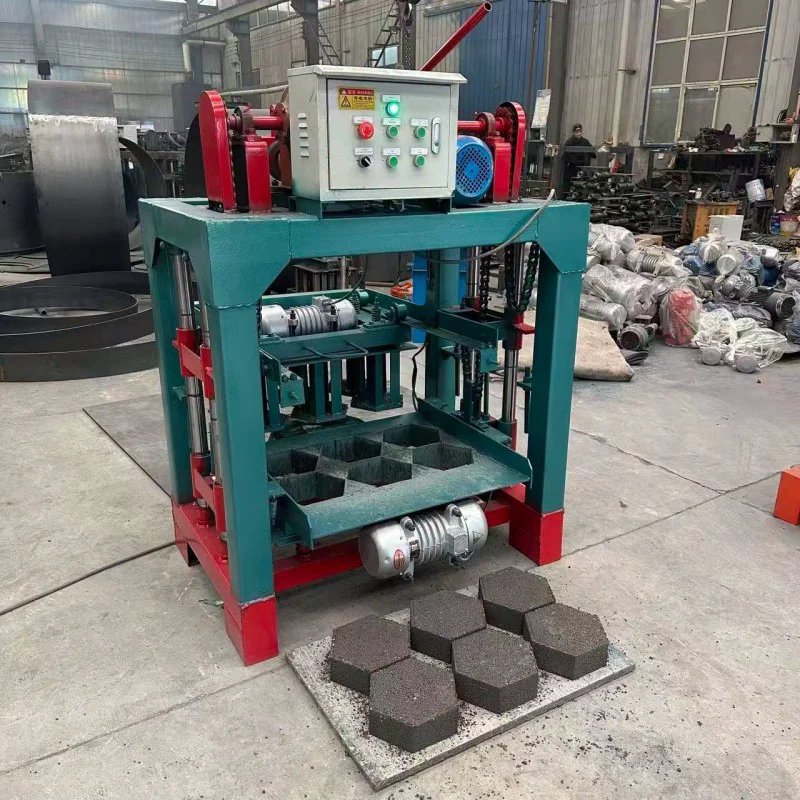
Selecting the right equipment comes down to matching your production goals with the right technology. We specialize in manufacturing block making machine solutions designed to scale with your business demands.
Fully Automatic Concrete Block Machine
Built for maximum efficiency, an automatic brick making machine handles raw material batching, mixing, feeding, and hydraulic pressing through an automated PLC system.
- Operation: Touch-screen PLC control with automated material distribution
- Advantage: Maximum daily output, low labor reliance, and precise product dimensions
- Best For: Medium to large-scale commercial block manufacturers
Semi-Automatic Concrete Block Machine
A semi-automatic block machine offers an ideal balance by combining powered hydraulic vibration with manual pallet feeding and material loading.
- Operation: Lever controls paired with automated hydraulic compression
- Advantage: Low capital investment, simple maintenance, and quick operator training
- Best For: Growing block yards and mid-sized construction projects
Manual Concrete Block Machine
Manual machines use mechanical leverage and simple vibration motors to shape concrete blocks without complex electronics.
- Operation: Fully manual lever pressing and pallet handling
- Advantage: Lowest setup cost, highly durable, and operates without continuous grid power
- Best For: Startups, small local sites, and regions with unstable electricity
Mobile and Hydraulic Block Machines
Mobile block machines move directly across a flat concrete floor, laying finished blocks on the ground without requiring wooden pallets. Equipped with high-pressure hydraulic systems, these units produce high-density load-bearing blocks and pavers while saving significant money on pallet inventory.
Common Applications of Block Making Machines
A modern block making machine is one of the most versatile investments for any building supply enterprise or construction project. By swapping out molds, a single system can manufacture an extensive variety of high-strength concrete products tailored to local market demands.
Solid and Hollow Block Production
Solid and hollow blocks form the backbone of modern structural masonry. Achieving uniform density across both block types is simple with modern hydraulic pressing technology:
- Hollow Blocks: Designed for perimeter and partition walls. They offer superior thermal insulation, soundproofing, and reduced building weight.
- Solid Blocks: Engineered for heavy load-bearing applications. These are essential for foundation work, retaining structures, and high-load security walls.
Fly Ash Bricks and Paving Stones
Beyond standard wall blocks, equipment versatility allows producers to target high-margin specialty markets:
- Fly Ash Bricks: Formed by combining industrial byproducts (fly ash, slag, and lime) to create lightweight, eco-friendly bricks with exact dimensional consistency.
- Interlocking Paving Stones: High-density pavers built to withstand heavy traffic on driveways, walkways, patios, and municipal plazas.
The shift to automated equipment offers clear performance advantages, especially when comparing handmade vs machine made bricks in modern construction in terms of compressive strength and turnout speed. For contractors managing scattered job sites, deploying a mobile block making machine allows direct on-site output of both paving stones and standard wall units.
Infrastructure and Residential Construction
Concrete block machinery powers projects across every segment of civil engineering:
- Residential Housing: Rapid, high-volume block production shortens build timelines and cuts down on-site masonry labor.
- Civil Infrastructure: Specialized molds produce kerbstones, roadside drainage channels, slope protection blocks, and perimeter fencing components for municipal developments.
How to Choose the Right Block Making Machine
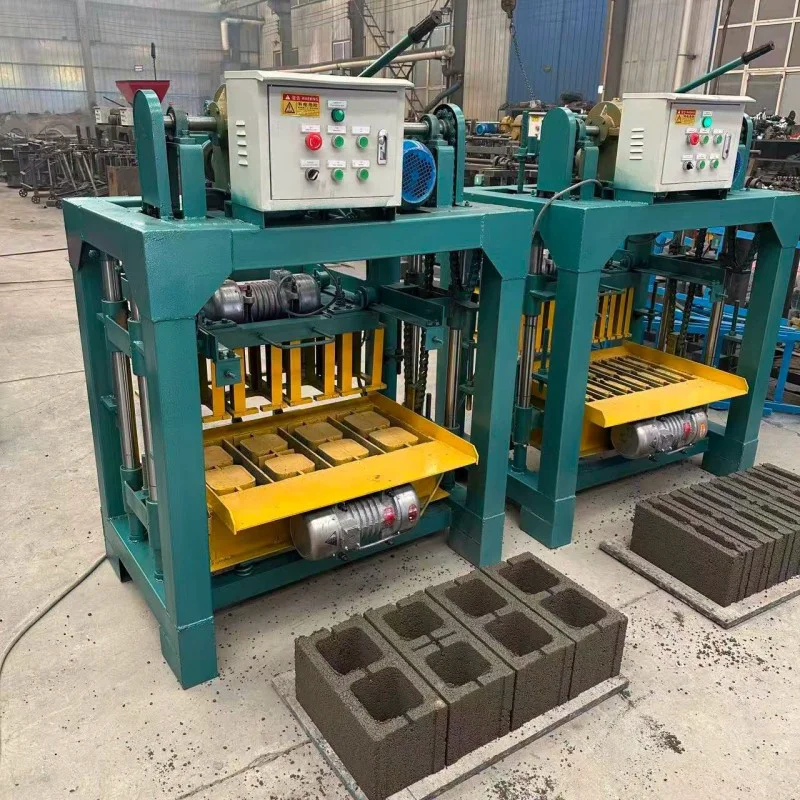
Knowing how to choose a block making machine comes down to matching equipment capabilities with your project goals, available capital, and local market demand. We recommend evaluating four critical factors to ensure maximum profitability.
Determining Required Production Capacity
Calculate your target daily yield before buying. Choosing a machine that matches your output requirements prevents costly bottlenecks or underutilized machinery.
| Production Scale | Daily Output (8-Hour Shift) | Best Suited For |
|---|---|---|
| Small Scale | 500 – 3,000 blocks | Local contractors, startup block yards |
| Medium Scale | 3,000 – 8,000 blocks | Commercial suppliers, municipal projects |
| Large Scale | 8,000 – 20,000+ blocks | High-volume industrial block plants |
Selecting the Ideal Level of Automation
The right balance between labor and automation directly impacts your operational cost structure:
- Manual Machines: Lowest upfront cost, but heavy labor demands and variable block quality.
- Semi-Automatic Machines: Balanced choice; operators manage raw material feeding while hydraulic compression runs automatically.
- Fully Automatic Lines: Controlled via PLC panels for maximum production speed, high density consistency, and minimal labor requirements.
Evaluating Machine Price and Overall Budget
Factor in total operational expenditure rather than just the initial equipment sticker price. Your overall budget must include:
- Purchase & Freight: Core machine cost, custom molds, and site delivery.
- Installation & Setup: Electrical infrastructure, hydraulic oil, and foundation preparation.
- Operating Expenses: Spare wear parts, routine maintenance, labor, and energy usage.
Assessing Working Space and Raw Material Supply
Your site layout dictates the type of equipment you can operate effectively. You need sufficient ground space for raw material stockpiles, the main production unit, and a curing yard. If factory space is limited or you work across multiple project locations, a compact diesel mobile block machine offers a space-saving solution without requiring permanent concrete foundations.
Equally important is securing a steady supply of aggregate, sand, fly ash, or cement. Review our comprehensive cement brick raw materials guide to optimize your local mix ratios and guarantee high structural strength in every batch.
Maintenance and Care Guidelines
Keeping your block making machine running at peak performance requires a proactive routine. Drawing from our block machinery manufacturing experience, consistent maintenance prevents unexpected downtime, maintains high output quality, and extends your equipment’s lifespan.
Daily Inspection and Lubrication
Daily care is your first line of defense against premature mechanical wear and expensive repairs.
- Hydraulic System Checks: Inspect fluid levels, monitor system temperature, and check hoses for leaks before every shift.
- Targeted Lubrication: Apply high-grade grease to guide columns, sliding shafts, and bearings daily to reduce friction.
- Fastener Tightening: High-frequency vibration loosens hardware over time. Check and tighten all critical bolts and nuts every morning.
- End-of-Day Cleanup: Clear away concrete slurry, dust, and aggregate buildup from pressing heads, molds, and conveyor tracks.
Mold and Component Wear Replacement
Block molds and vibration components absorb intense stress during operation. Replacing worn parts promptly keeps block dimensions accurate and structural strength consistent.
- Mold Surface Audits: Check mold liners, core pins, and tamper heads regularly for cracks or dimensional drift.
- Timely Mold Swaps: Replace heavily worn molds immediately to avoid producing out-of-spec blocks that fail quality standards.
- Vibration Box Maintenance: Monitor vibration bearings and drive belts; swap worn belts early to maintain proper compaction density.
- Hydraulic Seal Care: Replace worn cylinder seals immediately at the first sign of fluid seepage to prevent pressure drops.
To stay current on equipment optimization, check out our latest block machinery news and guides.
Safe Operational Practices
Maintaining strict safety protocols protects your crew while safeguarding your production line from accidental damage.
- Operator Training: Allow only certified, trained staff to operate controls and modify system settings.
- Mandatory PPE: Require all workers to wear hard hats, heavy-duty gloves, safety boots, and ear protection on the shop floor.
- Emergency Stop Checks: Test all emergency stop switches and safety interlocks prior to running daily production cycles.
- Lockout/Tagout Protocols: Always cut main power and depressurize hydraulic systems before performing mold changes or repairs.