
Handmade vs Machine-Made Bricks affect density, porosity, and moisture behavior, which impacts overall performance.
Brick choice impacts load behavior and weathering over time. Each brick handles stress and moisture differently, especially during freeze-thaw cycles. This can affect durability for decades.
Handmade bricks show skill through careful crafting, while machine-made bricks provide uniform size and shape. This leads to consistent installation results.
Project teams aim for lower costs while appreciating the charm of handmade bricks. They ensure the facade matches the heritage character in modern buildings. Supply limits and installer experience affect results. Each brick type relies on a dependable supplier to keep timelines and ensure consistent build quality.
What Are Handmade Bricks?
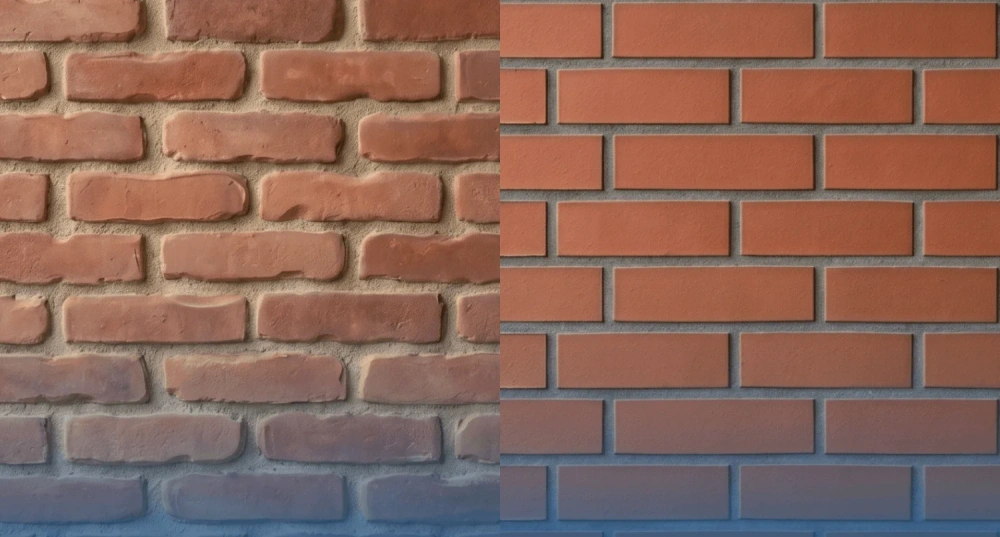
A handmade brick is made when skilled brickmakers shape clay. They use controlled manual pressure and fixed wooden molds.
The clay mix is adjusted for moisture in batches. Each brick is made by pressing the mix into a mold. Then, it is released onto a sanded bed. Air drying gets rid of extra water. Then, units go into a kiln. This firing process locks in strength and stabilizes the final color in each batch.
Each handmade brick varies in size. This happens because manual forming alters its shape during both the shaping and release stages. Output stays low because the method is labor-intensive. This leads to less output compared to fully mechanized lines.
What Are Machine-Made Bricks?
Machine-made bricks come from automated systems. These systems shape each brick with controlled mechanical force. Industrial lines shape material into a long column. Then, they cut each brick to standard dimensions before drying.
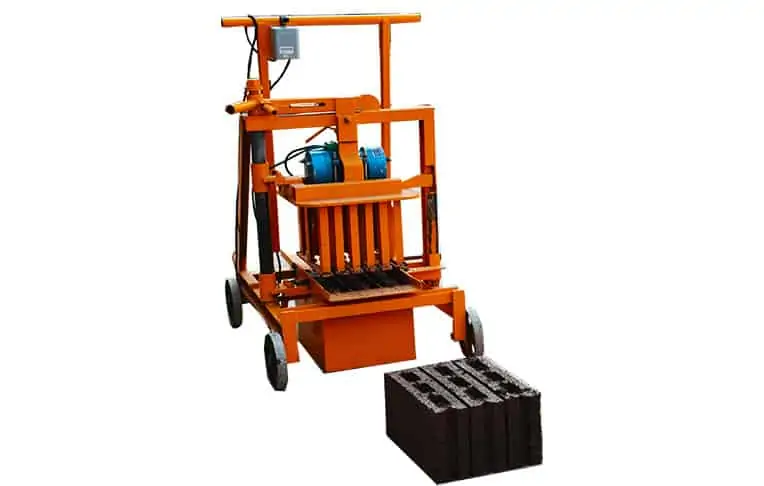
Each brick is made with consistent settings during production. This ensures high uniformity in size and shape across batches. Drying is done before using the kiln. This firing process stabilizes the structure and gives a uniform color finish.
High production capacity lets plants make a lot of bricks. This makes machine-made bricks ideal for projects needing large amounts and consistent quality.
Differences Between Handmade and Machine-Made Bricks
Handmade and machine-made bricks differ in density, porosity, and moisture behavior. This impacts performance. The way each brick is formed changes the internal pathways.
Handmade bricks have varied surfaces, which can impact bonding and alignment. In contrast, machine-made bricks offer consistent shapes. This consistency allows for quicker installation. Selection depends on how each brick type meets structural needs and site conditions during building.
Manufacturing and consistency
Manual forming causes dimensional variation. The shaping pressure alters the edges and surface texture of each brick. Irregular geometry produces softer lines and less-defined faces than controlled output.
Automated systems keep tight tolerances. This happens because pressure and shaping stay controlled during every cycle. Steel systems extrude or form material into uniform units with sharp edges and consistent profiles.
Drying time in handmade brick production varies. This happens because exposure to the air affects how quickly moisture is lost. Automated control keeps conditions steady. This helps machine-made bricks cure on time and deliver consistent results.
Performance on site
Many handmade bricks absorb more water. This happens because their forming methods increase porosity. If the specification doesn’t match the exposure conditions, higher absorption increases the risk of freeze-thaw damage.
Dense machine-made bricks have lower absorption rates. This helps them perform better in exposed environments. Strength varies among groups because each brick type depends on the quality of raw materials and firing conditions.
Irregular shapes in handmade brick layouts make more mortar needed. They also slow down alignment during installation. Machine-made bricks have uniform profiles. This leads to faster placement and better control of joints in structural masonry.
Cost and efficiency
Handmade bricks cost more per unit. This is because making them takes a lot of labor, and the output for each cycle is low. Traditional forming makes fewer bricks each day. So, supply is usually more limited than with mass-produced machine-made bricks.
Machine-made bricks lower costs. Automated plants run at high capacity and keep consistent cycle times. Large facilities produce high weekly volumes, ensuring a steady supply for big brick buildings.
Premium builds use handmade bricks for appearance and heritage alignment. Large developments rely on machine-made bricks for scale and predictable scheduling.
Environmental impact
Energy demand varies. Each brick relies on its fuel source and the plant’s design during manufacturing. Local sourcing cuts transport energy in handmade brick production. This happens when clay stays close to the forming sites.
Inefficient firing raises emissions. This happens when older kilns run without heat recovery or modern controls. Industrial plants consume more energy each hour. However, machine-made bricks lower energy use per unit thanks to scale. Durable brick structures can last for decades or even longer. So, when specified correctly, both types ensure a long service life.
Common Applications and Use Cases
Application choices depend on how each brick type works in real construction. This includes specific design needs and site conditions. Project teams often decide between handmade and machine-made bricks. They look at structural needs, appearance, and how fast they can build for different projects.
Handmade bricks
Handmade bricks are popular for projects that want visual depth and unique variations in exposed brickwork. Handmade clay bricks are vital in heritage restoration. They match historic materials. This ensures similar porosity and moisture behavior throughout the structure. Restoration projects can use reclaimed bricks or new ones made to match the original size and shape. This helps them blend in seamlessly. For custom builds, handmade bricks have a unique charm. Their natural color and texture differences give a rustic finish. This look is hard for machine-made bricks to match. Custom fabrication lets you adjust dimensions. This helps irregular openings fit well without forcing standard bricks.
Machine-made bricks
Machine-made bricks provide reliable performance for big projects. They ensure quick and consistent installation over large brick walls. Contemporary design features extruded bricks. These bricks have smooth faces and sharp edges. This creates a sleek, modern look on visible surfaces.
High-volume plants keep up output. This helps facilities produce a lot quickly, which supports fast schedules for big commercial buildings. Structural applications use dense units that absorb water in a controlled way. This ensures foundations and load-bearing systems achieve specific performance goals.
Engineered units help with infrastructure. Their predictable density boosts resistance to heavy loads and vibrations.
How to Choose the Right Brick Type
Selection depends on how each brick type performs in real projects. Cost and structural needs play a key role. Project teams check constraints and design goals. Each brick needs to meet performance targets and visual standards during planning.
- Project Scale and Budget: Each brick has different costs during procurement and installation.
- Structural needs and load conditions: Load-bearing uses require strong, reliable bricks with confirmed strength and consistent density.
- Architectural style and color: handmade bricks have a different texture than machine-made ones, affecting the overall facade.
- Local availability and rules: Each supplier decides how to access a specific brick type on time.
- Aesthetics and performance needs: Every brick needs to be durable and meet design expectations for both looks and function.
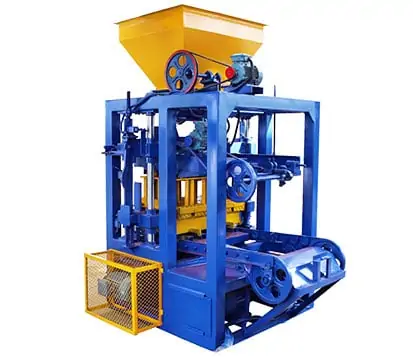
Wojin makes brick-making machines. These machines are for small businesses and large factories that create machine-made bricks.
The company has over 30 years of experience. It offers systems from standalone machines to complete AAC plants. This helps boost production capacity for projects of all sizes. Each machine line meets CE standards. The factory has ISO 9001 certification. This ensures consistent quality across all global installations.
Contact us today! Let’s talk about your brick production needs. We’ll help you find the right machine for your production capacity and project goals.