
Overview of the Block Manufacturing Business
Understanding the fundamentals of concrete block manufacturing is the essential first step when learning how to start a block machine business. Global construction relies heavily on precast concrete materials, creating a stable, high-demand industry for emerging enterprise owners.
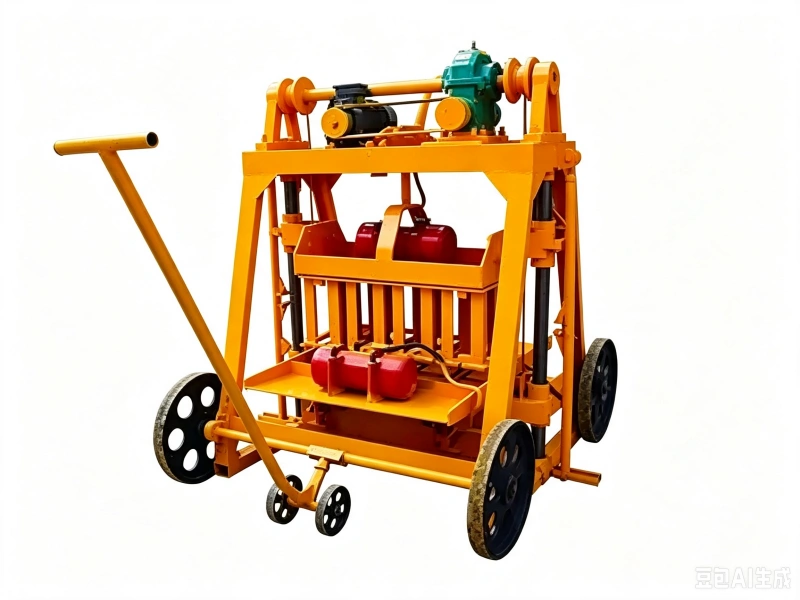
Market Demand and Industry Growth Potential
Global infrastructure development, rapid urbanization, and massive housing demands drive continuous growth in the precast concrete sector. Key drivers powering this market expansion include:
- Global Urbanization: Rapid expansion across emerging and established markets fuels continuous demand for resilient masonry materials.
- Government Housing Initiatives: Public sector mandates for affordable, mass-produced housing require steady supplies of low-cost, durable blocks.
- Sustainable Construction Trends: Increasing emphasis on green building standards boosts demand for insulated hollow blocks and eco-friendly concrete products.
Core Applications of Block Products
Precast concrete products perform essential functions across diverse residential, commercial, and municipal projects:
| Block Type | Primary Applications | Target Market |
|---|---|---|
| Hollow Blocks | Load-bearing exterior structures and interior partition walls | Residential & Commercial Builders |
| Solid Blocks | Heavy foundations, retaining walls, and structural civil projects | Industrial Infrastructure & Civil Contractors |
| Paving Blocks | Walkways, parking lots, driveways, and municipal landscaping | Paver Block Business & Municipal Planning |
| Interlocking Blocks | Mortarless wall systems, retaining walls, and erosion prevention | Specialized Civil & Landscaping Projects |
Key Advantages of Entering the Industry
Launching a precast block production business yields distinct economic and operational benefits:
- High Profit Margins: Abundant, low-cost raw materials combined with high construction demand ensure strong return on investment.
- Operational Scalability: Operations can launch with a foundational block molding machine and expand seamlessly to automated concrete production equipment.
- Localized Competitive Edge: Heavy concrete units incur high transport costs, giving local plants direct protection and market control in their regional radius.
- Versatile Manufacturing: Quick mold changes on a reliable hollow block making machine allow producers to instantly adapt to dynamic market trends.
Developing a Comprehensive Business Plan
A rock-solid block making business plan serves as your operational blueprint, mapping out everything from machinery investments to long-term profitability when learning how to start a block machine business.
Defining Your Target Market and Niche
Knowing who buys your products determines your machinery choices and production volumes. We specialize in manufacturing block machines that cater to diverse buyer segments across global construction markets:
- Commercial Contractors: Demand heavy volumes of standard load-bearing hollow and solid blocks for structural projects.
- Residential Builders: Require reliable cement blocks for wall partitions and home foundations.
- Landscapers & Municipalities: Focus on decorative paving, making a paver block business an ideal high-margin niche.
- Retail Hardware Dealers: Buy in bulk for consistent, local retail supply chains.
Estimating Startup Capital and Operational Costs
Calculating your initial capital requirements prevents cash flow bottlenecks before production begins. Startup expenses fall into two main categories:
| Expense Category | Key Components |
|---|---|
| Capital Expenditures (CapEx) | Site acquisition, land preparation, facility setup, and primary concrete production equipment. |
| Operational Expenses (OpEx) | Raw materials (cement, sand, aggregates), utilities, labor wages, and equipment maintenance reserves. |
Your initial machinery setup cost depends heavily on whether you select manual, semi-automatic, or fully automatic systems. Reviewing our concrete block machine price guide helps align your starting budget with equipment that fits your scale.
Revenue Modeling and Profit Margin Analysis
To build a sustainable enterprise, balance unit production costs against local market prices:
- Production Cost Breakdown: Raw materials account for roughly 60% to 70% of total unit costs, with labor and power making up the remainder.
- Profit Margins: High-volume concrete block manufacturing generally yields profit margins between 15% and 30%, depending on raw material sourcing efficiency.
- Payback Horizon: Well-managed block plants typically reach full break-even status within 12 to 18 months.
For exact financial modeling and payback timelines, reference our block machine ROI guide to project accurate cash flows.
Legal Setup, Permits, and Regulations
Registering Your Block Manufacturing Enterprise
Setting up a legitimate concrete block manufacturing operation requires establishing the right legal structure from day one. We recommend forming a Limited Liability Company (LLC) or corporate entity to protect personal assets from business liabilities.
- Business Registration: File your entity name with local state or national business registries.
- Tax Identification: Secure your federal tax ID (EIN) and register for local tax compliance.
- Commercial Banking: Open dedicated business banking accounts to separate personal funds and streamline financial tracking.
Obtaining Environmental, Zoning, and Safety Permits
Concrete production equipment produces noise, dust, and runoff. Getting early municipal clearance prevents costly shutdown orders.
- Zoning Approvals: Ensure your site is zoned for light or heavy industrial manufacturing.
- Environmental Clearances: Obtain air quality and dust suppression permits, along with proper wastewater management licenses.
- Safety & Building Permits: Review structural floor requirements before installing heavy machinery; check our small-scale block making machine guide to plan your facility layout according to local structural codes.
Insurance Coverage and Industry Standards Compliance
Protecting your equipment, workforce, and product reputation requires comprehensive coverage and strict adherence to manufacturing benchmarks.
| Requirement | Details & Purpose |
|---|---|
| General Liability | Covers third-party bodily injury and property damage on site. |
| Workers’ Compensation | Mandatory protection for crew operating heavy block molding machine gear. |
| Equipment Insurance | Guards against mechanical breakdown, fire, or theft of vital assets. |
| Quality Standards (ASTM/ISO) | Ensures hollow block and paver products meet minimum compressive strength standards. |
Selecting the Right Block Machine
Choosing the right block molding machine is the most critical technical decision when learning how to start a block machine business. Your choice dictates your plant’s daily output, labor costs, and long-term profit margins.
Comparing Manual, Semi-Automatic, and Automatic Machines
| Machine Type | Labor Requirement | Daily Output (Blocks/8hr) | Best For |
|---|---|---|---|
| Manual | High (5–8 workers) | 500 – 1,500 | Micro-scale operations, low initial capital |
| Semi-Automatic | Moderate (3–5 workers) | 2,000 – 5,000 | Growing mid-sized commercial producers |
| Fully Automatic | Low (1–3 workers) | 6,000 – 15,000+ | Large-scale concrete block manufacturing |
Investing in an automatic brick making machine drastically cuts labor overhead while maintaining precise dimensional accuracy and uniform strength across hollow blocks, pavers, and solid bricks.
Key Features to Evaluate: Production Capacity and Power
- Daily Output Requirements: Calculate targeted daily unit counts. Look at cycle times (e.g., 15–25 seconds) to ensure the unit matches your sales projections.
- Hydraulic & Vibration Force: Powerful hydraulic pressure and multi-directional vibration deliver high compaction density and maximum block durability.
- Mold Interchangeability: Choose machinery with fast mold-swapping capabilities to easily transition between standard hollow block making, interlocking bricks, and products for a paver block business.
- Power Requirements & Setup Cost: Verify local electrical grid capacity (three-phase power) and calculate complete concrete production equipment installation expenses before purchasing.
Choosing Reliable Equipment Manufacturers and Suppliers
Selecting equipment comes down to long-term reliability, quick access to spare parts, and on-site technical assistance. Partnering with a trusted block machine distributor guarantees proper installation, staff training, and minimal operational downtime as you scale.
Facility Setup and Raw Material Sourcing
Setting up an efficient factory layout and securing consistent raw materials are essential steps when learning how to start a block machine business. A smart layout minimizes handling costs, while a reliable supply chain keeps your profit margins strong in concrete block manufacturing.
Determining Site Location and Layout Requirements
Your production site needs clear functional zones to keep operations smooth from batching to curing.
- Land Size: Secure at least 1,000 to 3,000 square meters to accommodate equipment, curing yards, and inventory storage.
- Accessibility: Choose a site near major transportation routes so heavy trucks can deliver raw materials and collect finished products easily.
- Utilities: Ensure access to high-voltage industrial power and reliable water lines required for concrete batching.
- Zoning: Select industrial-zoned land to meet local environmental, dust, and noise regulations.
| Factory Zone | Recommended Area Share | Primary Function |
|---|---|---|
| Batching & Molding | 20% | Houses the block molding machine, mixer, and control panel. |
| Curing Yard | 40% | Staging area where fresh blocks gain strength under humidity. |
| Finished Stockyard | 30% | Stacking area for fully cured blocks ready for dispatch. |
| Raw Material Storage | 10% | Dedicated bays for sand, aggregates, and cement. |
Sourcing Sand, Cement, Aggregates, and Water
High-grade input materials directly determine block strength and market value. We negotiate bulk contracts with local quarries and suppliers to keep supply costs predictable. You can review our cement brick making machine raw materials guide for precise mix ratios and quality standards.
- Cement: Use Ordinary Portland Cement (OPC) or incorporate additives like fly ash for cost-effective fly ash brick machine production.
- Aggregates: Source clean crushed stone (0–10 mm) for strong structural density.
- Sand: Use sharp river sand or stone dust that is free from organic matter and clay impurities.
- Water: Use clean, potable water free from excess salts or chemical contaminants to ensure proper hydration.
Raw Material Storage and Inventory Management
Proper material management prevents contamination and keeps your concrete production equipment operating without unexpected downtime.
- Moisture Protection: Store bagged cement on raised wooden pallets inside dry sheds, or use sealed cement silos for automated operations.
- Aggregate Bins: Build concrete partitions to keep sand, stone dust, and gravel separate and clean.
- Stock Monitoring: Maintain a 7- to 14-day safety stock of raw materials using a First-In, First-Out (FIFO) inventory system to match daily production demands.
Production Operations and Quality Control
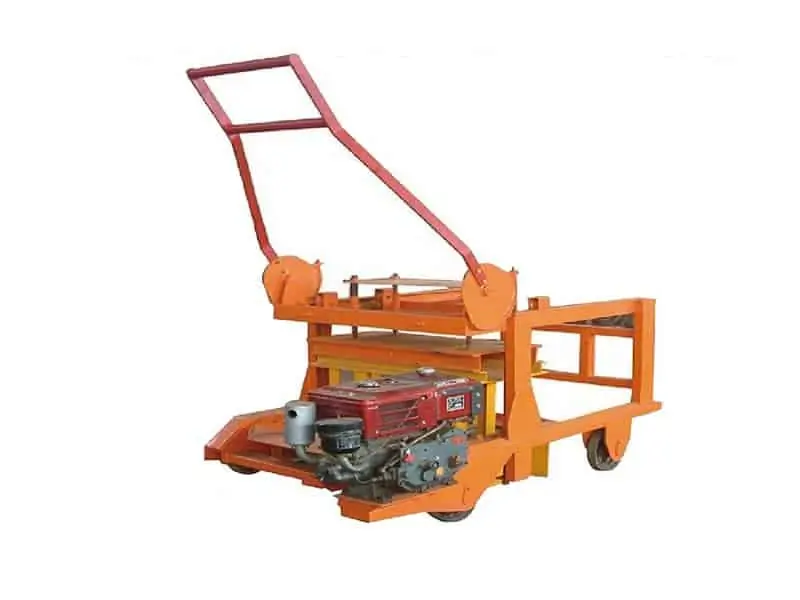
Running an efficient factory floor is the backbone of learning how to start a block machine business. Streamlined daily operations directly reduce material waste, protect equipment lifespan, and guarantee that every batch meets strict local building codes.
Step-by-Step Block Manufacturing Workflow
Consistent concrete block manufacturing relies on a standardized, highly repeatable production cycle:
- Raw Material Batching & Mixing: Combine cement, sand, gravel, and water precisely using an automated batcher. Keeping exact moisture ratios controls how much it costs to make a concrete block while protecting unit integrity.
- Molding & Vibration Compaction: Feed the concrete mix directly into your block molding machine. High-frequency vibration paired with hydraulic pressure molds uniform units inside the hollow block making machine or cement brick machine.
- Initial Setting & Curing: Move wet units onto curing racks. Allow 24 to 48 hours of initial curing, followed by 14 to 28 days of water spraying or steam curing to reach full load-bearing strength.
- Yard Stacking & Distribution: Transport cured blocks to the storage yard using specialized block clamps or forklifts, ready for delivery to construction sites.
Quality Testing for Block Strength and Durability
Major contractors and structural engineers demand proven performance. Regular quality control keeps your production batch-compliant and protects your market reputation:
- Compressive Strength Testing: Crush sample blocks using a hydraulic testing machine to verify load-bearing capacity before shipping.
- Water Absorption Checks: Measure dry and fully soaked block weights to keep moisture absorption under 10%, preventing weather damage over time.
- Dimensional Precision: Inspect length, height, and wall thickness so blocks interlock cleanly on site without extra mortar.
Machinery Maintenance and Operational Safety
Maintaining heavy concrete production equipment prevents sudden downtime and ensures a safe workplace for your operators.
| Maintenance Focus | Action Items | Schedule |
|---|---|---|
| System Washdown | Clean mold cavities, hoppers, and mixer drums thoroughly before concrete sets. | End of every shift |
| Mechanical Lubrication | Grease main shaft bearings, vibration units, and hydraulic guide pillars. | Daily |
| Hydraulic Systems | Inspect hose connections for leaks, monitor fluid temperatures, and check oil filters. | Weekly |
| Plant Floor Safety | Enforce mandatory safety gear (steel-toe boots, respirators, eye protection) and lock-out procedures. | Continuous |
Marketing Strategy and Business Growth
Knowing how to start a block machine business is only half the battle; real long-term profit comes from selling inventory faster than you produce it. We focus on building direct trade channels, maintaining strong market visibility, and scaling plant output efficiently.
Building Partnerships with Local Construction Firms
Direct trade contracts create stable, recurring cash flow for any concrete block manufacturing operation.
- Contractor Outreach: Connect directly with residential builders, masonry crews, and commercial general contractors in your delivery radius.
- Certified Quality Samples: Supply lab-tested compressive strength reports alongside free block samples to build initial trust.
- Volume Pricing & Credit: Offer volume-based tiered pricing and standard 30-day payment terms for verified high-volume buyers.
Effective Local and Online Marketing Channels
A mix of physical visibility and digital marketing keeps your order pipeline full for both small residential builds and large infrastructure jobs.
- Job-Site Signage: Place bold, weather-resistant branded banners at major construction sites where your materials are being delivered.
- Digital Showcase: Keep a clean online catalog displaying plant capacity, block specs, and inventory levels. Review full machinery lines and site configurations across our concrete production equipment to highlight your factory’s production standards to clients.
- Local Search Optimization: Set up and manage a localized business profile to capture nearby contractor searches for hollow blocks, curb bricks, and masonry supplies.
Scaling Production and Diversifying Product Offerings
As primary machine capacity peaks, expanding into high-margin niches like a paver block business maximizes facility profitability.
| Growth Phase | Target Products | Production Strategy |
|---|---|---|
| Phase 1: Launch | Standard Hollow & Solid Blocks | Maximize single-shift output on primary mold sets |
| Phase 2: Product Expansion | Interlocking Pavers & Curbstones | Swap mold attachments or review our interlock brick making machine guide for setup specs |
| Phase 3: High Automation | Fly Ash Bricks & Custom Units | Add automated material batching systems and automatic block stackers |
Diversifying product offerings allows your operation to pivot smoothly between municipal infrastructure projects, commercial masonry, and decorative landscaping demands.