
What is a Hollow Block Making Machine?
A hollow block making machine is heavy-duty industrial equipment engineered to compact raw materials—such as cement, sand, gravel, and fly ash—into high-strength hollow concrete blocks using hydraulic pressure and high-frequency vibration. We specialize in manufacturing hollow block making machines that deliver uniform density, precise dimensions, and maximum output for the global building and construction industry.
Key Components and Technical Parameters
A modern hollow block machine integrates core mechanical, hydraulic, and automated systems to ensure continuous production and consistent block quality.
| System / Parameter | Function & Technical Specification |
|---|---|
| PLC Control Unit | Automated operation panel with real-time diagnostic tracking |
| Hydraulic System | Delivers 15–25 MPa forming pressure for dense compaction |
| Vibration Table | High-frequency vertical vibration for air bubble elimination |
| Mould Assembly | Wear-resistant alloy steel moulds treated with heat processing |
| Forming Cycle Time | 15–25 seconds per mould drop |
| Raw Material Compatibility | Sand, gravel, cement, slag, fly ash, and gangue |
Benefits of Concrete Hollow Block Production
Concrete hollow blocks offer superior structural and commercial advantages over traditional solid clay bricks:
- Lower Material Costs: The hollow cavity design significantly reduces concrete consumption without compromising load-bearing strength.
- Thermal and Acoustic Insulation: Trapped air inside the block cavities acts as a natural barrier against heat transfer and exterior noise.
- Reduced Structural Weight: Lighter block weight lowers dead load on building foundations and cuts overall transport expenses.
- Faster Construction Speed: Uniform size and larger block dimensions accelerate wall laying and lower labor hours on-site.
- Sustainable Manufacturing: Enables eco-friendly recycling of industrial waste materials like slag and fly ash.
How Does a Hollow Block Making Machine Work?
Understanding how a hollow block making machine transforms raw aggregates into high-strength building materials helps you optimize your entire production line. The process relies on precise timing, uniform compaction, and controlled curing to deliver durable concrete blocks.
Raw Material Batching and Mixing
The manufacturing process starts with precise proportioning. We batch crushed stone, sand, fly ash, slag, and cement according to specific recipe requirements. Getting the correct water-to-cement ratio ensures structural integrity.
- Batching: Automated hoppers weigh sand, gravel, and cement to maintain exact consistency across batches.
- Mixing: Twin-shaft or planetary mixers thoroughly blend the dry aggregates with water, producing a uniform, semi-dry concrete mix. Choosing the right cement brick making machine raw materials ensures maximum strength and minimal material waste.
Vibration and Hydraulic Pressure Molding
Once mixed, the concrete feeds directly into the machine’s feeder box and mold cavity.
- Feeder Box Distribution: A rotating rake distributes the moist aggregate evenly into the mold box.
- Dual Compaction: High-frequency vertical vibration combined with powerful hydraulic pressure compresses the material, driving out air pockets.
- High Density: This dual-action compression ensures every block achieves optimal load-bearing strength and exact dimensions. Mastering this stage is essential for overall efficiency—explore our detailed guide on concrete block machine operation to learn more about optimizing mold cycles.
Demolding and Block Curing Process
After compaction, the machine immediately strips the mold while maintaining the block’s structural shape.
| Stage | Key Action | Primary Purpose |
|---|---|---|
| Demolding | Hydraulic cylinders lift the mold cavity upward while the head plunger pushes fresh blocks down onto pallets. | Leaves wet blocks standing firmly on pallets without collapse. |
| Transport | Automatic block stackers or pallet conveyors transfer green blocks to the curing zone. | Prevents mechanical damage to fresh, unset concrete. |
| Curing | Water spraying or steam curing for 24 to 48 hours (reaching full strength in 28 days). | Hydrates cement to reach maximum compressive performance. |
- Main Types of Hollow Block Making Machines
Choosing the right hollow block making machine depends on your daily production targets, labor availability, and site setup. We specialize in manufacturing hollow block making machine options tailored for small startups and industrial-scale block manufacturers alike.
Fully Automatic Hollow Block Machine
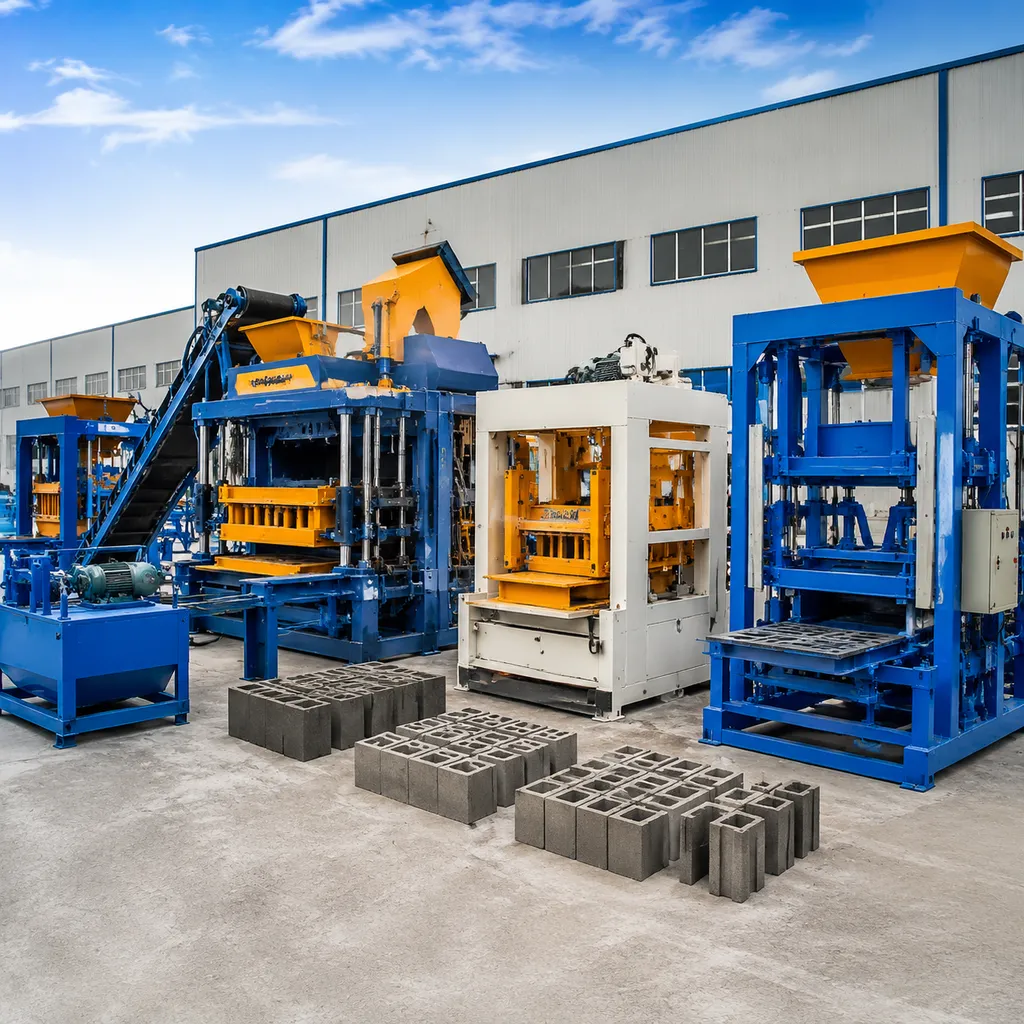
For high-volume production, an automatic hollow block machine offers peak efficiency and consistency. Fully automated plants integrate raw material batching, mixing, hydraulic molding, and automatic pallet stacking through an intelligent PLC control unit.
- Key Features: Programmable PLC controls, minimal manual labor, fast cycle times, and maximum block density uniformity.
- Best Suited For: Medium to large commercial block plants and regional building material suppliers.
Semi-Automatic Hollow Block Machine
A semi-automatic block machine provides an ideal balance between automation and capital investment. Operators manage basic material feeding and pallet transfer, while the hydraulic and vibration systems handle the heavy lifting to mold high-strength concrete blocks.
- Key Features: Lower initial investment, simple push-button or lever controls, durable hydraulic design, and easy maintenance.
- Best Suited For: Growing block yards and regional construction contracts.
Manual and Hydraulic Hollow Block Machine
Designed for budget-conscious producers and remote sites, manual and simple hydraulic block machines deliver dependable performance with straightforward mechanical operations.
- Key Features: Low setup costs, compact footprint, low power consumption, and rugged structural frames.
- Best Suited For: Small business startups, rural construction projects, and low-volume block yards.
Mobile Egg Laying Block Machine
Mobile block machines maneuver directly across a flat concrete yard, molding and depositing finished blocks directly on the floor as they advance.
- Key Features: Eliminates the need for wooden or plastic pallets, saves on pallet investment costs, and relocates easily between jobsites.
- Best Suited For: On-site contractor manufacturing and mobile block production setups.
Key Features and Performance Advantages
We specialize in manufacturing hollow block making machine units built to streamline production lines, lower operating costs, and boost overall daily output.
High Production Capacity and Efficiency
Our modern hollow block equipment relies on short molding cycles and automated vibration-hydraulic compaction to ensure high-volume output without compromising structural strength.
| Performance Metric | Standard Semi-Auto | High-Efficiency Automatic |
|---|---|---|
| Molding Cycle Time | 20 – 25 seconds | 15 – 20 seconds |
| Daily Output (8h Shift) | 4,000 – 6,000 blocks | 8,000 – 12,000+ blocks |
| Control System | Manual / Semi-PLC | Full Siemens PLC Touchscreen |
| Pallet Feeding | Semi-Automatic | Fully Automated System |
- Fast Cycle Times: Optimized hydraulic systems accelerate pressure and vibration cycles for higher hourly yields.
- Uniform Density: Dual-vibration technology creates high-density blocks with superior load-bearing capabilities.
Energy-Saving and Eco-Friendly Operation
Energy efficiency sits at the core of our machine designs. By integrating frequency-conversion technology, energy consumption drops significantly during idling and low-pressure molding phases.
- Sustainable Raw Material Utilization: Efficiently processes industrial waste like slag, fly ash, quarry dust, and recycled concrete into eco-friendly building products for diverse construction applications.
- Optimized Power Draw: High-torque, variable-frequency motors minimize electricity consumption while delivering peak compaction force.
Durable Structure and Low Maintenance
Built for continuous duty, every machine features heavy-duty structural steel and wear-resistant components engineered for harsh job site environments. Discover our commitment to quality and see how we engineer machinery for minimal long-term downtime.
- Heavy-Duty Frame: Thicker steel welding prevents frame warping under high hydraulic pressures.
- Heat-Treated Molds: Carburized mold cavities resist abrasive raw materials, extending service life beyond 100,000 cycles.
- Simplified Servicing: Modular hydraulic valves and international-standard electrical parts simplify daily inspections and lower routine maintenance costs.
Common Applications of Concrete Hollow Blocks
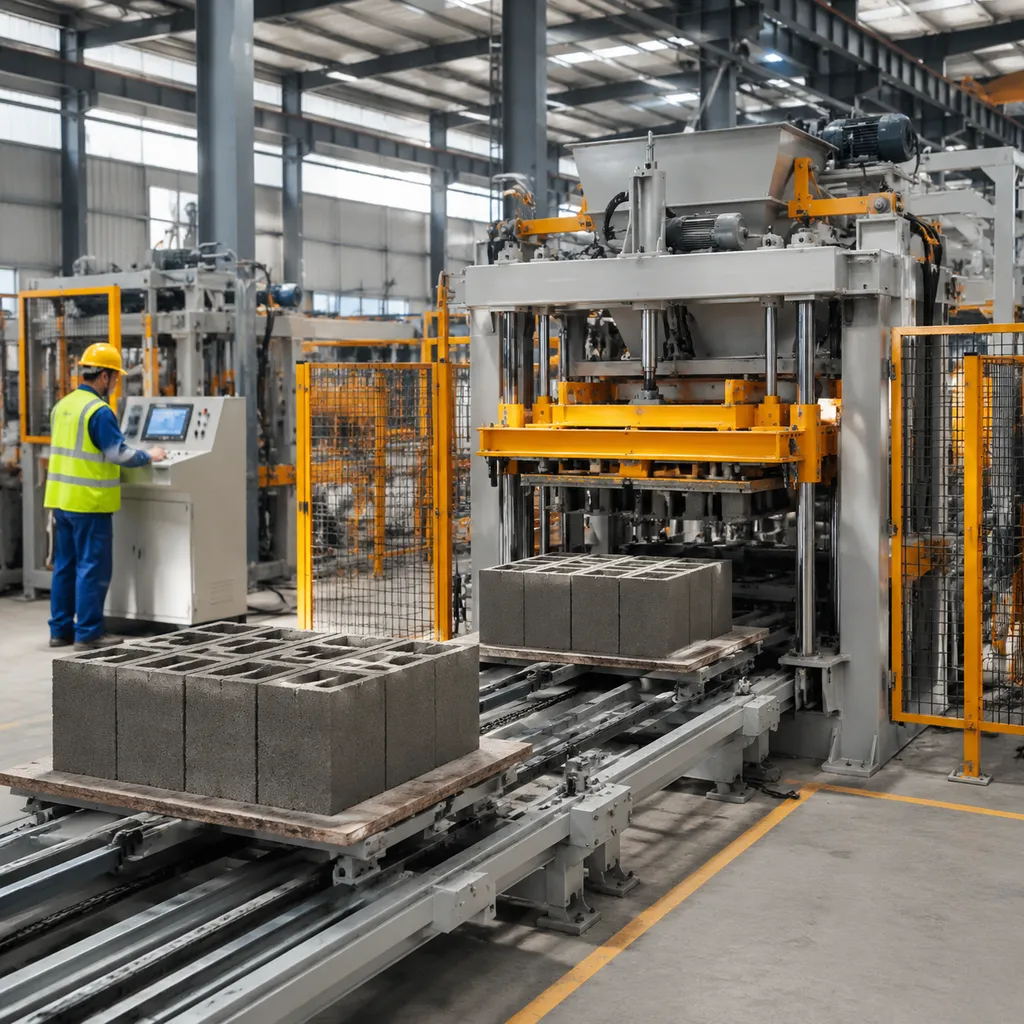
Concrete hollow blocks produced by a high-performance hollow block making machine serve as foundational building components across the global construction sector. Their structural integrity, lightweight design, and superior thermal properties make them an essential choice for modern building projects.
Residential and Commercial Building Construction
In general building construction, concrete hollow blocks deliver high structural strength and natural thermal efficiency:
- Load-Bearing and Partition Walls: Reduces structural dead weight while ensuring full support for multi-story framing.
- Thermal and Acoustic Insulation: Air cavities inside the blocks create a natural barrier, reducing sound transmission and indoor HVAC energy costs.
- Efficient Masonry: Uniform block geometry speeds up laying time and drastically reduces mortar consumption on-site.
Utilizing our versatile concrete block machine solutions ensures every block meets strict dimensional tolerances for rapid site assembly.
Boundary Walls and Perimeter Fencing
Commercial developers and residential contractors rely on hollow blocks to construct fast, robust perimeter walls:
- Rapid Installation: Larger unit sizes cover extensive wall areas quickly, lowering total project labor costs.
- Reinforcement Capability: Hollow cores allow easy insertion of steel rebar and concrete grout for high-wind structural stability.
- Weather Durability: High-density block compositions resist extreme weather conditions, moisture penetration, and physical impact.
Infrastructure and Landscaping Projects
Beyond structural walls, hollow blocks play a critical role in civil infrastructure and specialized outdoor landscaping:
- Retaining Walls and Terracing: Prevents soil erosion and provides structural support for slope stabilization and embankment engineering.
- Drainage and Utility Channels: Hollow cores assist with integrated site drainage systems and subterranean utility routing.
- Highway Noise Barriers: Heavy-duty block layouts effectively douse and absorb traffic sound along major transport corridors.
Our specialized cement brick making machine units allow manufacturers to adapt mold setups quickly, producing blocks tailored precisely to municipal and commercial specifications.
Hollow Block Making Machine Price and Cost Factors
When evaluating a hollow block making machine price, looking beyond the initial sticker price is essential. The total investment depends on your production targets, labor requirements, and overall operational setup. We specialize in manufacturing hollow block making machine solutions tailored to meet diverse global market budgets and project demands.
Automation Level and Output Capacity
Automation directly impacts equipment costs and labor efficiency:
- Manual & Small Hydraulic Machines: Lowest upfront cost, ideal for startup projects producing 1,000 to 3,000 blocks per day.
- Semi-Automatic Machines: A balanced option for growing businesses, producing 4,000 to 8,000 blocks daily with reduced manual handling.
- Fully Automatic Machines: Higher initial investment featuring PLC control systems, producing over 10,000 units daily while minimizing ongoing labor costs.
Mould Customization and Machinery Upgrades
Tailoring your equipment to local market demands affects overall machinery costs:
- Custom Mould Designs: Specialized block dimensions, interlocking patterns, or paver moulds require custom precision manufacturing.
- Component Upgrades: High-frequency vibration motors, heavy-duty hydraulic valves, and wear-resistant steel frames increase durability and output quality.
- System Expansion: Integrating batching plants, cement silos, or automatic pallet stackers expands capabilities and streamlines production workflow.
Shipping, Installation, and Operating Expenses
Factoring in landed costs ensures an accurate project budget:
- Freight & Logistics: Ocean shipping, customs duties, and local heavy-equipment transportation vary by destination port.
- Installation & Commissioning: Site preparation, foundation layout, and on-site engineering support for setup and operator training.
- Ongoing Operational Costs: Energy consumption, routine maintenance, and quality concrete production materials directly determine long-term operating profitability.
How to Choose the Right Hollow Block Machine
Selecting the right equipment directly impacts your factory’s profitability, output capacity, and operational efficiency. We recommend evaluating these essential criteria before making your investment decision.
Evaluating Production Needs and Budget
Start by calculating your required daily block yield and matching it against your capital investment. Factor in local labor costs, factory space, and raw material supply before choosing your machinery.
| Selection Factor | Small-Scale / Entry Level | Medium to Large Commercial |
|---|---|---|
| Daily Output Target | 1,000 – 4,000 blocks | 6,000 – 15,000+ blocks |
| Automation Level | Manual / Mobile / Semi-Auto | Fully Automatic PLC-Controlled |
| Recommended Setup | Compact hollow block making machine | High-capacity stationary production line |
Assessing Hydraulic System and Build Quality
The durability of your machine depends on its core structural components and hydraulic design:
- Hydraulic Pressure: High-pressure hydraulic systems deliver superior block density, sharp edges, and fast molding cycles.
- Vibration Technology: Synchronized multi-source vibration ensures dense compaction and uniform raw material distribution in every mold.
- Frame & Mold Strength: Structural steel frames and heat-treated, carbon-carburized molds resist wear and prolong service life.
Checking Supplier Warranty and After-Sales Support
A machine is only as reliable as the service backing it up. Partner with an experienced manufacturer that delivers complete lifecycle support:
- Clear Warranty Coverage: Ensure at least 12 months of coverage on major hydraulic and mechanical components.
- Spare Parts Inventory: Verify that wear parts, seals, and replacement molds are readily available for fast dispatch.
- Technical Assistance: Work with suppliers offering installation guidance, operator training, and ongoing technical service.
Frequently Asked Questions
What raw materials are required for hollow block production?
To produce durable concrete blocks using a hollow block making machine, you need a well-proportioned mixture of basic construction aggregates and binders:
- Portland Cement: Acts as the main binding agent for the structural matrix.
- Fine & Coarse Aggregates: Sand, gravel, or crushed stone (typically under 10 mm in size).
- Water: Clean water to activate the cement hydration process.
- Additives (Optional): Fly ash, slag, or quarry dust to reduce material costs and improve block density.
What is the daily output capacity of a hollow block machine?
Daily production capacity varies based on the automation level of your machine and your operational shifts (calculated on a standard 8-hour shift):
- Manual / Portable Machines: 800 to 2,000 blocks per day.
- Semi-Automatic Machines: 3,000 to 7,000 blocks per day.
- Fully Automatic Hydraulic Lines: 8,000 to over 20,000 blocks per day.
How long does it take to cure concrete hollow blocks?
Curing time depends directly on the curing method applied after demolding:
- Natural Water Curing: Blocks require initial drying for 24 hours, followed by 14 to 28 days of consistent water misting to reach maximum compressive strength.
- Steam Curing: High-temperature steam chambers accelerate the process, bringing blocks to full strength in just 12 to 24 hours for rapid delivery.