
Understanding Cement Block Machines for African Startups
To start a concrete block production business in emerging African markets, you need reliable, durable, and affordable machinery. Choosing the right cement block machine for beginners in Africa is key. It should meet local building standards. It must handle tough aggregate conditions and work well despite regional infrastructure challenges.
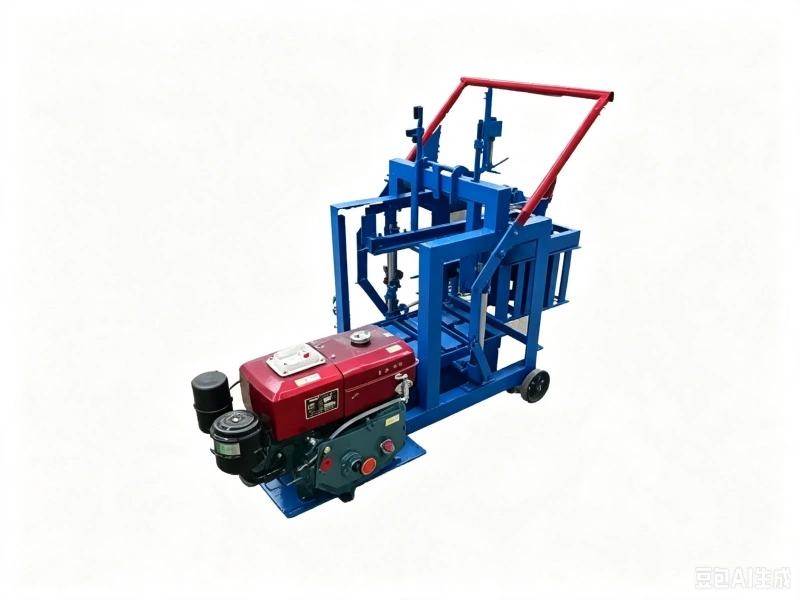
What Is a Cement Block Machine and How Does It Work?
A cement block machine presses a mix of cement, sand, quarry dust, gravel, and water. It makes standardized hollow blocks, solid bricks, or interlocking paving stones.
The standard operating cycle follows direct, repeatable phases:
- Material Feeding: The prepared concrete mix is loaded into the machine’s mold box.
- Vibration & Compaction: Mechanical vibration combined with hydraulic or manual pressure eliminates air pockets and packs the aggregate tightly.
- De-molding: The formed wet blocks are pushed out of the mold onto wooden or PVC production pallets, or deposited directly onto a concrete slab floor.
- Curing: Newly formed units undergo water curing to attain their design compressive strength.
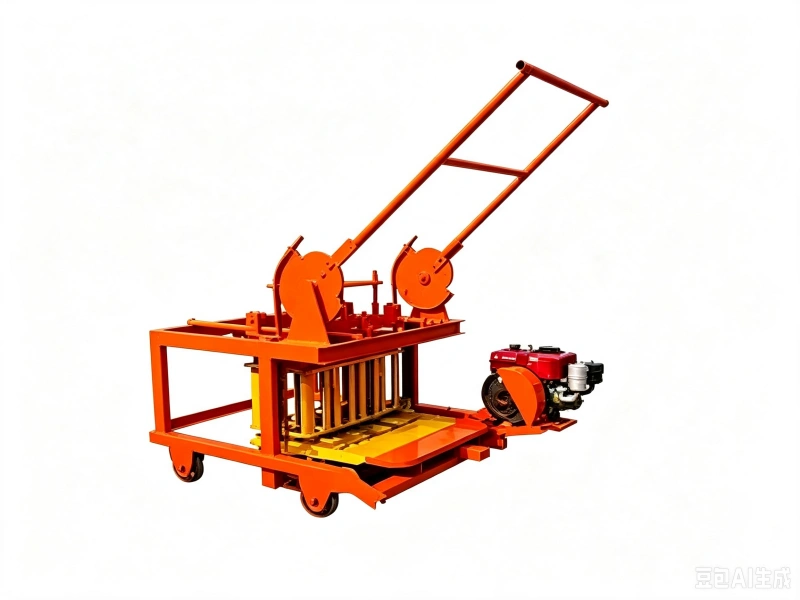
Why Cement Block Manufacturing Is a Lucrative Business in Africa
The demand for durable, affordable building materials continues to rise across urban hubs and developing rural corridors.
Key advantages for starter operations include:
- High Commercial Demand: Constant housing growth, wall construction, and new commercial sites drive local need for standard 4″, 6″, and 8″ hollow blocks.
- Quick Cash Flow: Small block plants turn raw materials into sellable goods in 7 to 28 days. This process quickly returns working capital.
- Local Raw Material Compatibility: Starter equipment can easily handle local river sand, volcanic ash, crushed stone dust, and fly ash. This keeps supply chains short and simple.
- Scalable Production: Startups can begin with small equipment. They can easily increase daily production as their market share grows.
Key Challenges Beginners Face and How to Overcome Them
Starting a hollow block production yard comes with specific regional hurdles that require proactive technical choices:
- Unstable Power Supply: Grid failures can halt production.
- Solution: Use diesel-powered block machines or set up backup diesel generators. This keeps shifts running smoothly.
- High Pallet Capital Costs: Traditional machines need many wooden or composite pallets.
- Solution: Beginners can use mobile “egg-laying” machines. These machines drop blocks straight onto concrete slabs. This method cuts out the need to buy pallets, saving money.
- Mold Wear from Abrasive Materials: Coarse river sand and hard quarry dust accelerate mold degradation.
- Solution: Use high-strength, carbonized, and heat-treated steel molds. Grades like Q235 or Q345 offer the best wear resistance.
- Technical Maintenance and Operator Skill: Complex computerized PLC systems can lead to prolonged downtime if local technicians are unavailable.
- Solution: Pick easy semi-automatic or manual lever machines. Use standard parts that any local mechanic can fix.
Types of Cement Block Machines for Beginners
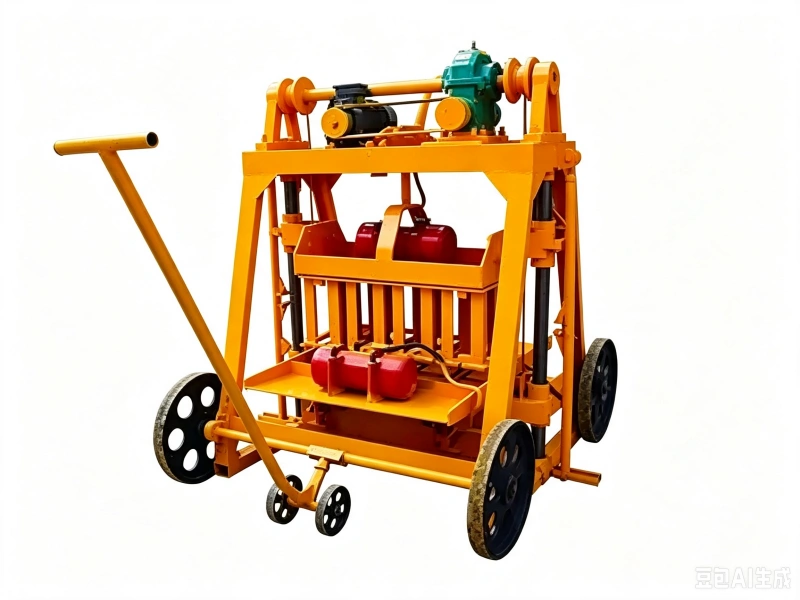
Choosing the right starter equipment is the single most important decision for your new block yard. When choosing a cement block machine for beginners in Africa, we highlight three main types. These machines fit local power needs, production goals, and startup budgets.
Manual Block Machines: Low Cost and Simple Operation
For entrepreneurs starting a business with limited funds, a manual brick maker is the easiest option. These hand-press units need no electricity or diesel fuel. This makes them perfect for rural building sites and remote areas.
- Zero Energy Costs: Completely hand-operated using mechanical leverage for compaction.
- Low Initial Investment: Extremely affordable upfront cost with almost zero routine maintenance expenses.
- Target Application: Ideal for custom DIY builds, rural home construction, and small-scale hollow block production.
- Labor Requirement: Requires 2 to 3 workers to load aggregate, compress the lever, and demold manually.
Semi-Automatic Block Machines: Balancing Output and Price
For higher daily production and even block density without breaking the bank, a semi-automatic brick making unit is the way to go. These machines use electric vibration motors and manual or basic hydraulic levers. They compact concrete to ensure high structural integrity.
- Consistent Product Quality: Delivers uniform compressive strength, making blocks easier to sell to commercial contractors.
- Mold Versatility: Easily switch molds to produce standard 4-inch, 6-inch, or 8-inch hollow blocks, solid bricks, and interlocking pavers.
- Scalable Output: Perfect for expanding your small scale manufacturing footprint while keeping labor efficient. You can review detailed output numbers in our guide to concrete block machine types and ROI.
Diesel-Powered Mobile Block Machines for Remote Areas
Unstable grid power is a daily reality across many African regions. Diesel-powered mobile “egg-laying” block machines fix this issue. They work right on a flat concrete slab. This means they don’t need hundreds of wooden or PVC production pallets.
- Pallet-Free Production: The machine moves forward along the slab, dropping formed blocks directly onto the ground to cure.
- Independent Power: Driven by a rugged, easy-to-service single-cylinder diesel engine that runs anywhere.
- High Mobility: Easy to transport directly to project sites, roadwork projects, or new construction zones.
- Proven Selection: Check our curated list of the top cement block machines for sale in Africa to match specific diesel models with your local yard layout.
Key Features to Look for When Choosing Your First Machine
Choosing the best cement block machine for beginners in Africa means balancing your budget with its long-term reliability. When evaluating entry level equipment, focus on functional performance rather than unnecessary automation.
Production Capacity and Daily Output Requirements
Your daily production capacity should match local demand and fit your curing yard size. For a new block yard, overestimating demand ties up cash. Underestimating it means lost sales.
- Starter Output Target: A baseline output of 800 to 2,000 standard hollow blocks per 8-hour shift satisfies most neighborhood construction demands.
- Molding Flexibility: Ensure the equipment accommodates multi-cavity molds for 4-inch, 6-inch, and 9-inch hollow blocks, as well as solid bricks and paving stones.
- Pallet Dimensions: If selecting stationary units, verify standard pallet size requirements to keep timber or PVC pallet replacement costs manageable.
For a deeper breakdown of mold specs and output ratios, check our hollow block making machine guide.
Power Source Options: Electric, Diesel, or Manual
Unreliable electrical grids in many African regions make power configuration a critical deciding factor. Matching your drive system to local energy availability prevents costly operational downtime.
| Power Type | Best Suited For | Operational Pros | Key Consideration |
|---|---|---|---|
| Diesel Engine | Off-grid yards & semi-rural areas | Independent of grid outages; mobile operation | Requires regular fuel and oil filter upkeep |
| 3-Phase Electric | Established industrial zones | Consistent vibration frequency; lower running cost | Vulnerable to load shedding without a backup generator |
| Manual / Hand-Press | Remote or low-budget sites | Zero energy costs; simple mechanical levers | Limited daily output; physically labor-intensive |
Durability and Ease of Maintenance in Local Conditions
Harsh environmental conditions, high ambient temperatures, and abrasive local aggregates (such as quarry dust and coarse river sand) quickly wear down low-grade equipment.
- High-Grade Steel Construction: Prioritize frames built from thickened structural steel to withstand continuous mechanical vibration without cracking.
- Heat-Treated Wear Parts: Molds and tamper heads must undergo carbonizing and heat treatment to resist abrasion from sharp sand mixes.
- Readily Available Spares: Look for standard mechanical linkages, generic hydraulic seals, and universal bearings that can be serviced locally without specialized technicians.
- Simplified Controls: Choose simple lever or push-button controls over complex microprocessors that struggle in dusty, humid environments.
To evaluate equipment specs against total setup expenses, review our detailed concrete block machine price and features guide.
Top Recommended Cement Block Machines for Beginners in Africa
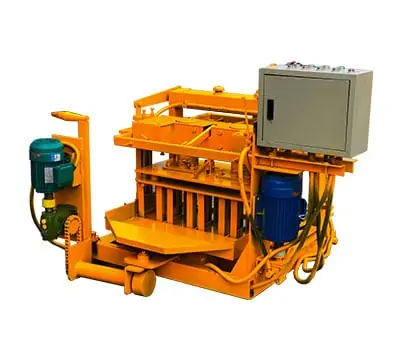
To choose the best cement block machine for beginners in Africa, consider these factors:
- Your working capital
- Site infrastructure
- Local market demand
Three equipment categories provide the best returns for new entrepreneurs in Africa. These categories are based on actual performance in local conditions.
Egg-Laying Mobile Machines (e.g., QM4-45 Diesel Series)
Mobile “egg-laying” block machines are the best starter choice. They help you avoid the ongoing costs of wooden or composite production pallets. These machines roll over a flat concrete slab. They drop hollow blocks onto the floor as they move forward.
- Pallet-Free Operation: Eliminating pallets cuts initial capital requirements significantly, leaving more cash flow for raw materials.
- Diesel Engine Independence: Fitted with single-cylinder diesel engines, units like the QM4-45 operate without relying on unstable electrical grids.
- High Daily Output: Capable of producing 800 to 1,200 standard 6-inch hollow blocks per shift with a small crew of three to four operators.
For startup yards focusing strictly on volume hollow block production on a budget, sourcing from reputable egg-laying block machine suppliers gives you reliable, low-maintenance mechanical compaction without complicated electronics.
Small Stationed Stationary Machines (e.g., QT4-40 Series)
If your market needs sharp-edged, high-density blocks and interlocking pavers, the QT4-40 semi-automatic machine is a great choice. It offers strong compaction and product versatility. Stationary units compress the concrete mix using synchronized vertical vibration and mechanical or hydraulic pressure onto production pallets.
- Product Versatility: Quick-change carbonized molds allow you to produce 4-inch, 6-inch, and 8-inch hollow blocks, solid bricks, and heavy-duty cabro pavers on the same chassis.
- Dimensional Accuracy: Controlled pallet vibration ensures uniform height and sharp corners, meeting structural standards required by commercial contractors.
- Modular Upgradability: You can start with manual batch loading and later add a pan mixer and belt conveyor as revenue grows.
When comparing production capacity versus initial outlay, reviewing proven QT concrete block making machines helps you gauge exact pallet sizes and cycle times for stationary setups.
Interlocking Soil-Cement and Clay Block Machines
Interlocking block presses work well for rural and peri-urban projects. This is especially true where transporting sand and cement is costly. These machines use a dry-press method. They compress local subsoil mixed with 5% to 10% cement or lime.
- Low Raw Material Costs: Maximizes the use of locally excavated soil or quarry dust, reducing reliance on expensive river sand.
- Mortarless Construction: The tongue-and-groove interlocking profile eliminates mortar between vertical joints during wall building, offering a compelling selling point to local homebuilders.
- Off-Grid Flexibility: Available in manual hand-lever configurations or small diesel hydraulic models that require zero electricity to run continuously.
Cost Analysis and Budgeting for Your Block Making Business
Starting a concrete block yard needs a clear financial plan before you move your first batch of aggregate. Choosing the best cement block machine for beginners in Africa means balancing your initial costs with daily expenses. When we assist entrepreneurs with their initial budgets, we divide the figures into two main groups: acquisition costs and ongoing operational cash flow.
Initial Machine Purchase and Shipping Costs
The initial equipment cost depends on whether you opt for a manual press, an egg-laying unit, or a stationary vibratory machine. However, the machine sticker price is only part of the landed expenditure.
To plan your capital expenditure accurately, budget for these essential upfront components:
- Equipment Base Price: Entry-level units range from compact manual presses to entry-level hydraulic setups. You can review detailed budget tiers in our small scale block making machine guide and price breakdown.
- Ocean Freight and Port Clearance: Shipping from manufacturing hubs to African ports (such as Mombasa, Tema, Lagos, or Dar es Salaam) requires budgeting for container space, clearing agent fees, import tariffs, and local port handling charges. Reviewing our block machine China to Africa import guide helps prevent unexpected customs delays or demurrage costs.
- Auxiliary Gear and Pallets: If you select a stationary press rather than a mobile egg-layer, you must factor in 500 to 1,500 wooden or composite production pallets to keep daily hollow block production moving.
- Site Preparation: Budget for leveling the ground, laying a basic concrete slab for curing, and securing a clean water storage tank on site.
Raw Material and Operational Expenses
Your daily production costs determine your cash flow speed and profit margins. Raw materials consume roughly 70% to 80% of daily working capital, making local supplier management crucial from day one.
| Expense Category | Key Factors | Cost Optimization Tip |
|---|---|---|
| Cement | Ordinary Portland Cement (OPC 32.5R or 42.5N) | Buy directly from regional distributors in bulk rather than retail hardware stores. |
| Aggregates & Sand | Quarry dust, river sand, volcanic ash, or 6mm stone chips | Source by full tipper-truck loads directly from local quarries to lower transport surcharges. |
| Energy & Fuel | Diesel for engines/generators or commercial electricity | Regularly service diesel injectors to maintain optimal fuel efficiency during production cycles. |
| Labor & Water | Mixers, machine operators, block stackers, and curing crew | Use a piece-rate payment model per approved, undamaged block to align labor costs with output. |
Controlling these recurring variables ensures your yard reaches profitability within its first three to six months of regular operation.
Step-by-Step Guide to Buying and Operating Your First Machine
Launching a block yard requires a practical roadmap to avoid common operational bottlenecks. Setting up the best cement block machine for beginners in Africa involves careful equipment procurement, proper site planning, and disciplined daily production routines.
Selecting the Right Supplier and Ensuring Spare Parts Availability
Choosing the right equipment manufacturer is critical to your long-term success. Focus on build quality, structural steel grade, and the availability of replacement parts before placing an order.
- Heavy-Duty Construction: Look for machines built with reinforced Q235 or Q345 steel frames and carbonized, heat-treated molds that resist abrasive local aggregates.
- Standardized Components: Ensure standard hydraulic seals, belts, and vibration motors can be serviced or replaced locally without long import delays.
- Supplier Support: Work directly with manufacturers who provide complete commissioning guides, wiring diagrams, and direct technical support for off-grid power setups.
Setting Up Your Production Site and Material Sourcing
A well-organized yard layout streamlines material handling and keeps daily production flowing efficiently.
- Site Preparation: Level your ground thoroughly. If operating an egg-laying machine, lay a smooth concrete slab for block dropping. For stationary units, prepare a shaded stacking and curing yard with reliable drainage.
- Water & Power Access: Secure a dependable water connection for aggregate mixing and block curing. If grid electricity is unstable, position your diesel generator close to the main power panel to prevent voltage drops.
- Material Sourcing: Secure steady local supplies of river sand, quarry dust, crushed stone, and cement. Refer to our comprehensive cement brick making machine raw materials guide to optimize aggregate ratios for maximum block strength and lower cement costs.
Best Practices for Machine Operation and Quality Control
Consistent operation and diligent maintenance protect your initial investment and guarantee standard-compliant compressive strength for every batch.
- Uniform Mold Feeding: Distribute the concrete mix evenly across the mold box before applying vibration to eliminate air pockets and weak corners.
- Daily Cleaning Routine: Wash down mixer blades and clean leftover concrete from mold cavities at the end of every shift to prevent aggregate buildup.
- Proper Curing Management: Keep newly demolded blocks shaded from direct, harsh sunlight and spray them with water twice daily for at least 7 to 14 days.
- Preventive Servicing: Follow routine maintenance tips to extend your cement block machine life, including daily greasing of guide columns, checking hydraulic fluid levels, and inspecting vibration bolts.