
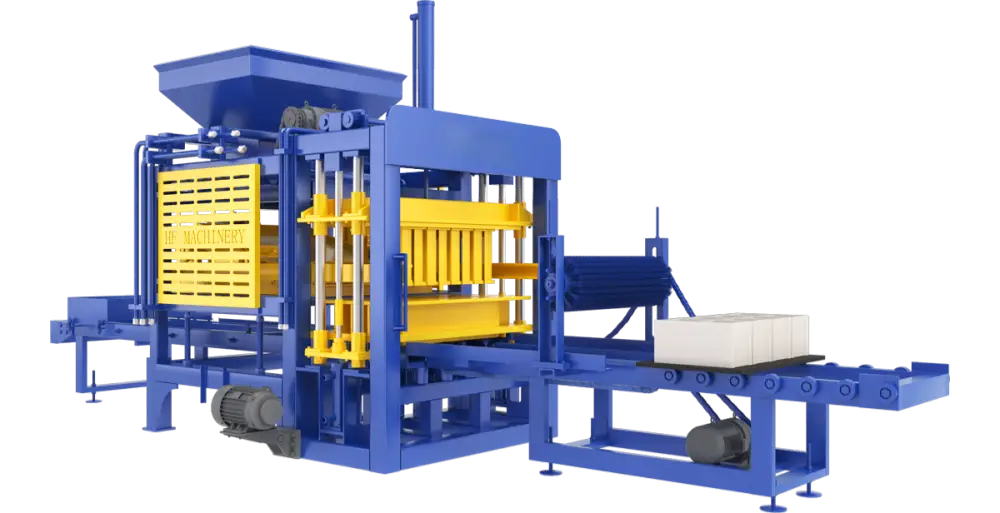
QT4-15 cement block making machine — proper maintenance keeps it running at peak performance for years
A cement block making machine is a significant investment. Whether you’re running a QT4-15 automatic block machine or a compact LMT4-40 model, you want it to last. The good news? Most machine failures are preventable. With the right maintenance routine, your block machine can run smoothly for 10 to 15 years — or even longer.
At Wojin Machinery, we’ve spent over 20 years manufacturing and servicing block machines for clients in 60+ countries. We’ve seen firsthand which maintenance habits make the biggest difference. In this guide, we share 10 practical tips that will help you protect your investment, reduce downtime, and keep production running at full capacity.
Why Maintenance Matters
Block machines operate under extreme conditions — heavy vibration, high hydraulic pressure, abrasive materials, and constant movement. Without regular maintenance, small issues compound quickly. A loose bolt becomes a cracked frame. A dirty hydraulic valve becomes a blown seal. A worn mold produces reject blocks that eat into your profit margin.
The cost of neglect is steep. A single day of unplanned downtime can cost thousands of dollars in lost production. Emergency repairs are always more expensive than scheduled maintenance. And premature machine replacement — that’s the worst case scenario. The tips below are organized from daily habits to annual checkups, so you can build a maintenance system that actually works.
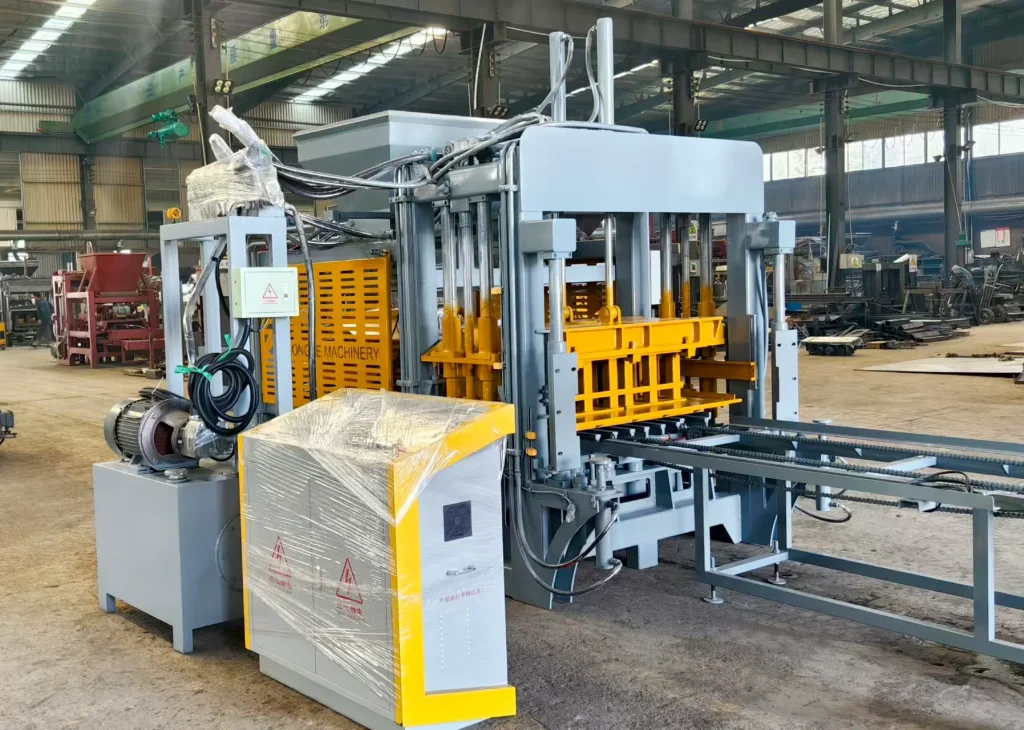
Wojin Machinery factory — every machine is built for durability, but maintenance is what keeps it running
1. Lubricate All Moving Parts Daily
Your block machine has dozens of moving components — guide columns, hydraulic cylinders, chain drives, bearings, and sliding surfaces. Every one of them needs lubrication to prevent metal-on-metal friction. Without it, parts wear prematurely, alignment shifts, and block quality drops.
Create a daily lubrication checklist. Apply high-quality lithium-based grease to all grease fittings (zerk fittings) before each shift. For machines like the QT8-15 fully automatic machine, which runs continuously at high output, mid-shift lubrication may be necessary during peak production periods.
Use the grease gun to hit every fitting — don’t skip the ones that are hard to reach. If you’re not sure where all the fittings are, consult your machine manual or ask us. We provide detailed lubrication maps with every cement block machine we sell.
2. Check Hydraulic Oil Weekly, Replace Periodically
The hydraulic system is the heart of your block machine. It provides the pressing force that compacts concrete into dense, strong blocks. If the hydraulic oil degrades, pressure drops, blocks weaken, and components seize.
Every week, check the oil level in the hydraulic tank. Top up if needed with the manufacturer-recommended oil grade — typically ISO VG46 or VG68 hydraulic oil. Inspect the oil color: clean oil is amber or light brown. If it looks dark, milky, or has visible particles, it’s time for a change.
Replace the hydraulic oil completely every 2,000 operating hours or every 6 months, whichever comes first. Also replace the oil filter at the same time. For heavy-duty machines like the QT8-15, which operates at 51 kW with high-pressure hydraulics, oil maintenance is especially critical. Never mix different oil brands or grades — this can cause chemical reactions that degrade performance.
3. Keep the Vibration System Clean
Vibration is what gives your blocks their density and strength. The vibration system consists of vibration motors, eccentric blocks, springs, and rubber dampeners. When concrete dust and debris build up on these parts, vibration efficiency drops, blocks become uneven, and motors overheat.
After every shift, use compressed air or a brush to clean the vibration table, motor housings, and spring assemblies. Remove any concrete buildup from the mold frame — hardened concrete in the wrong place can throw off the vibration balance and damage the motor bearings.
Inspect the rubber dampeners and vibration springs monthly. If you see cracks, hardening, or compression set (the rubber stays squished and doesn’t bounce back), replace them immediately. Worn dampeners transfer vibration to the machine frame, which accelerates wear on every other component.
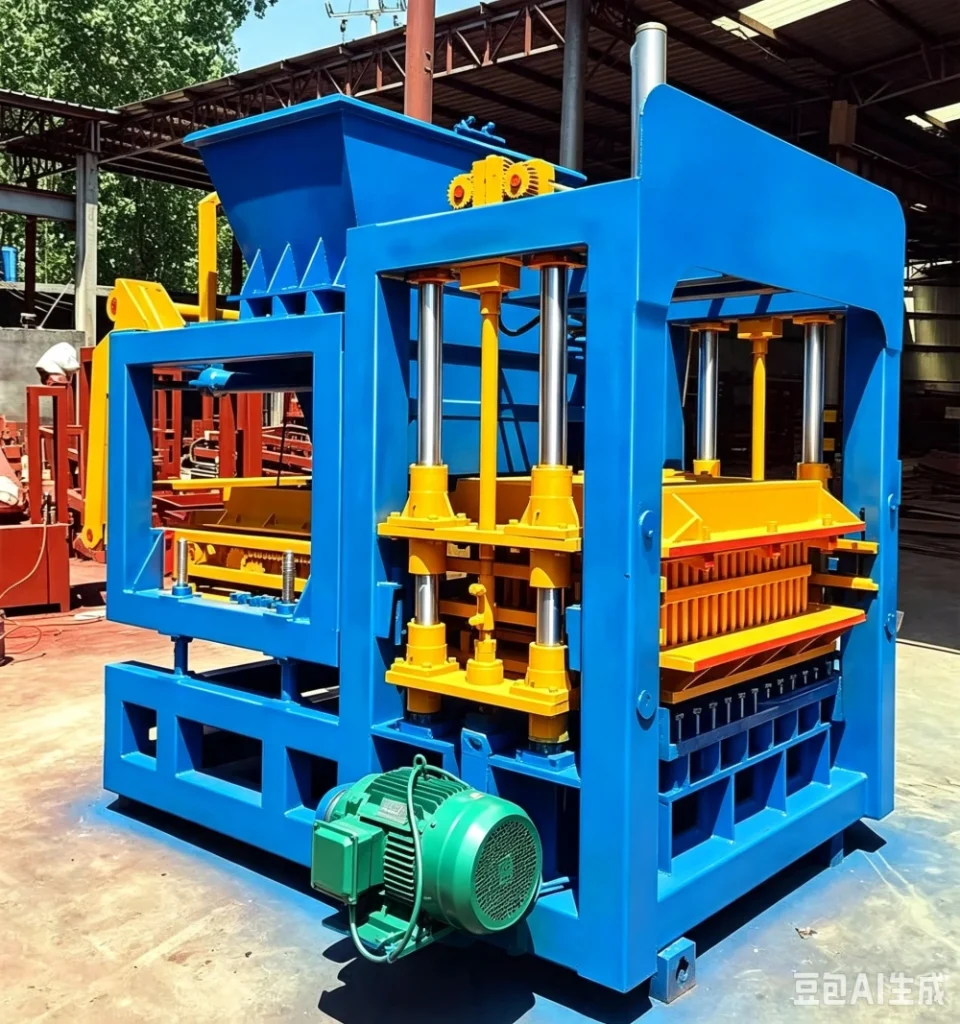
QT8-15 block machine host — the vibration system is visible here and needs daily cleaning
4. Inspect and Tighten Bolts Regularly
A block machine vibrates intensely during every production cycle. That vibration loosens bolts — it’s not a matter of if, but when. A loose bolt on the mold frame causes misalignment. A loose bolt on the hydraulic cylinder mount causes uneven pressing. A loose bolt on the machine frame can eventually cause structural cracks.
Every week, do a full bolt inspection. Use a torque wrench to check critical fasteners — mold bolts, cylinder mount bolts, vibration motor bolts, and frame connection bolts. Tighten any that have loosened to the specified torque in your machine manual.
Pay special attention to the mold clamping bolts. If these loosen during production, the mold can shift, producing out-of-spec blocks and potentially damaging the mold itself. If you find the same bolt loosening repeatedly, it may have stretched — replace it rather than just retightening. This is a common issue on machines like the QT4-25 semi-automatic block machine, where the mold is frequently changed.
5. Clean Molds After Every Shift
Molds are the most frequently replaced wear part on any block machine. They’re also one of the most expensive. Proper cleaning can double or even triple a mold’s service life — and it takes less than 15 minutes per shift.
After each production shift, remove residual concrete from the mold cavities using a non-metallic scraper. Metal tools scratch the mold surface, which causes concrete to stick worse over time. After scraping, blow out the cavities with compressed air and wipe with an oily rag to prevent rust.
Inspect the mold surface for wear. If you see deep scratches, pitting, or dimensional changes in the block cavity, it’s time to consider mold refurbishment or replacement. A worn mold produces blocks with rough surfaces and inconsistent dimensions — both are signs that quality is slipping.
For machines that produce multiple block types, like the QT4-15 with its interchangeable mold system, proper mold storage is equally important. Store molds in a dry area, coated with rust-preventive oil, and stacked on wooden pallets — never directly on concrete floors.
6. Inspect Electrical Components Weekly
Modern block machines rely on electrical and electronic systems for automation, control, and safety. The PLC control panel, limit switches, proximity sensors, and motor contactors all need attention. Electrical failures can cause sudden stops, safety hazards, and expensive component damage.
Every week, inspect the main control panel for dust accumulation. Use compressed air to blow dust from electrical enclosures — dust traps heat and can cause component failure. Check all wire connections for tightness; vibration loosens terminals just like it loosens bolts.
Test all limit switches and proximity sensors. These tell the PLC when the mold is in position, when the press head is down, and when the pallet is ready. A faulty sensor can cause the machine to operate out of sequence, leading to crashes and damage.
For machines with Siemens or Schneider electrical components — like the QT8-15 — replacement parts are widely available, but prevention is always cheaper than replacement. If you notice any intermittent operation or warning lights on the PLC panel, don’t ignore them. Address electrical issues immediately before they cascade.
7. Monitor and Adjust Belt Tension
V-belts and timing belts drive the vibration motors, mixers, and conveyors on your block machine. Over time, belts stretch, crack, and lose grip. A loose belt causes vibration motor speed to drop, which means weaker compaction and lower block quality. A belt that snaps during production means an immediate stop.
Check belt tension weekly. Press on the midpoint of each belt — it should deflect about 10-15mm under firm thumb pressure. If it deflects more, tighten the motor mount. If you see cracks, fraying, or glazing (a shiny, hardened surface), replace the belt before it fails.
Always replace belts in matched sets. A new belt paired with an old, stretched belt will cause uneven load distribution and premature failure of both. For machines like the QT4-35 manual block machine, which uses simpler belt drives, this is an easy 10-minute job that can save you from a mid-shift breakdown.
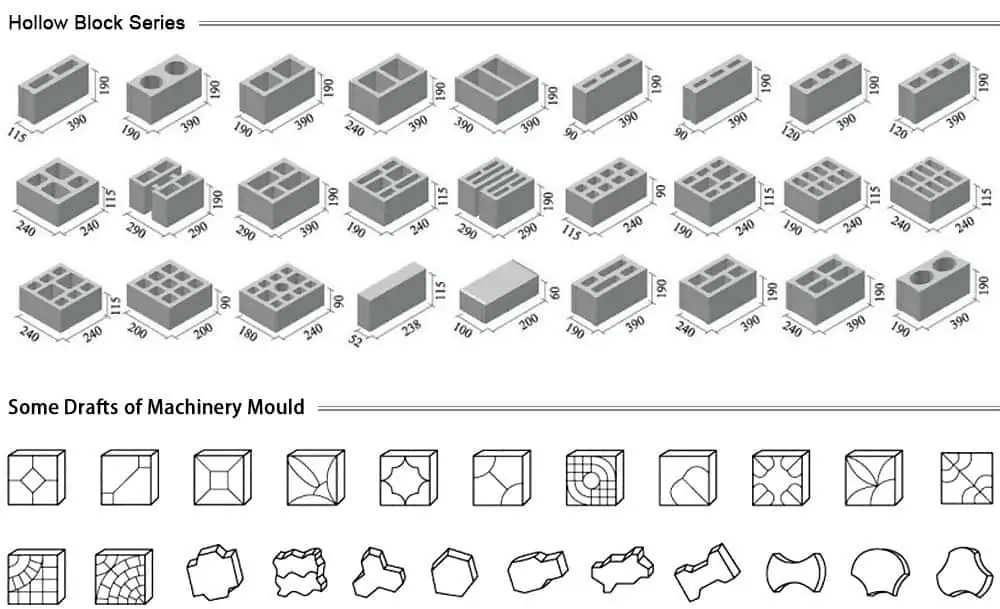
High-quality block output is the result of consistent machine maintenance
8. Protect Your Machine from Weather and Moisture
Rust is the silent enemy of any concrete block machine. Steel frames, mold surfaces, hydraulic cylinders, and guide columns all corrode when exposed to moisture. In humid climates — especially in coastal regions of Africa and Southeast Asia — rust can significantly shorten your machine’s life.
If your machine is outdoors, invest in a steel or fabric shelter. Even a simple roof structure keeps rain off the machine and dramatically reduces corrosion. If indoor space isn’t available, use a heavy-duty waterproof cover when the machine is not in use.
Apply anti-corrosion spray to exposed metal surfaces weekly. Pay special attention to the guide columns — these precision-ground steel shafts are critical for mold alignment. Any rust on the guide columns causes uneven mold movement and premature seal wear.
For mobile machines like the QMJ4-45 mobile block machine, which often operates in open environments, weather protection is even more important. After use in rainy conditions, dry all surfaces and apply a light oil coating before storage.
9. Train Operators on Proper Usage
The best maintenance schedule in the world won’t help if operators use the machine incorrectly. Many block machine problems — cracked frames, burned-out motors, stripped bolts, and damaged molds — stem from operator errors rather than mechanical wear.
Invest in proper operator training. Every operator should understand the correct startup sequence, production parameters for each block type, and shutdown procedures. They should know how to read the PLC panel, recognize warning signs, and respond to alarms.
Create a simple standard operating procedure (SOP) document and post it near the machine. Include startup checklist, material mixing ratios, mold change procedures, and shutdown checklist. At Wojin Machinery, we provide free operator training with every machine purchase and supply detailed operation manuals. If you’re starting a block machine business, budget time for training before you start commercial production.
Cross-train multiple operators so that production doesn’t depend on a single person. And encourage operators to report unusual sounds, vibrations, or block quality changes immediately — early reporting is the cheapest form of maintenance.
10. Schedule Professional Maintenance Annually
Daily and weekly maintenance covers the basics, but your block machine needs a professional deep service at least once a year. This goes beyond what operators can do — it involves disassembling major components, inspecting internal parts, and calibrating the hydraulic and electrical systems.
During an annual service, a qualified technician should:
- Disassemble and inspect the main hydraulic cylinder for seal wear and chrome plating damage
- Check the vibration motor bearings and replace if noisy or worn
- Inspect the PLC system, update firmware if needed, and recalibrate sensors
- Measure the machine frame for structural cracks using magnetic particle inspection
- Replace all wear seals, O-rings, and gaskets preventively
- Calibrate the hydraulic pressure to factory specifications
- Torque all critical bolts to specification and replace any stretched bolts
If you don’t have a local technician, Wojin Machinery offers annual maintenance service packages. We can send technicians to your site anywhere in the world, or provide remote video guidance for self-service. Contact us at info@wgblockmachine.com to arrange your annual service.
Maintenance Schedule Summary
Here’s a quick-reference table to help you stay on track:
| Frequency | Maintenance Task | Time Required |
|---|---|---|
| Daily (per shift) | Lubricate all fittings, clean vibration system, clean molds | 30–45 min |
| Daily (per shift) | Blow out electrical panels, check oil level | 10 min |
| Weekly | Check hydraulic oil quality, inspect bolts, test sensors | 1–2 hours |
| Weekly | Check belt tension, inspect wire connections | 30 min |
| Monthly | Replace vibration dampeners if worn, deep-clean molds | 2–3 hours |
| Every 6 months | Replace hydraulic oil and filter | 2–4 hours |
| Annually | Professional service — cylinder teardown, frame inspection, calibration | 1–2 days |
Conclusion
Maintenance is not an expense — it’s an investment in your machine’s longevity and your business’s profitability. A well-maintained cement block machine produces better blocks, runs with fewer breakdowns, and lasts years longer than a neglected one. The 10 tips in this guide cover everything from daily habits to annual professional service, giving you a complete maintenance system.
Start small. Pick three tips to implement this week — daily lubrication, mold cleaning, and bolt inspection are the highest-impact, lowest-effort changes you can make. Build from there until all 10 are part of your routine. Your machine, your operators, and your bottom line will all benefit.
Need maintenance support, spare parts, or a new block machine? Wojin Machinery provides lifetime technical support, affordable spare parts, and professional maintenance service for all our machines. With 20+ years of manufacturing experience and ISO 9001 certified quality, we’re here to help your block-making business succeed.
Need spare parts or maintenance support for your block machine?
Contact our technical team for fast, professional assistance — wherever you are in the world.
Contact Us Today