
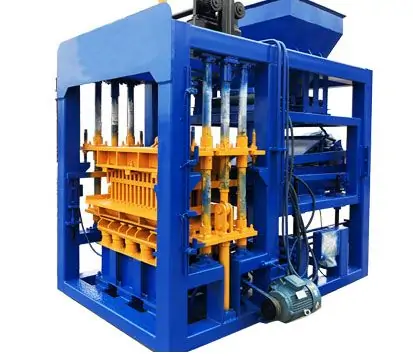
Overview of Cement Block Machine Prices in Kenya
Kenya’s booming construction sector has driven massive demand for durable, cost-effective building materials. Investing in a cement block machine offers high ROI for contractors, developers, and local manufacturing enterprises. Prices in the Kenyan market vary significantly based on automation level, hydraulic force, production output, and sourcing origin.
Average Cost Range for Concrete Block Machines
Equipment costs range from basic manual presses for small-scale local yards to fully automated industrial batching plants.
| Machine Category | Price Range (KES) | Price Range (USD) | Best Suited For |
|---|---|---|---|
| Manual & Small-Scale | KES 50,000 – KES 250,000 | $380 – $1,900 | Artisanal producers, rural projects |
| Mobile & Semi-Automatic | KES 250,000 – KES 800,000 | $1,900 – $6,100 | Medium commercial yards, urban suppliers |
| Fully Automatic Lines | KES 800,000 – KES 5,000,000+ | $6,100 – $38,000+ | High-capacity industrial plants, infrastructure |
Key Factors Influencing Block Machine Pricing
- Automation Level: Manual lever systems are budget-friendly, whereas automated systems with programmable logic controllers (PLCs), conveyor belts, and automated stackers require higher capital outlay.
- Hydraulic Pressure vs. Mechanical Vibration: High-tonnage hydraulic compression yields dense, load-bearing blocks with minimal cement wastage, adding to the machinery cost.
- Production Capacity: Standard machines produce 500 to 1,500 blocks daily, while high-capacity industrial plants process upwards of 10,000 units per shift.
- Mold Versatility: Interchangable molds designed for hollow blocks, solid bricks, interlocking paving tiles (cabro), and curbstones increase machine utility and upfront costs.
Local Production Costs vs. Import Duties in Kenya
Evaluating locally fabricated machines against imported equipment involves weighing initial capital expenditure against long-term operational efficiency:
- Locally Fabricated Equipment (Nairobi / Local Workshops):
- Pros: Lower initial purchasing price, zero international freight expense, and easily accessible local spare parts.
- Cons: Generally lower compaction density, manual labor-intensive, and shorter structural operating lifespans.
- Imported Machinery (China, Turkey, India):
- Taxation & Clearance: Imports incur Kenya Revenue Authority (KRA) tariffs, including standard import duties (25%), Value Added Tax (16% VAT), Import Declaration Fee (IDF), and Railway Development Levy (RDL).
- Value Deliverable: Superior engineering precision, faster molding cycle times, reduced labor overhead, and uniform block quality that meets strict KS-EAS standards.
Budget and Small-Scale Block Machine Price Tiers
Starting a block manufacturing venture in Kenya does not require millions in upfront capital. Small-scale operators and regional builders can launch operations with entry-level equipment that balances affordable capital investment with reliable daily output. Selecting a dedicated small-scale block making machine allows startups to achieve fast payback without overextending early cash flow.
Tier 1: Manual Concrete Block Making Machines
Manual machines represent the primary entry point for small contractors, community groups, and local hardware suppliers in Kenya. Operated via hand levers and manual compaction, these machines require no electricity or fuel, making them fully functional on remote or off-grid construction sites.
- Price Range: KSh 60,000 – KSh 260,000 ($450 – $2,000 USD)
- Daily Output: 500 – 1,200 blocks per 8-hour shift
- Best For: On-site residential projects, rural hardware supply, and low-budget business startups
- Key Advantage: Zero fuel costs, lightweight portability, and minimal maintenance overhead
Tier 2: Mobile Egg-Laying Block Machines
Mobile egg-laying machines travel across a flat concrete slab, laying finished hollow or solid blocks directly onto the ground. Powered by small diesel engines or electric motors, these units eliminate the recurring expense of wooden pallets while boosting production speed.
- Price Range: KSh 250,000 – KSh 650,000 ($1,900 – $5,000 USD)
- Daily Output: 1,500 – 4,000 blocks per shift
- Best For: Commercial yard operations with large concrete drying floors
- Key Advantage: Removes pallet costs, offers simple maneuverability, and increases yield per worker
Tier 3: Hydraulic Interlocking Soil-Cement Machines
Hydraulic interlocking machines compress a blend of local soil and cement under high hydraulic pressure, manufacturing high-density, self-locking bricks. These units are gaining traction in Kenya as builders seek alternatives to conventional stone to lower overall masonry and mortar expenses.
- Price Range: KSh 280,000 – KSh 1,200,000 ($2,100 – $9,200 USD)
- Daily Output: 1,200 – 3,500 interlocking bricks per shift
- Best For: Affordable housing developments, eco-friendly construction, and commercial brick yards
- Key Advantage: Consistent compression strength, reduced structural mortar requirements, and uniform block dimensions
| Machine Tier | Average Price (KES) | Daily Production Capacity | Power Source | Labor Requirements |
|---|---|---|---|---|
| Tier 1: Manual Press | KSh 60,000 – 260,000 | 500 – 1,200 blocks | Manual Hand Operation | 2 – 3 operators |
| Tier 2: Mobile Egg-Layer | KSh 250,000 – 650,000 | 1,500 – 4,000 blocks | Diesel Engine / Single-Phase | 3 – 5 operators |
| Tier 3: Hydraulic Interlocking | KSh 280,000 – 1,200,000 | 1,200 – 3,500 bricks | Diesel / 3-Phase Electric | 3 – 4 operators |
Commercial and High-Capacity Block Machine Price Tiers
When scaling up production beyond basic workshop levels, commercial-grade equipment becomes essential. Investing in higher tier machinery dramatically reduces labor costs per unit while maximizing daily production capacity for large construction projects across Kenya.
Tier 4: Semi-Automatic Cement Block Machines
Price Range: KSh 1.2 Million – KSh 1.9 Million ($9,000 – $15,000)
Semi-automatic setups strike a balanced sweet spot for growing commercial yards. These machines combine electric or diesel hydraulic compression with semi-automated pallet feeding to streamline overall output.
- Daily Capacity: 2,000 to 4,500 standard 6-inch hollow blocks per 8-hour shift.
- Key Features: Hydraulic compression, interchangeable molds, pan mixer integration, and reduced labor needs (4–5 operators required).
- Best For: Medium-sized suppliers serving local housing contractors in expanding urban hubs like Nairobi, Nakuru, and Kisumu.
Tier 5: Fully Automatic Concrete Block Production Lines
Price Range: KSh 2.5 Million – KSh 5.5 Million ($18,000 – $40,000)
Fully automatic units utilize PLC control systems to manage dosing, mixing, molding, and block stacking with minimal human intervention. Investing in a complete automatic block making machine line provides consistent block density, superior compressive strength, and continuous daily volume.
- Daily Capacity: 5,000 to 9,000 concrete blocks or interlocking paving stones per shift.
- Key Features: Automated batching plants, touch-screen PLC operation, hydraulic press vibration, and automatic pallet stackers.
- Best For: Established manufacturing plants supplying large-scale commercial developments and road paving contracts.
Tier 6: High-Capacity Industrial Block Machines
Price Range: KSh 5.5 Million – KSh 12 Million ($40,000 – $90,000)
Industrial-grade systems deliver high production speeds with heavy-duty structural steel frames built for 24/7 continuous operation. High-output models like the QT6-15 block machine utilize multi-directional hydraulic vibration to manufacture dense concrete blocks, solid bricks, and heavy-duty cabro pavers.
- Daily Capacity: 10,000 to 18,000 blocks per shift.
- Key Features: Advanced hydraulic proportional valves, auto-cubing units, aggregate batchers, and face-color feeding systems for paving blocks.
- Best For: Large construction consortiums, commercial concrete yards, and major government infrastructure contracts.
Tier 7: Heavy-Duty Paving and Hollow Block Production Plants
Price Range: KSh 12 Million – KSh 35 Million+ ($90,000 – $250,000+)
These fully integrated production plants represent the pinnacle of industrial automation. Designed as complete turnkey operations, they integrate raw material storage silos, automated curing rack handlers, high-speed block stackers, and automated packaging lines.
- Daily Capacity: Exceeds 20,000 blocks or 1,500 square meters of paving stones per shift.
- Key Features: Cement silo integration, automated block strapping, remote diagnostic control systems, and quick-change mold flexibility.
- Best For: Multinational construction firms and premier concrete product manufacturers supplying nationwide infrastructure networks.
Main Types of Cement Block Machines in Kenya
We see three primary categories of cement block machines driving building projects across Kenya, from urban real estate in Nairobi to rural housing developments. Choosing the right machine type depends directly on your local market demand, raw material availability, and output targets.
Hollow and Solid Concrete Block Machines
Hollow and solid blocks remain the foundation of Kenyan masonry construction. Standard 6-inch and 9-inch hollow blocks lower material costs and structural weight, making them the most frequently requested block type by commercial contractors.
- Primary Application: Load-bearing walls, high-rise construction, and perimeter boundary fencing.
- Key Feature: Exceptional mold versatility. A single concrete block machine can produce hollow, solid, and half-blocks simply by swapping out the mold heads.
- Market Demand: Consistently high across rapidly expanding urban centers including Nairobi, Mombasa, and Kisumu.
For investors aiming for large commercial output, reviewing concrete block making machines rated by output helps match daily target production with the correct machine sizing.
Interlocking Soil-Cement Brick Machines
Interlocking brick machines have gained massive traction throughout Kenya for cost-effective, eco-friendly building. By mixing local murram (soil) with a 5% to 10% cement ratio, these systems produce interlocking blocks that drastically reduce mortar usage during construction.
- Primary Application: Affordable residential housing, school developments, and perimeter walls.
- Operating Mechanism: Available in manual lever options or automated hydraulic brick making machine designs for higher density and pressure.
- Key Advantage: Reduces total construction costs by minimizing plastering and mortar requirements between block layers.
Paving Block and Curbstone Making Machines
With ongoing municipal road upgrades and private commercial projects, paving block (cabro) machines offer some of the highest profit margins for block manufacturers. These high-vibration systems produce heavy-duty interlocking pavers, curbstones, and decorative grass blocks.
| Feature | Details |
|---|---|
| Primary Output | Heavy-duty pavers (60mm–80mm thickness), road curbstones, side drain blocks |
| Raw Materials | Quarry dust, sand, cement, and color pigment oxides for decorative finishes |
| Key Advantage | High compressive strength rating suitable for heavy traffic driveways and parking lots |
To compare high-performing equipment options built for rugged local conditions, check our overview of popular cement block machines for sale in Africa to find a setup tailored to your production scale.
Additional Operating and Import Costs in Kenya
Buying a cement block machine involves more than just the equipment’s base price tag. Expenses like ocean freight, customs taxes, extra molds, and energy connections can add 20% to 40% to your total setup budget in Kenya.
Shipping, Clearance, and Delivery to Nairobi
Importing a heavy concrete block machine overseas requires budgeting for sea freight, port clearance, and final transport to your site.
- Ocean Freight (China to Mombasa): Standard 20-foot shipping containers average $3,600 to $4,700, while 40-foot containers range from $4,900 to $6,300.
- Port Clearance & KRA Taxes: Kenya Customs applies a 16% VAT, a 3.5% Import Declaration Fee (IDF), and a 2% Railway Development Levy (RDL). Terminal Handling Charges (THC) and clearing agent fees at Mombasa Port add another $300 to $500 per shipment.
- Inland Transport to Nairobi: Hauling your machinery from Mombasa to Nairobi via SGR or flatbed truck adds roughly $800 to $1,200 per container.
For a complete breakdown of landed logistics and customs steps, check our block machine shipping and import guide.
Custom Molds and Machine Accessories
Most factory packages ship with only one standard mold. Expanding your product line to supply paving cabro or specialized construction projects requires purchasing additional attachments upfront.
| Accessory Item | Estimated Cost (USD) | Function / Operational Need |
|---|---|---|
| Custom Block Molds | $800 – $2,500 each | Allows production of hollow blocks, solid bricks, or interlocking paving blocks. |
| Production Pallets (PVC or Bamboo) | $3 – $12 per piece | Holds freshly pressed blocks during curing (operations need 500 to 2,000 units). |
| Automatic Batching System | $3,500 – $8,000 | Measures raw sand, aggregate, and cement for consistent block strength. |
| Wear-and-Tear Spare Kit | $500 – $1,500 | Includes backup hydraulic seals, switches, vibration pads, and oil filters. |
If you plan to run a high-volume hollow block machine price assessment for your site, review our cinder block machine features and pricing guide to select the right mold specifications.
Power Supply and Maintenance Costs
Operating heavy Nairobi construction equipment demands dependable power infrastructure and ongoing maintenance to prevent project downtime.
- 3-Phase Electrical Grid Hookup: Connecting your production site to Kenya Power’s 3-phase grid averages KES 150,000 to KES 400,000 depending on transformer distance.
- Diesel Generator Backup: Hydraulic block plants require a 30 kVA to 100 kVA generator ($4,000 – $10,000) to keep production running during local power outages.
- Hydraulic Oil Initial Fill: Heavy-duty hydraulic block machines require 150 to 300 liters of fluid ($400 – $900) during setup, with annual oil changes.
- Monthly Servicing: Budget $100 to $300 per month for motor greasing, drive belt replacements, and mold cleaning.
How to Select and Purchase the Right Block Machine
Selecting the ideal equipment for the Kenyan construction market requires balancing your upfront capital against your daily block targets.
Evaluating Production Capacity and Business Scale
Matching your daily brick requirement to machine capacity prevents capital tie-up or operational bottlenecks. Understanding your operational scope is essential when learning how to start a block machine business successfully in active regional markets.
| Business Scale | Target Output (Blocks/Day) | Recommended Machine Type |
|---|---|---|
| Small / Startup | 200 – 800 | Manual or Small Hydraulic Interlocking Machine |
| Medium Commercial | 1,000 – 4,000 | Mobile Egg-Laying or Semi-Automatic Stationary |
| Large Industrial | 5,000 – 12,000+ | Fully Automatic Hydraulic Production Line |
For commercial setups, review our direct model comparison on QT4-15 vs QT6-15 vs QT8-15 block machines to select the right capacity for your site.
Comparing Local Suppliers with Direct Import Options
We weigh both sourcing channels based on lead time, cost, and logistics:
- Local Suppliers in Nairobi: Provide immediate equipment pickup, pre-cleared customs, and local testing, but include a 20% to 35% dealer markup.
- Direct Factory Import: Delivers lower base machinery costs and custom engineering, but requires managing IDF fees, KEBS PVoC certification, ocean freight, and a 4 to 8-week transit window.
Tips for Getting the Best Price and After-Sales Support
- Demand All-Inclusive Quotes: Ensure supplier quotes cover the host machine, control panel, hydraulic station, initial spare parts, and custom molds.
- Secure Spare Parts Supply: Confirm fast access to high-wear items like hydraulic seal rings, vibration motors, and relays.
- Negotiate Technical Assistance: Factor engineer site setup, line commissioning, and operator training directly into your purchase contract.
- Verify Mold Durability: Require carburizing heat-treated alloy molds (such as Q345 manganese steel) to withstand abrasive sand and gravel mixtures over long production runs.