
Are you planning to launch or scale a block moulding business in Nigeria, but feeling overwhelmed by unpredictable equipment costs?
Selecting the wrong machine can make or break your daily profit margins before you even mould your first batch of 6-inch or 9-inch hollow blocks. As a construction equipment specialist, I know that securing reliable pricing data is the single most critical step to maximizing your investment.
In this guide, you’ll get an exact market breakdown of Cement Block Machine Prices in Nigeria: 10 Real Quotes Compared.
We’ll compare everything from budget-friendly manual block making machines and mobile egg-laying block machines to heavy-duty fully automatic hydraulic block machines like the QT4, QT6, and QT8 series. You will also learn the core cost drivers—from imported versus locally fabricated models to custom mould costs, power efficiency, and daily production ROI.
Let’s dive right in!
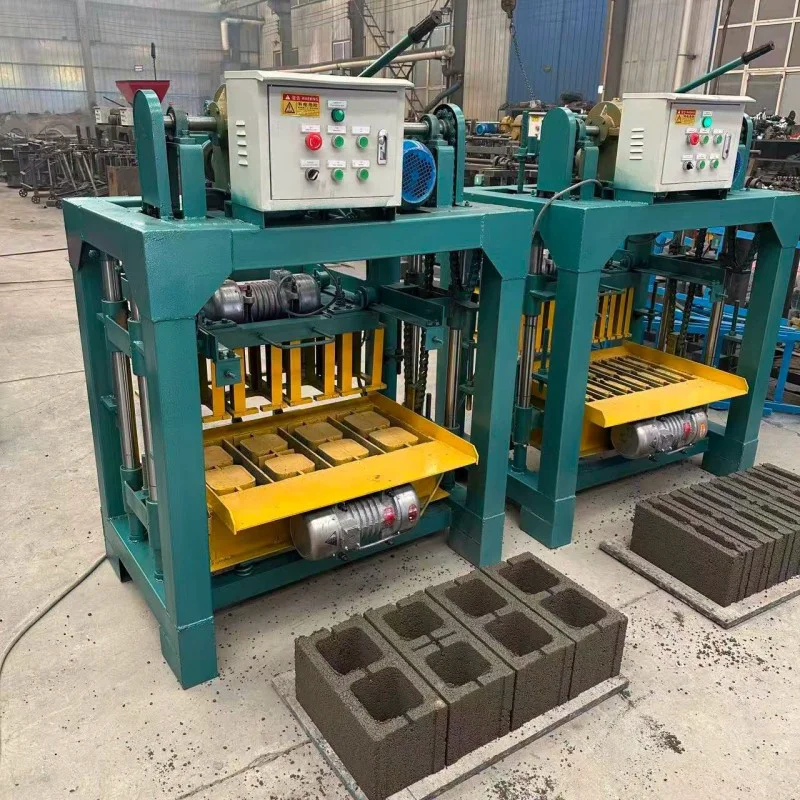
Overview of Cement Block Machine Market in Nigeria
Nigeria’s rapid urbanization and expanding infrastructure sector have positioned the concrete block machine market as a pivotal industrial segment. Driven by persistent housing demands and commercial development across Lagos, Abuja, and Port Harcourt, commercial block production requires efficient, reliable machinery to maintain market competitiveness.
Role of Block Making Machines in Nigerian Construction
Modern block moulding machines serve as the engine of Nigeria’s structural building supply chain. Transitioning away from traditional manual hand molding to engineered machinery delivers critical operational advantages:
- Consistent Compaction & Strength: Hydraulic and vibratory compression ensures uniform material density, meeting strict structural load requirements.
- Exact Dimensional Tolerance: Eliminates structural variation in standard 6-inch and 9-inch hollow blocks, solid bricks, and interlocking paving stones.
- High-Volume Daily Output: Enables producers to scale production from 1,000 to over 15,000 blocks per shift to meet commercial supply contracts.
Imported vs. Locally Fabricated Block Moulding Machines
Investors entering the Nigerian market must choose between locally fabricated equipment and imported industrial block machines (such as the QT Series).
| Feature / Metric | Locally Fabricated Machines | Imported Industrial Machines (QT Series) |
|---|---|---|
| Initial Investment | Low upfront capital outlay | Moderate to High capital requirements |
| Compaction System | Basic mechanical vibration or gravity drop | High-frequency vibration + hydraulic pressure |
| Daily Production Output | 400 – 1,500 blocks / day | 3,000 – 20,000+ blocks / day |
| Block Density & Quality | Variable density; higher cement consumption | High compressive strength; precise edges |
| Maintenance & Repair | Easy local welding and off-the-shelf components | Standardized factory parts and PLC diagnostic modules |
While local fabrications offer an accessible entry point for small neighborhood yards, imported hydraulic block machines provide the structural precision, raw material efficiency, and production volume required for large-scale commercial operations.
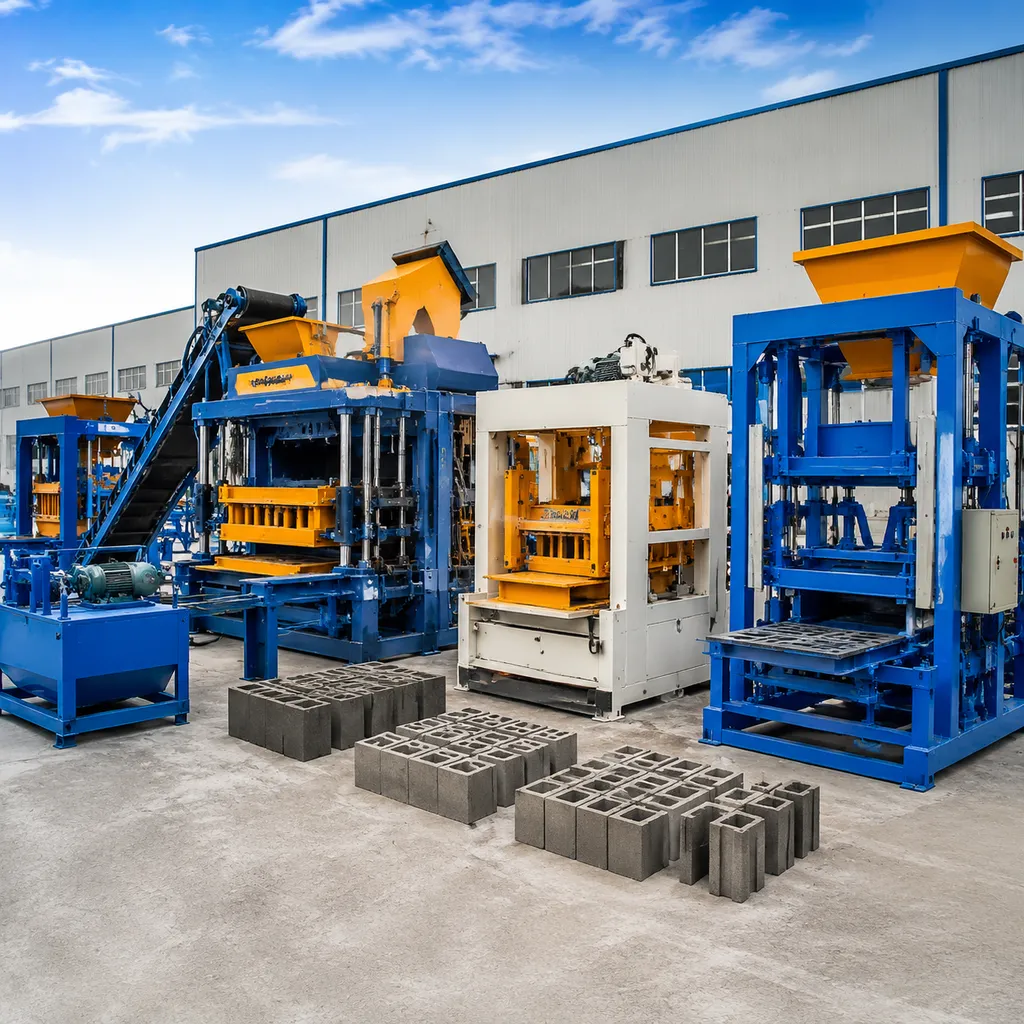
Cement Block Machine Prices in Nigeria: 10 Real Quotes Compared
Navigating the Nigerian equipment market requires clear, real-time pricing data. We gathered 10 verified supplier quotes across the most common equipment types in Lagos, Abuja, and Kano to help you budget accurately.
Manual Block Making Machine Price Quotes
Manual equipment offers the lowest entry barrier for commercial startups and small sites. Check out our small-scale block making machine guide to see how manual production aligns with your output goals.
| Quote # | Equipment Description | Key Features | Price Range (NGN) | Est. USD Equivalent |
|---|---|---|---|---|
| Quote 1 | Local Single-Mould Hand Press | Foot-pedal ejector, 1 block/cycle | ₦180,000 – ₦350,000 | $120 – $230 |
| Quote 2 | Dual-Mould Heavy Lever Press | Reinforced steel frame, 2 blocks/cycle | ₦450,000 – ₦650,000 | $300 – $430 |
- Best For: Small rural construction, DIY site projects, or low-capital start-ups.
- Daily Capacity: 300 to 600 blocks per day (highly labor-dependent).
Semi-Automatic Block Machine Price Quotes
Semi-automatic models bridge manual labor and industrial automation, using electrical or diesel vibration motors to increase block density and daily output.
| Quote # | Equipment Description | Key Features | Price Range (NGN) | Est. USD Equivalent |
|---|---|---|---|---|
| Quote 3 | Local Diesel-Powered Vibrator Machine | Single-phase vibrator, interchangeable mold | ₦1,800,000 – ₦2,800,000 | $1,200 – $1,860 |
| Quote 4 | QTJ4-40 Stationary Mechanical Machine | Belt conveyor, bottom/top vibration | ₦2,200,000 – ₦3,500,000 | $1,460 – $2,330 |
| Quote 5 | QT4-24 Semi-Automatic Concrete Machine | Control panel, high vibration force | ₦4,500,000 – ₦6,200,000 | $3,000 – $4,130 |
- Best For: Growing commercial block yards serving medium housing developments.
- Daily Capacity: 1,500 to 3,500 blocks per day.
Fully Automatic & Hydraulic Block Machine Price Quotes
Hydraulic systems yield maximum compressive strength and massive daily volumes. For detailed specs on high-output machinery, explore our comprehensive hollow block making machine guide and price details.
| Quote # | Equipment Description | Key Features | Price Range (NGN) | Est. USD Equivalent |
|---|---|---|---|---|
| Quote 6 | QT4-15 Automatic Hydraulic Machine | PLC touch screen, automatic stacking | ₦12,500,000 – ₦16,000,000 | $8,300 – $10,600 |
| Quote 7 | QT6-15 Heavy-Duty Hydraulic Plant | Full production line (batcher, mixer, stacker) | ₦22,000,000 – ₦28,000,000 | $14,600 – $18,600 |
| Quote 8 | QT8-15 High-Output Industrial Machine | Fully automated line, high cycle speed | ₦35,000,000 – ₦45,000,000 | $23,300 – $30,000 |
- Best For: Large-scale commercial suppliers and government infrastructure contractors.
- Daily Capacity: 6,000 to 14,000 blocks per day.
Mobile Egg-Laying Block Machine Price Quotes
Mobile egg-layers eliminate the need for wooden pallets by depositing freshly molded blocks directly onto concrete slabs or leveled ground.
| Quote # | Equipment Description | Key Features | Price Range (NGN) | Est. USD Equivalent |
|---|---|---|---|---|
| Quote 9 | Electric Mobile Egg-Layer (2,000/day) | Dual vibrators, 3kVA generator compatible | ₦1,650,000 – ₦2,400,000 | $1,100 – $1,600 |
| Quote 10 | FT200 Mobile Hydraulic Egg-Layer | Self-propelled, 3,500 blocks/day capacity | ₦3,500,000 – ₦4,300,000 | $2,330 – $2,860 |
- Best For: On-site contractor projects and yard operators looking to eliminate pallet maintenance costs.
- Daily Capacity: 2,000 to 4,000 blocks per day.
Price Breakdown by Machine Series and Specifications
Understanding pricing across machine series helps align production goals with capital expenditure. Equipment costs vary based on automation level, hydraulic force, and daily output capacity.
Small and Medium Capacity Machine Prices (QT4 Series)
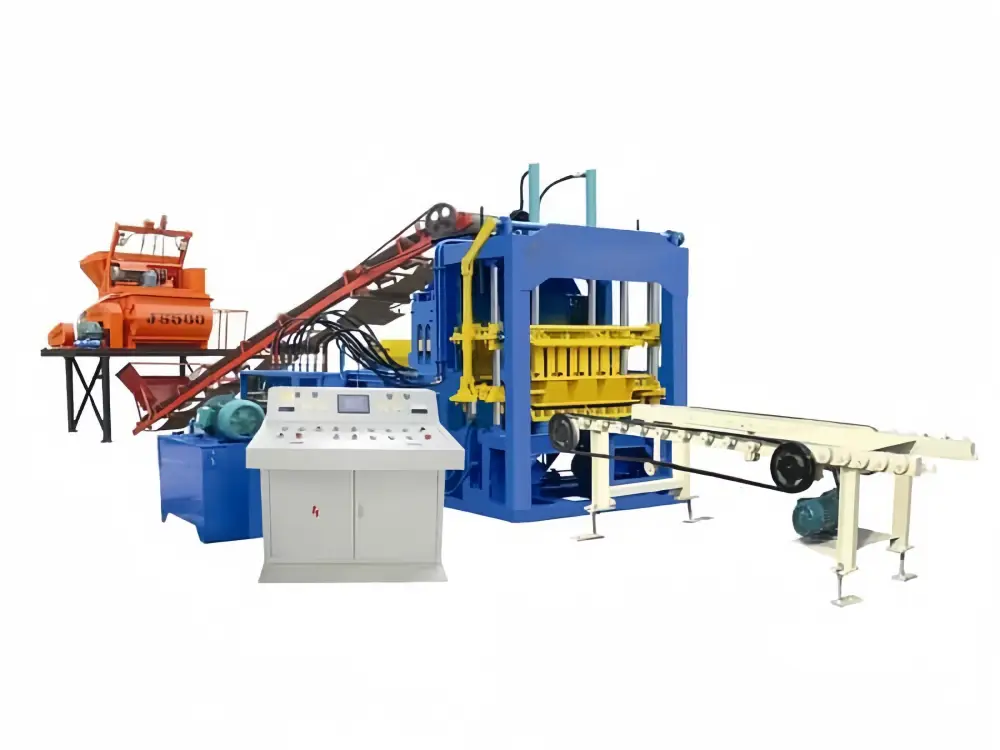
The QT4 series caters to medium-scale commercial producers in Nigeria seeking automated efficiency without massive upfront capital. These machines feature automated batching, hydraulic pressing, and PLC control panels.
- QT4-26 Semi-Automatic: $4,500 – $7,000. Compact setup utilizing mechanical vibration.
- QT4-18 Automatic: $9,500 – $13,000. Integrated hydraulic pressing with automatic pallet feeding.
- QT4-15 Fully Automatic: $12,000 – $18,000. Full production line including automatic batching plant and block stacker.
| Machine Model | Automation Level | Daily Output (8-Hour Shift) | Price Range (USD) |
|---|---|---|---|
| QT4-26 | Semi-Automatic | 3,000 – 4,000 pcs | $4,500 – $7,000 |
| QT4-18 | Automatic | 4,000 – 5,500 pcs | $9,500 – $13,000 |
| QT4-15 | Fully Automatic | 5,500 – 7,500 pcs | $12,000 – $18,000 |
Large Heavy-Duty Automatic Machine Prices (QT6 & QT8 Series)
Large-scale commercial projects and high-volume block yards require heavy-duty equipment capable of continuous multi-shift operations. Reviewing detailed QT6-15 block machine specifications shows how higher hydraulic pressure yields denser, stronger blocks while optimizing cement consumption per unit.
- QT6-15 Automatic Line: $18,000 – $28,000. Produces 6 blocks per mold cycle (15–20 seconds) with output reaching up to 9,600 hollow blocks per 8-hour shift.
- QT8-15 Fully Automatic Production Plant: $28,000 – $45,000. Heavy hydraulic system pressing 8 hollow blocks per cycle with integrated aggregate dosing, planetary mixer, and automatic stacking.
- QT10-15 Industrial Plant: $48,000 – $75,000. Mass-production setup capable of turning out over 14,000 blocks daily, tailored for commercial infrastructure suppliers.
For broader budgeting across different tiers, consult our full concrete block machine price guide to compare equipment models and shipping options.
Cost Breakdown for 6-Inch and 9-Inch Hollow Block Moulds
Customized molds determine block dimensions, core geometry, and concrete compaction quality. While standard machine purchases include one primary mold set, additional or specialized replacement molds carry separate costs depending on steel grade and heat treatment.
| Mould Type | Standard Dimensions | Price Range per Set (USD) | Key Features |
|---|---|---|---|
| 6-Inch Hollow Block Mould | 400 x 150 x 200 mm | $800 – $1,800 | Heat-treated manganese steel; standard 2-core or 3-core configurations |
| 9-Inch Hollow Block Mould | 400 x 225 x 200 mm | $1,000 – $2,200 | Heavy-wall reinforced steel for load-bearing block production |
| Interlocking / Paver Mould | Custom sizes | $700 – $1,500 | Wire-cut precision dies for paving stone patterns |
- Material Durability: Carburized, heat-treated steel molds withstand over 100,000 vibration cycles before requiring refurbishment.
- Mold Interchangeability: Standard QT series frames allow complete mold changeovers within 1 to 2 hours for flexible production runs.
Key Factors Affecting Cement Block Machine Prices in Nigeria
Understanding why price quotes vary so widely across the Nigerian market comes down to three major cost drivers: automation level, component specifications, and import logistics.
Automation Degree and Daily Production Capacity
The degree of automation directly determines your initial machinery cost, labor requirements, and output speed:
- Manual Block Machines: Lowest initial cost, producing 800–1,500 blocks daily. Output relies entirely on physical labor.
- Semi-Automatic Machines: Combines mechanical raw material feeding with manual block removal, producing 3,000–5,000 blocks daily.
- Fully Automatic Hydraulic Lines: An advanced automatic block making machine uses PLC control systems to yield 8,000 to over 15,000 blocks per day with minimal operator intervention.
Higher daily production capacity increases upfront machinery costs but substantially lowers labor costs per block.
Component Quality and Machine Durability
Build quality and component selection directly impact equipment longevity and structural block strength:
- Hydraulic Pressure vs. Vibration: High-pressure hydraulic block machines yield denser, higher-strength blocks than basic mechanical vibration models, adding to the initial price tag.
- Steel Frame and Mold Quality: Heavy-duty steel frames and heat-treated, wear-resistant molds resist deformation under continuous pressure, drastically extending operating lifespan.
- Electrical and Control Systems: Utilizing recognized international electrical components (PLC units, motors, and valves) increases reliability, avoiding costly downtime. Compare performance tiers in our guide to the best cement block machines rated by output and price.
Shipping Fees, Import Tariffs, and Local Customs Clearance
For imported concrete block moulding machines entering Nigerian ports like Apapa or Tin Can Island, landed costs go beyond the factory FOB price:
- Ocean Freight: Shipping rates fluctuate based on container size (20ft vs. 40ft HQ) and global shipping lines.
- Customs Duties and Port Taxes: Import tariffs, port handling fees, and local clearing charges add to the final landed cost.
- Exchange Rate Volatility: Foreign exchange fluctuations directly influence the final Naira price tag for imported units.
- Inland Logistics: Heavy industrial equipment requires specialized heavy-duty transit from port terminals to job sites across Lagos, Abuja, or Port Harcourt.
Key Features and Advantages to Consider Before Purchase
Before investing in a cement block machine, matching the equipment’s specifications to local operating realities in Nigeria ensures maximum uptime and faster return on investment.
Power Source Options and Energy Efficiency
Power reliability varies significantly across commercial hubs. Choosing the right drive system keeps your plant running smoothly regardless of grid conditions.
| Power Source | Best Suited For | Key Operational Advantage |
|---|---|---|
| Electric Motor (3-Phase) | Urban yards with stable grid supply | Lowest cost per block and quieter operation |
| Diesel Engine Generator | Off-grid setups and suburban sites | Complete operational independence |
| Dual Power Drive | Commercial high-capacity block yards | Seamless switching during load shedding |
Opting for high-torque, energy-efficient motors lowers fuel costs and protects delicate electrical units against voltage spikes.
Mould Customization and Material Compatibility
A versatile concrete block moulding machine allows you to diversify your product line simply by switching moulds on the same frame. Heat-treated manganese steel moulds offer superior wear resistance against abrasive local aggregates.
- Product Versatility: Produce 6-inch hollow blocks, 9-inch load-bearing blocks, solid bricks, and interlocking paving stones.
- Aggregate Handling: Process river sand, crushed granite, quarry dust, and slag cleanly.
- Mix Optimization: Reviewing our detailed cement brick making machine raw materials guide helps balance aggregate ratios to cut cement usage while maintaining required block strength.
Ease of Operation, Maintenance, and Spare Part Availability
Equipment durability relies on quick servicing and readily available replacement components.
- Simplified Controls: Manual and semi automatic block machine units use basic lever systems that local operators master quickly. Fully automatic models utilize intuitive PLC panels with simple fault diagnostics.
- Component Standardization: Ensure critical wear items—such as hydraulic seals, vibration rubbers, solenoid valves, and switches—are standard sizes stocked by local vendors in Lagos, Kano, or Port Harcourt.
- Supplier Vetting: Before committing capital, evaluate technical support and warranty terms by reviewing key questions to ask before buying a paving block machine.
How to Select the Right Cement Block Machine for Your Budget
Selecting the right cement block machine comes down to balancing upfront capital against long-term operating efficiency. Matching machine specifications to target market demand prevents overspending on unneeded capacity or underestimating production bottlenecks.
Evaluating Production Needs and ROI Calculations
Calculating return on investment (ROI) requires looking beyond initial purchase price. Factor in daily block demand, local raw material costs, power consumption, and site labor expenses. Before settling on a setup, review our comprehensive how to choose a block making machine guide to align equipment output with target revenue.
- Target Daily Output: Startups targeting 500–1,500 blocks per day suit manual or egg-laying models, while commercial supply yards delivering 5,000+ blocks require semi-automatic or QT-series stationary lines.
- Break-Even Analysis: Calculate gross daily revenue against raw materials (cement, quarry dust, sand) plus operational costs (diesel/power, labor, pallet replacement).
- Labor Efficiency: Higher automation cuts daily payroll by reducing a 10–12 person team down to 2–3 machine operators.
Comparing New vs. Used Block Molding Machines
While buying a secondhand concrete block moulding machine cuts upfront costs, hidden mechanical wear and hydraulic leaks often lead to unexpected operational downtime.
| Key Factor | New Block Making Machine | Used / Refurbished Machine |
|---|---|---|
| Upfront Cost | Standard market price | 30%–50% lower capital requirement |
| Warranty & Support | Full manufacturer warranty and support | No warranty; limited technical backing |
| Hydraulics & Molds | Factory-calibrated pressure and fresh molds | Worn mold cavities and reduced hydraulic force |
| Downtime Risk | Minimal maintenance required | Frequent breakdowns and part replacements |
| Block Consistency | High density and precise structural dimensions | Inconsistent block strength and surface finish |
How to Choose Verified Suppliers and Local Technical Support
Partnering with a reliable manufacturer ensures continuous machinery uptime and stable block quality.
- Local Spare Parts Access: Ensure critical components like solenoid valves, vibrator motors, control switches, and mold liners are stocked locally in commercial hubs like Lagos, Abuja, or Kano.
- Installation & Training Support: Choose suppliers that offer technical assistance for plant positioning, hydraulic system commissioning, and operator training.
- Heavy-Duty Construction: Confirm that main machine frames use heat-treated structural steel engineered to withstand continuous high-frequency vibration without structural fatigue.
How to Start a Successful Block Making Business in Nigeria
Starting a commercial block factory in Nigeria offers strong financial returns driven by continuous residential and infrastructure development. Having set up multiple operations, I know that getting your site requirements and capital allocation right from day one is essential. Check out our guide on how to start a block machine business successfully for a complete breakdown of market demand and operational planning.
Initial Investment and Equipment Setup Requirements
Launching a block yard requires budgeting for durable equipment, reliable utility setups, and adequate land space for curing blocks.
| Setup Component | Key Requirements | Estimated Investment (USD) |
|---|---|---|
| Cement Block Machine | Manual, semi-automatic, or hydraulic concrete block moulding machine | $1,500 – $25,000 |
| Power Supply | 15kVA to 50kVA diesel generator for stable site power | $2,000 – $6,000 |
| Site Prep & Curing | Flat concrete slab, water borehole, and storage tanks | $1,200 – $4,000 |
| Working Tools & Pallets | Wooden/plastic pallets, wheelbarrows, batch mixers, and shovels | $800 – $2,500 |
Operational Costs and Daily Profitability Analysis
Managing daily operating expenses efficiently determines your net profit margin per unit. Calculating raw material ratios and power consumption ensures your pricing stays competitive while maintaining strong cash flow.
| Expense Category | Operational Factor | Impact on Profitability |
|---|---|---|
| Raw Materials | Cement, sharp sand, stone dust, and clean water | Accounts for roughly 60–70% of total daily operating costs |
| Labor & Wages | Machine operators, batch mixers, and block stackers | Usually calculated on a pay-per-block or fixed daily rate |
| Fuel & Utilities | Diesel consumption for generator and water pumps | Keeping machines well-maintained lowers fuel consumption |
| Unit Margin | Cost per block vs. market price | Understanding how much does it cost to make a concrete block helps set optimal profit margins |
- Volume Advantage: Higher daily output from automated machines lowers fixed overhead per block.
- Mix Efficiency: Exact aggregate batching prevents cement waste without compromising structural strength.
- Direct Sales Channel: Supplying local real estate developers directly yields higher profits than relying on third-party middlemen.