
1. What Production Capacity and Plant Scalability Do I Need?
Selecting the right cement block machine begins with defining your production volume and planning for future market growth. Matching equipment specifications to real market demand prevents underproduction bottlenecks and avoids idle capital expenditure.
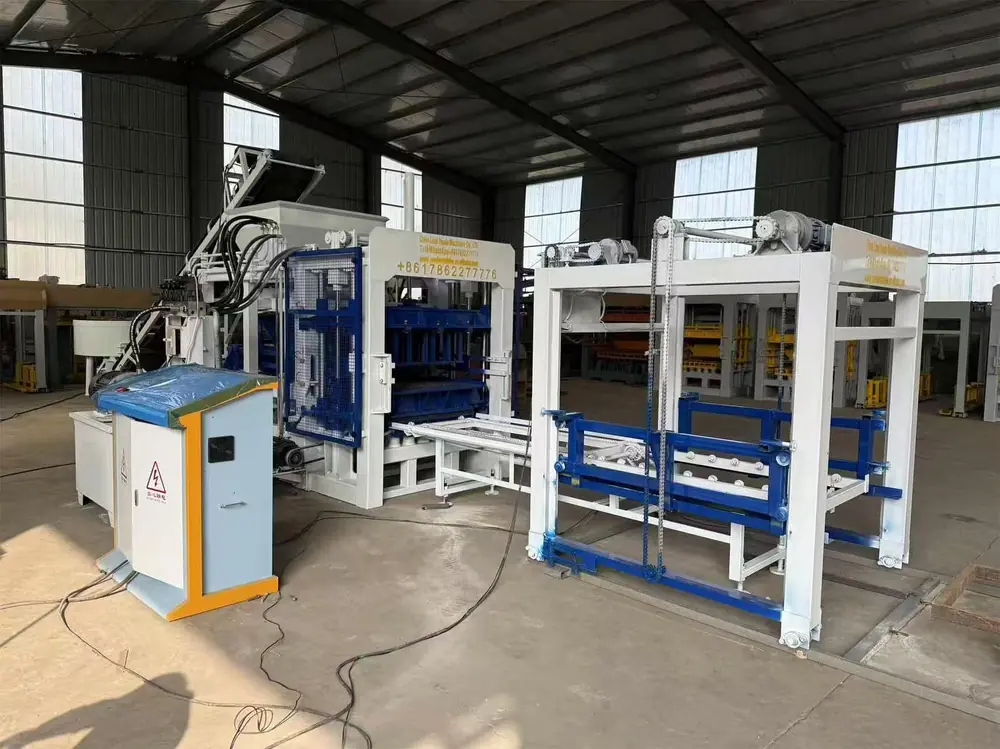
1.1 Determining Your Daily Output and Output Capacity Requirements
Calculating output requirements involves assessing local market demand, project delivery deadlines, and daily operational hours. Production capacity is measured by the number of standard blocks (such as standard 8-inch hollow blocks) produced per cycle and per 8-hour shift.
- Cycle Time: Standard hydraulic concrete block making equipment operates at 15 to 25 seconds per cycle.
- Daily Target Formula: Blocks Per Cycle × Cycles Per Hour × Operating Hours × Efficiency Rate (85%).
- Peak Demand Cushion: Sizing the plant for 20–30% above your baseline projection guarantees consistent supply during high-demand construction seasons without running machinery beyond its rated duty cycle.
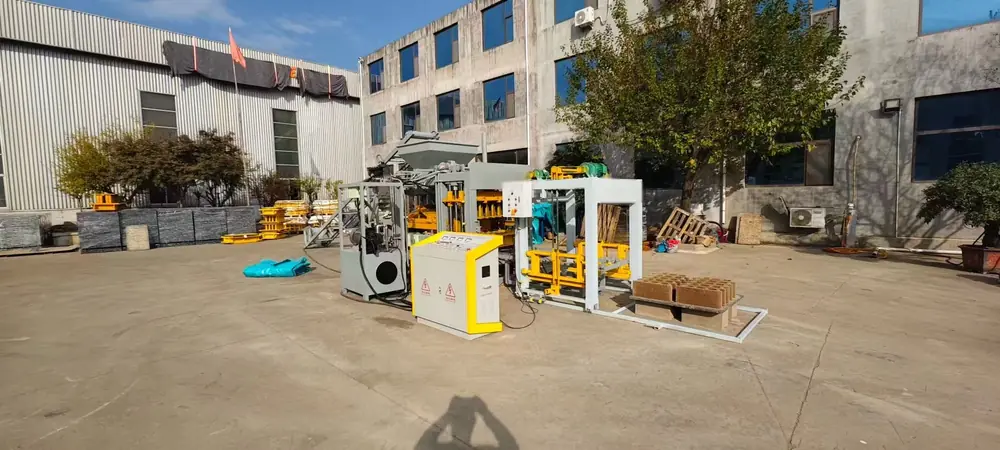
1.2 Matching Machine Types: Manual, Semi-Automatic, or Fully Automatic
Different machine configurations balance labor costs against automated output speed. Selecting the right automation level depends on your target volume, available labor force, and capital allocation.
| Machine Type | Daily Output (8-Hour Shift) | Labor Required | Best For |
|---|---|---|---|
| Manual / Egg-Layer | 500 – 2,000 blocks | 4 – 6 workers | Small rural projects, startup budgets, low power zones |
| Semi-Automatic | 3,000 – 8,000 blocks | 3 – 5 workers | Growing regional suppliers, commercial contractors |
| Fully Automatic | 10,000 – 25,000+ blocks | 1 – 2 operators | Industrial manufacturers, large infrastructure projects |
- Manual & Mobile Machines: Low entry cost with high manual labor reliance; ideal for on-site batch manufacturing.
- Semi-Automatic Systems: Core forming and hydraulic compression are automated, while pallet feeding and raw material batching require manual intervention.
- Fully Automatic Lines: Integrated with PLC control systems, automatic aggregate batchers, concrete mixers, and block stackers for maximum precision and minimal labor dependency.
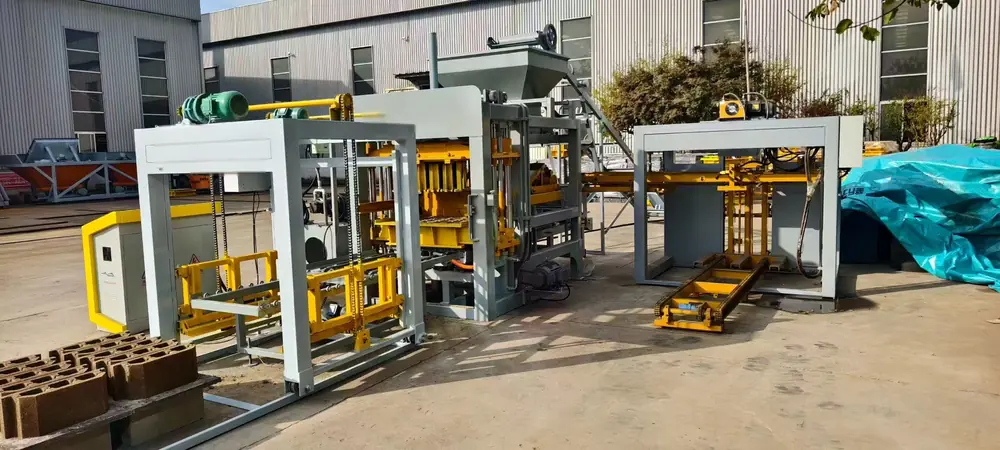
1.3 Scalability for Future Expansion and Production Upgrades
A production facility must accommodate business growth without requiring a complete machine replacement. Choosing a modular cement block machine ensures seamless component integration as demand escalates.
- Modular Upgrades: Verify that the primary machine chassis supports retrofitting automated pallet feeders, finger cars, and robotic cubers later.
- Mixer and Batcher Compatibility: Ensure the initial raw material mixing unit can feed upgraded press lines without creating production bottlenecks.
- Hydraulic and Electrical Headroom: Select base platforms equipped with scalable PLC software and hydraulic power packs designed to support higher-tonnage press cycles and faster mold frequencies.
2. What Raw Materials and Block Types Can the Machine Process?
Before investing in a cement block machine, I always evaluate its flexibility regarding end products and aggregate types. A truly versatile machine allows you to shift production between different masonry units without heavy retooling costs. Investing in modern concrete block making equipment ensures you can pivot your business quickly when market demand shifts.
2.1 Versatility for Producing Hollow, Solid, and Paver Blocks
A top-tier unit must handle various block profiles to maximize market reach. When selecting equipment, verify that a single machine base can produce:
- Hollow Blocks: Standard load-bearing and non-load-bearing units for commercial and residential walls. Our specialized hollow block making machine guide highlights how targeted vibration profiles maintain uniform wall thickness.
- Solid Blocks: Dense structural blocks used for foundations and heavy infrastructure.
- Interlocking Pavers: High-density paving stones, including zig-zag, uni-pavers, and curb units for roadways and landscaping.
- Specialty Blocks: Retaining wall blocks, fly ash bricks, and customized architectural profiles.
2.2 Raw Material Compatibility and Recommended Mortar Ratios
Operating costs depend heavily on the local availability of aggregates. Modern equipment processes a wide spectrum of raw material requirements with standard mix designs:
| Aggregate Type | Standard Mix Ratio (Cement : Aggregate : Sand) | Primary Application |
|---|---|---|
| Crushed Stone / Gravel | 1 : 3 : 5 | Heavy-duty solid blocks & load-bearing walls |
| Sand & River Silt | 1 : 4 : 4 | Standard hollow building blocks |
| Fly Ash & Lime | 1 : 2 : 6 (with gypsum) | Lightweight, eco-friendly green building bricks |
| Cinder & Slag | 1 : 3 : 4 | Lightweight insulation blocks |
| Quarry Dust | 1 : 2 : 3 | High-strength interlocking pavers |
The machine must feature an adjustable hydraulic pressure system and multi-directional vibration to handle varying aggregate densities without compromising block strength.
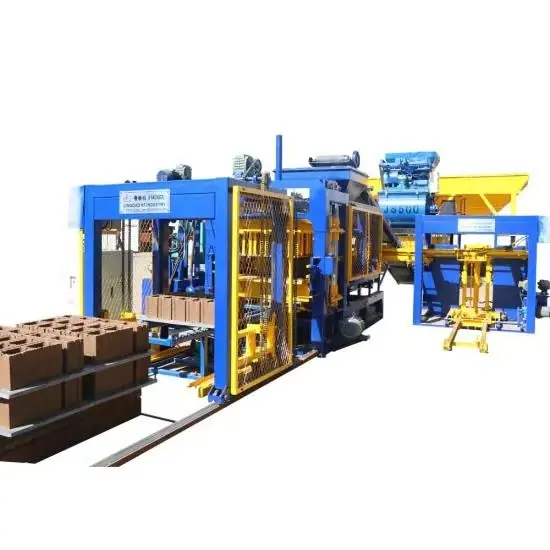
2.3 Mold Customization, Sizes, and Mold Changeover Efficiency
Mold flexibility dictates your daily operational agility. Custom mold fabrication allows you to meet exact regional dimensional standards (such as 4-inch, 6-inch, and 8-inch blocks).
- Heat-Treated Steel Molds: Look for molds treated with carburizing or high-frequency quenching technologies to achieve a surface hardness of 58–62 HRC, ensuring a lifespan exceeding 100,000 production cycles.
- Fast Changeover Design: Modern hydraulic setups reduce mold swap times to under 30 minutes, drastically cutting downtime compared to older setups that rely on a standard manual mold change process.
- Dimensional Accuracy: Precision-machined cavity walls guarantee that every finished unit maintains sharp edges and exact tolerances for hassle-free on-site construction.
3. What Is the Total Cost of Ownership (TCO) and Expected ROI?
Calculating the Total Cost of Ownership (TCO) goes far beyond looking at the baseline invoice price. When buying a cement block machine, we must evaluate the full financial cycle—from upfront acquisition to daily operating overhead—to secure steady profit margins and protect our capital.
3.1 Breakdown of Initial Investment: Equipment, Shipping, and Setup
The initial capital expenditure involves several upfront items that extend past the machine frame itself:
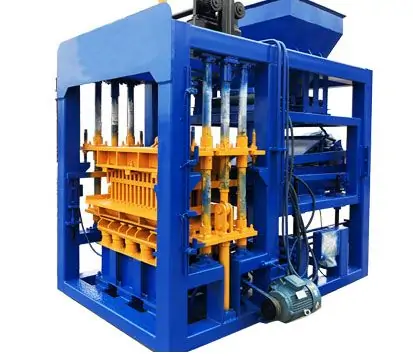
- Primary Machinery and Tooling: The core unit, hydraulic power pack, control panel, batching plant, and initial mold sets.
- Freight and Import Logistics: Ocean shipping rates, container loading fees, port handling charges, import duties, and regional inland transport.
- Site Preparation and Commissioning: Reinforced concrete foundations, dedicated power distribution panels, water supply plumbing, and initial technician installation fees.
Before placing an order, consult our comprehensive concrete block machine price guide and cost breakdown to verify every line item and keep budget projections accurate.
3.2 Hidden Operational Costs: Energy Consumption, Labor, and Maintenance
Ongoing operational expenses dictate day-to-day profitability. Factoring in utility loads and routine wear helps avoid unexpected budget drains.
| Cost Category | Major Cost Drivers | Impact on TCO |
|---|---|---|
| Power Consumption | Hydraulic motors, directional vibration motors, batch mixers, air compressors | High continuous expense; energy-efficient motors reduce kilowatt-hour draw |
| Direct Labor | Batching operators, machine controllers, yard stackers, forklift drivers | Dependent on automation level; automatic lines drastically cut daily payroll |
| Wear & Spare Parts | Mold wear plates, tamper heads, vibration springs, hydraulic seals, oil filters | Standardized components lower ongoing maintenance costs and prevent downtime |
Regular preventive servicing keeps high-stress assemblies running smoothly and prevents minor component wear from escalating into expensive mechanical failures.
3.3 ROI Timeline and Financial Risk Avoidance
A realistic Return on Investment (ROI) depends on local block pricing, continuous plant utilization, and effective raw material sourcing.
- Payback Horizon: Standard operations running single shifts typically hit full capital recovery within 8 to 14 months under steady local building demand.
- Margin Calculation: Net profit per unit equals selling price minus aggregate mix cost (cement, sand, aggregates), utility share, labor allocation, and depreciation.
- Risk Mitigation: Choosing scalable, modular equipment allows plants to launch with a lower initial outlay and expand automation as volume grows, safeguarding cash flow against market fluctuations.
Why Asking the Right Questions Matters Before Buying a Cement Block Machine
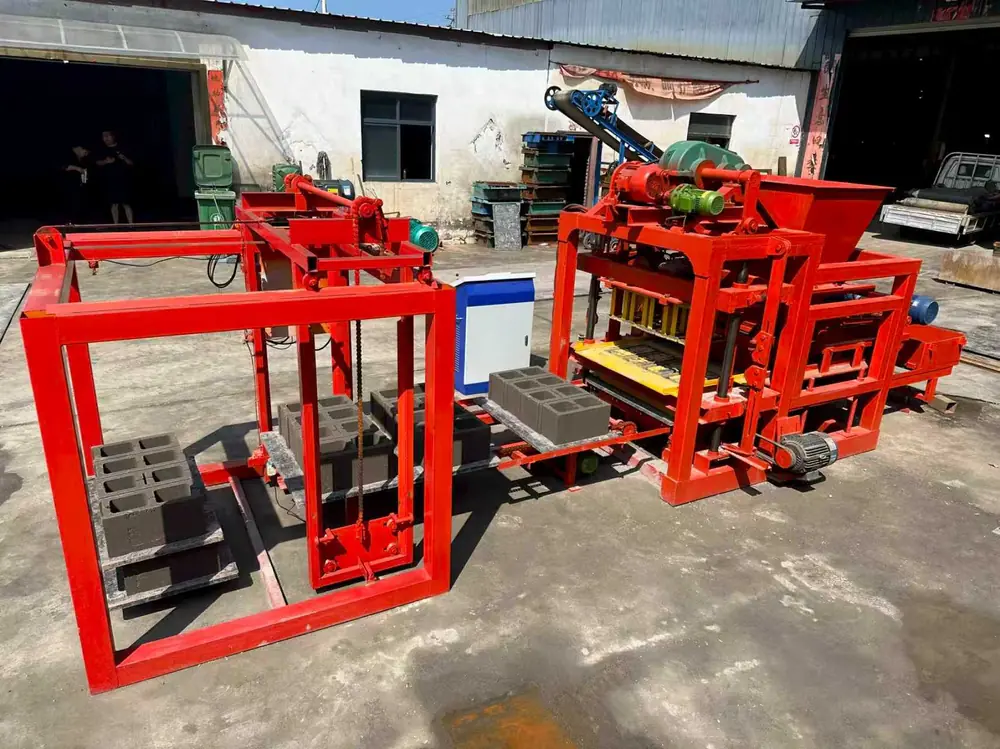
Investing in a cement block machine sets the foundation for your plant’s profitability, daily yield, and long-term viability. Rushing into a purchase without vetting equipment capabilities often leads to mismatched production capacities, unexpected downtime, and inflated maintenance costs. Asking targeted technical and financial questions upfront ensures that your concrete block making equipment aligns with your specific market demands from day one.
Understanding the Impact of Equipment Choice on Your Business
The machinery you select dictates your production speed, unit cost, and product quality. A well-matched system delivers consistent compressive strength and smooth surface finishes, allowing you to secure commercial contracts and maintain healthy margins.
- Production Consistency: Advanced hydraulic compression and synchronized vibration systems ensure every block meets structural load-bearing standards.
- Labor Efficiency: Selecting the right automation level—from semi-automatic units to a fully automatic block machine—directly controls your ongoing payroll overhead.
- Product Flexibility: Versatile setups let you switch between standard hollow blocks, solid bricks, and pavers using interchangeable molds to capture multiple revenue streams.
- Market Competitiveness: Comparing cement block machines rated by output and price helps you balance initial capital outlay against long-term operational efficiency.
Avoiding Common Financial and Operational Pitfalls
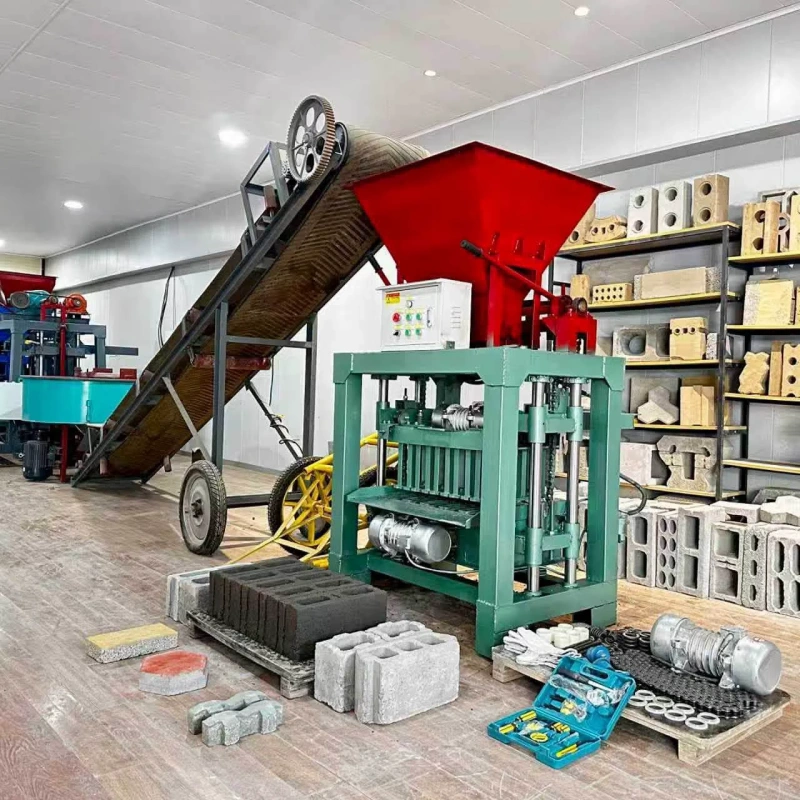
Equipment failure in the block-making business quickly eats through profit margins. Thorough supplier evaluation helps you steer clear of expensive operational traps.
| Pitfall | Operational Impact | Preventive Action |
|---|---|---|
| Undersized Output Capacity | Inability to fulfill bulk contractor orders on time | Audit local market demand before setting target output capacity |
| Material Incompatibility | High block breakage rates and mold wear | Verify compatibility with local sand, fly ash, quarry dust, and aggregate sizes |
| Proprietary Spare Parts | Extended factory shutdowns awaiting custom components | Prioritize standard hydraulic and electrical components (e.g., Siemens, Schneider) |
| Inadequate Power Supply | Voltage drops, burnt motors, and hydraulic stall | Verify total kilowatt demands and stable voltage requirements beforehand |
Taking the time to ask critical questions regarding raw material requirements, warranty packages, and mechanical specs prevents costly retrofits and keeps your concrete manufacturing business profitable.
1. What Production Capacity and Yield Output Do I Need?
Selecting the right cement block machine starts with calculating your real daily target. Purchasing concrete block making equipment with too little capacity leads to missed project deadlines, while an oversized plant ties up valuable working capital in unused machinery.
Matching Machine Capacity to Local Market Demand
To establish your baseline production capacity, evaluate current regional demand across residential and commercial sectors. Block yield is standardly calculated across an 8-hour working shift based on standard 8-inch (400x200x200mm) hollow blocks or standard pavers.
- Small-scale operations: Target 1,000 to 3,000 blocks per shift for local rural construction or specialized paving projects.
- Medium-scale plants: Target 4,000 to 9,000 blocks per shift to serve municipal contractors and regional distributors. Evaluating balanced setups like the QT6-15 block machine capacity and specifications helps identify practical production baselines for this tier.
- Industrial-scale producers: Target 10,000 to 25,000+ blocks per shift for major infrastructure and commercial supply networks.
Fully Automatic, Semi-Automatic, or Manual: Which Fits Your Scale?
Your automation level dictates direct labor requirements, cycle speed, and long-term output consistency. Choosing between these configurations depends directly on your operational budget and local labor availability.
| Configuration | Output per Shift (8h) | Labor Required | Ideal Operational Scenario |
|---|---|---|---|
| Manual / Small Mobile | 500 – 1,500 blocks | 4 – 6 workers | Low budget, startup operations, remote sites with limited grid power. |
| Semi-Automatic | 2,500 – 7,000 blocks | 3 – 5 workers | Established businesses needing steady yields via a reliable semi-automatic block machine without massive initial capital expense. |
| Fully Automatic | 8,000 – 25,000+ blocks | 1 – 2 operators | High-volume industrial plants requiring PLC automation, batching plants, and continuous pallet handling. |
3. What Is the Total Cost of Ownership (TCO)?
When I look at investing in a cement block machine, the sticker price on the invoice never tells the full financial story. Calculating the Total Cost of Ownership (TCO) gives a true picture of what the setup demands from day one through years of heavy production. Focusing only on the initial quote often leads to unexpected cash crunches, so I always factor in every phase of capital and recurring expenditure.
Evaluating Initial Purchase, Shipping, and Installation Costs
The initial investment for concrete block making equipment goes far beyond machine fabrication. To secure an accurate budget baseline, I categorize setup costs into clear, non-negotiable milestones:
- FOB vs. CIF Pricing: Always clarify whether your equipment price covers port delivery, ocean freight, container loading, and marine transit insurance.
- Import Duties and Clearing: Local customs tariffs, port handling fees, and inland transport from port to plant site can add 15% to 35% to equipment totals.
- Site Preparation and Foundation: Heavy hydraulic systems and high-frequency vibration tables require reinforced concrete slabs and designated curing yards.
- Commissioning and Setup: Factor in electrical grid hookups, water lines, transformer installations, and technician dispatch for on-site alignment.
To understand unit-level financial feasibility before committing capital, I evaluate how much does it cost to make a concrete block under localized material and labor conditions.
| Cost Component | Capital Allocation | Primary Considerations |
|---|---|---|
| Machinery & Tooling | 50% – 60% | Base machine, core molds, hydraulic station, mixer |
| Logistics & Clearing | 15% – 25% | Ocean freight, customs clearance, transit insurance |
| Civil Works & Utility | 10% – 15% | Reinforced slab, curing yard, 3-phase power drops |
| Commissioning & Training | 5% – 10% | Engineer fees, operator training, test batches |
Estimating Daily Operational, Energy, and Maintenance Expenses
Day-to-day operating expenses dictate long-term profit margins. A fully automatic block machine reduces reliance on manual labor, but it demands consistent electrical capacity and structured servicing schedules to maintain peak machine performance.
- Energy Consumption: Industrial vibrators, hydraulic motors, and batch mixers draw significant electrical load. If local grid power is unstable, the cost of running a heavy-duty diesel generator must be built into unit calculations.
- Labor Overhead: Modern setups streamline staff from 12 down to 3–4 operators, including mixer handlers, forklift drivers, and a line supervisor.
- Wear Parts and Maintenance Costs: Molds, liner plates, tamper heads, and hydraulic seals naturally wear down under continuous pressure and abrasive aggregate contact. I budget 3% to 5% of the machine value annually for routine wear-and-tear replacements.
- Preventive Lubrication and Filters: Routine hydraulic oil top-ups, filter replacements, and mechanical greasing prevent unexpected downtime and expensive cylinder rebuilds.
4. What Automation Level and Technical Features Are Included?
When shopping for a cement block machine, you need to look under the hood. The engineering driving the equipment determines block strength, cycle speed, and operating overhead. Evaluating the mechanical and electrical core ensures you choose concrete block making equipment that keeps running reliably with minimal downtime.
Comparing Hydraulic Systems, Vibration Tech, and Control Panels
The core components define daily operational stability and end-product density. Here is how standard and high-performance setups compare:
| Core Component | Basic Setup | Advanced Industrial Standard | Performance Impact |
|---|---|---|---|
| Hydraulic System | Single pump, basic proportional valves | Dual-circuit high-pressure hydraulics with oil cooling | Faster cycle times, smoother mold demolding, and consistent pressure |
| Vibration Tech | Fixed-frequency mechanical vibration | Multi-axis high-frequency synchronized table vibration | Higher block compaction density, uniform strength, and cement savings |
| Control Panel | Relay switches / Basic buttons | Siemens or Schneider PLC with multilingual touchscreen interface | One-touch recipe storage, automatic fault detection, and less operator error |
Key factors to verify include:
– Hydraulic pressure balance: Stable pressure delivers uniform block height across every cycle.
– Vibration distribution: Proper synchronous vibration ensures concrete slurry distributes evenly without leaving air pockets inside hollow blocks.
– PLC programmability: Modern control units let you fine-tune vibration duration, feeder box speeds, and compaction pressure for different product types. If you are balancing operational speed against equipment complexity, reviewing our comprehensive how to choose a block making machine guide helps simplify your selection process.
Future-Proofing with Smart Features and Energy Efficiency
Investing in modern machinery means building long-term cost advantages into your daily operations. A modern fully automatic block machine integrates smart subsystems designed to protect both the machine and your margins:
- Variable Frequency Drive (VFD) Motors: Reduce power spikes during start-up, protect the electrical grid, and save up to 25% in overall energy consumption.
- Real-Time Fault Diagnostics: Visual alarms display exact sensor triggers or pressure drops immediately, eliminating guesswork during maintenance.
- Remote Cloud Connectivity: Allows off-site engineers to update software parameters, perform diagnostics, and resolve operational glitches without expensive on-site visits.
- Modular Upgradability: Lets you easily integrate automatic pallet stackers, batching plants, or robotic cubers as your production volume scales.
5. Does the Equipment Meet International Quality and Safety Standards?
Investing in a cement block machine requires strict verification of safety, build quality, and manufacturing standards. Uncertified concrete block making equipment often leads to frequent hydraulic failures, electrical hazards, and finished blocks that fail basic structural inspections.
Decoding Essential Certifications: ISO, CE, and ASTM
Before finalizing any supplier contract, verify the following core certifications to guarantee machine reliability and operator safety:
- ISO 9001 Certification: Confirms that the manufacturer follows standardized quality management systems during the engineering and assembly of your fully automatic block machine or semi-automatic plant.
- CE Marking: Mandatory for electrical and mechanical safety. It ensures the hydraulic valves, vibration motors, and automated control panels meet rigorous international safety directives, including emergency shut-off protocols.
- ASTM International Standards: While machine builds follow industrial standards, the equipment must produce blocks matching ASTM C90 (load-bearing concrete masonry units) or ASTM C140 (sampling and testing concrete units) regarding compressive strength and water absorption.
| Standard / Mark | What It Governs | Why It Matters for Your Business |
|---|---|---|
| ISO 9001 | Factory Production & QA | Guarantees consistent build quality and genuine parts. |
| CE Mark | Operational Safety & Electrics | Prevents industrial accidents and electrical blowouts. |
| ASTM C90 / C140 | Finished Block Strength | Ensures commercial blocks pass local structural audits. |
Ensuring Machine Compliance with Regional Building Codes
A block machine must produce units that align directly with your regional construction regulations. Local infrastructure projects and commercial builders reject blocks that deviate even slightly in density, thermal resistance, or dimensions.
- Compression & Vibration Calibration: Verify that the machine’s hydraulic pressure and high-frequency vibration tables achieve the exact Megapascals (MPa) required by your local building authorities.
- Dimensional Accuracy: High-grade CNC-machined molds prevent structural defects and maintain strict tolerance limits across high-volume production cycles.
- Regulatory Planning: When learning how to start a block machine business successfully, securing certified equipment early ensures your products immediately qualify for municipal tenders and commercial construction contracts.
6. What Are the Installation, Utility, and Space Requirements?
Setting up a reliable production plant requires planning your site layout and utilities before delivery. A high-performing cement block machine demands adequate floor space, solid structural foundations, and a stable utility grid to run at full capacity.
Calculating Facility Footprint and Foundation Needs
Your plant layout must accommodate more than just the machine frame. You need distinct zones for raw material storage (aggregates, sand, and cement), mixing platforms, wet block transport, curing yards, and finished stock inventory.
- Foundation Depth: Heavy vibration from hydraulic compactors requires a reinforced concrete foundation (at least 200mm to 300mm thick) to prevent structural cracking and uneven block density.
- Curing Yard Allocation: Curing requires the largest surface area. A facility producing 5,000 blocks per day generally needs at least 1,500 to 2,500 square meters of flat ground for stacking and curing cycles.
- Logistics and Turning Radius: Ensure wide access paths (minimum 4 to 6 meters) for wheel loaders, forklifts, and delivery trucks.
| Plant Setup Tier | Production Area | Curing & Storage Yard | Total Recommended Land |
|---|---|---|---|
| Manual / Small Scale | 100 – 150 m² | 500 – 800 m² | 800 – 1,200 m² |
| Semi-Automatic Line | 250 – 400 m² | 1,500 – 2,500 m² | 2,000 – 3,500 m² |
| Fully Automatic Plant | 500 – 1,000 m² | 3,000 – 6,000 m² | 4,000 – 8,000+ m² |
When planning layout scale for high-yield operations, reviewing the physical footprint of the best QT concrete block making machines rated by output helps match equipment dimensions to land availability accurately.
Assessing Power Supply, Water, and Air Compressor Demands
Industrial concrete block making equipment depends on steady power and uninterrupted utility feeds to avoid batch spoilage and mechanical wear.
- Electrical Power: Most commercial machines require a 3-phase industrial power supply (380V–440V, 50/60 Hz). Calculate the total connected load (mixers, conveyors, hydraulic pumps, and vibration motors) and install a heavy-duty industrial diesel generator to handle grid fluctuations.
- Water Supply & Pressure: Continuous water flow is necessary for concrete mixing and spray curing. Test local water quality; high mineral or salt content weakens the final compressive strength of the blocks.
- Pneumatic Requirements: Modern fully automatic block machine setups utilize pneumatic valves for pallet feeding, mold locking, and discharge gates. Ensure your air compressor delivers the required CFM (cubic feet per minute) and operating pressure (typically 0.6–0.8 MPa) specified by the manufacturer.
7. What After-Sales Support, Spare Parts, and Warranty Are Provided?
Investing in a cement block machine is a long-term commitment where operational uptime directly dictates profitability. Even minor equipment breakdowns halt entire production lines, turning comprehensive warranty and service packages into vital safeguards against costly factory downtime.
Evaluating Supplier Response Time and On-Site Technician Availability
A dependable manufacturer supports production long after the initial delivery. Rigorous supplier evaluation must focus on actionable technical support rather than vague promises:
- Defined Response Times: Demand clear Service Level Agreements (SLAs) guaranteeing remote troubleshooting support within 2 to 4 hours.
- On-Site Installation & Training: Verify that factory-trained technicians provide on-site foundation setup, hydraulic calibration, and operational training for your local crew.
- Remote Diagnostic Capabilities: Ensure the machine’s PLC interface supports remote cloud diagnostics to resolve software faults instantly.
When scaling production or selecting a workhorse model, as detailed in our guide comparing QT4-15 vs QT6-15 vs QT8-15 which block machine is right for you, responsive field support makes all the difference in sustaining daily output targets.
Checking Component Standardization and Spare Parts Inventory
Unstandardized, proprietary components create supply chain bottlenecks. Securing accessible replacement hardware controls long-term maintenance costs and ensures uninterrupted operations.
| Evaluation Area | Standard Requirement | Operational Benefit |
|---|---|---|
| Component Standardization | Globally recognized brands (Siemens, Schneider, Yuken) | Parts can be sourced locally without waiting weeks for overseas freight. |
| Starter Spare Parts Kit | Proximity switches, solenoid valves, hydraulic seals, and tamper head liners | Immediate resolution for normal wear-and-tear items during the first year. |
| Warranty Terms | Comprehensive structural warranty (min. 12–24 months) | Covers machine frames, hydraulic blocks, and core vibration systems against defect. |
Prioritizing standardized builds and direct access to critical spares ensures your concrete block making equipment operates at peak efficiency year after year.
8. Can I Audit the Factory or Inspect the Machine Before Purchase?
Verifying production standards before dispatch is the most reliable way to protect your capital. When sourcing a cement block machine, I always insist on a comprehensive factory audit and operational trial run. A reputable manufacturer will welcome your inspection, whether you visit the workshop floor in person or conduct a live remote assessment.
Key Protocols for On-Site or Remote Factory Audits
A proper factory audit confirms whether the supplier actually manufactures the equipment or merely operates as an intermediary. Before committing funds, evaluate these critical areas:
- Production Facility & Scale: Review CNC machining centers, heat-treatment facilities, automated welding bays, and raw steel plate thicknesses.
- Component Standardization: Check brand authenticity on hydraulic valves, Siemens motors, PLC screens, and electrical cabinets.
- Quality Control Checkpoints: Ensure the plant conducts ultrasonic flaw detection on weld seams and rigorous pressure tests on hydraulic manifolds.
- Virtual Audit Protocol: If you cannot travel internationally, schedule a real-time, interactive video walkthrough. Direct the engineer to show you specific serial numbers, stock parts, and live assembly lines.
Understanding these technical distinctions becomes much simpler when you review how various types of cement block machines are engineered and assembled.
Testing Machine Performance and Block Quality Before Payment
Never release the final balance until your concrete block making equipment passes both a dry cycle and a wet trial run.
| Inspection Step | Key Checkpoints | Target Standard |
|---|---|---|
| Dry Run Test | Hydraulic cylinders, feeder box, pallet conveyor | Smooth motion without jerky vibration or oil leaks |
| Wet Material Test | Mold filling speed, mortar compaction, demolding | Clean release with sharp corners and zero edge crumbling |
| Cycle Speed | Complete forming cycle from feed to pallet exit | Meets specified rated output (e.g., 15–20 seconds/drop) |
| Dimensional Accuracy | Height, width, and wall thickness variance | Tolerance within ±1.0 mm across the entire pallet |
Insist on a continuous 30-minute operational test using aggregate mix. Measure the “green” compressive strength immediately after demolding to confirm that the vibration system delivers the compaction density required for commercial-grade blocks.
9. What Is the Expected Return on Investment (ROI) and Payback Period?
Calculating your payback period before purchasing a Cement Block Machine prevents cash flow bottlenecks and validates your capital allocation. In the commercial brick and block sector, calculating ROI requires balancing direct output volume against total operating overhead.
Payback Period (Months) = Total Initial Capital Investment / Net Monthly Cash Inflow
- Gross Margin Drivers: Unit market selling price minus combined raw material costs (cement, aggregates, water, additives).
- Net Margin Deductions: Operating labor, energy expenditure, pallet wear, and scheduled maintenance allocations.
Calculating Daily Yield vs. Operating Margin
To find real operating margins, evaluate daily production capacity alongside daily operating expenses across an 8-hour production shift:
| Metric | Semi-Automatic Line | Fully Automatic Line |
|---|---|---|
| Daily Output (Standard 8″ Hollow Blocks) | ~3,000 – 5,000 pcs | ~10,000 – 18,000 pcs |
| Direct Labor Headcount | 5 – 8 Workers | 2 – 3 Operators |
| Material Cost Ratio | 65% – 70% of Unit Price | 60% – 65% (Tighter batching) |
| Average Net Profit Per Unit | $0.12 – $0.18 | $0.18 – $0.25 |
| Estimated Daily Net Income | $450 – $900 | $1,800 – $4,500 |
Achieving peak yield depends on high-performance concrete block machine configurations that minimize cycle times and eliminate material wastage during continuous mixing and molding cycles.
Real-World ROI Scenarios for Block Manufacturing Plants
Financial recovery models shift depending on operational scale, market demand, and automation investment:
- Entry-Level Commercial Setup (Semi-Automatic):
- Initial capital setup of $25,000 – $45,000.
- Operating at 70% continuous capacity with strong local construction demand yields a full capital payback within 6 to 9 months.
- Industrial Turnkey Production Line (Fully Automatic):
- Initial capital setup of $90,000 – $220,000.
- Lower labor overhead, high-speed automated stacking, and bulk raw material purchasing compress unit costs, delivering total capital amortization within 8 to 14 months.
Analyzing these metrics against regional building activity helps verify local cement block machine profitability and ensures your production targets align with realistic market absorption rates.
10. How to Finalize Your Purchase: A Step-by-Step Selection Checklist
Finalizing the acquisition of a cement block machine requires a structured approach to ensure you secure reliable machinery at fair terms. Closing the deal is about locking in performance benchmarks, warranty commitments, and realistic fulfillment schedules.
Comparing Top Global Manufacturers and Quotes
When evaluating proposals for concrete block making equipment, line up quotes side-by-side to assess real value rather than just the lowest initial price tag.
| Evaluation Metric | Key Inspection Criteria | Why It Matters |
|---|---|---|
| Core Build Quality | Structural steel thickness, hydraulic pressure ratings, vibration frequency | Directly impacts machine performance and operating lifespan |
| Component Brands | International standard brands for PLCs, motors, and hydraulic valves (e.g., Siemens, Schneider) | Ensures easy sourcing of local replacement parts |
| Scope of Supply | Inclusion of batchers, mixers, conveyor belts, stackers, and molds | Prevents unforeseen auxiliary equipment expenses |
| Automation Level | Semi-automatic controls vs. fully integrated PLC automation | Dictates labor requirements and long-term production capacity |
Conducting a thorough supplier evaluation involves verifying client references, factory manufacturing standards, and export track records. Learn more about our manufacturing standards to see how high-grade steel fabrication and strict quality controls protect your capital investment.
Negotiating Terms, Guarantees, and Delivery Timelines
Before signing a contract and issuing a deposit, negotiate every commercial term to eliminate operational risks.
- Payment Milestones: Tie payment releases to clear progress points—typically a 30% advance deposit, 60% upon video inspection or third-party factory testing, and 10% after successful on-site commissioning.
- Warranty and Service Packages: Secure at least a 12-to-24-month comprehensive warranty covering core hydraulic and structural components, along with guaranteed remote technical response within 24 hours.
- Wear Parts and Spares: Negotiate a bundled critical spare parts kit (solenoid valves, proximity switches, mold liners, and seal kits) to prevent costly downtime during early operations.
- Definite Delivery Timelines: Specify strict delivery terms (FOB or CIF), production lead times, and financial penalties for supplier-caused shipment delays.
Finalizing these terms guarantees you receive dependable machinery backed by solid support. Reach out to our technical team through our contact us page to request customized machinery specifications and verified price quotations for your plant setup.