
With Nigeria’s massive urbanization and real estate boom, the demand for quality building materials is through the roof.
If you’re looking for a high-yield business with rapid daily cash flow, entering the block molding industry is one of the smartest moves you can make today.
In this guide, you will discover the 7 reasons a cement block machine is a profitable investment in Nigeria—along with the exact machine types, setup costs, and profit breakdowns you need to build a thriving business.
Let’s dive right in.
7 Key Reasons a Cement Block Machine Is a Profitable Investment in Nigeria
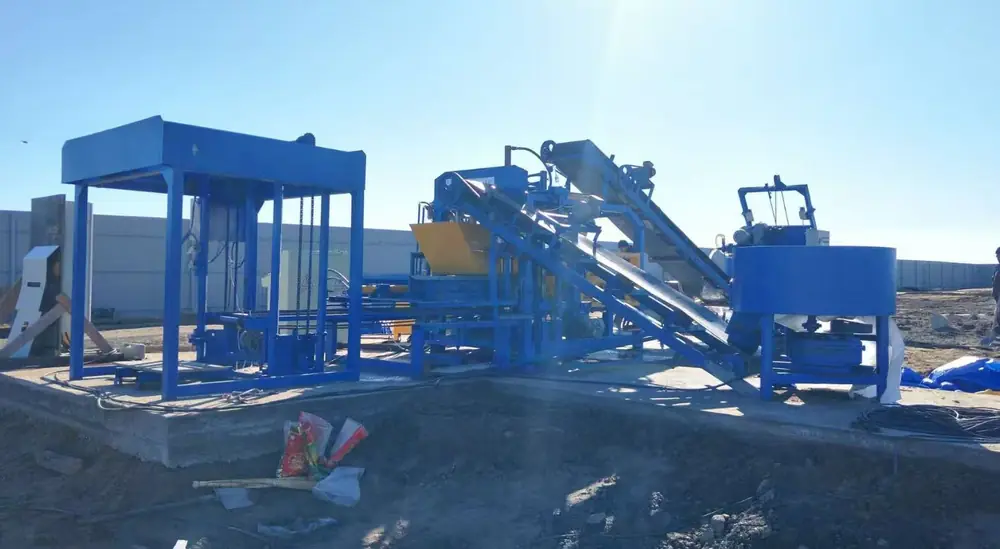
The Nigerian construction industry is experiencing rapid expansion, making concrete block manufacturing one of the most lucrative ventures in the country. Investing in a modern cement block machine gives commercial producers and project developers a strong competitive advantage in a high-demand market.
[ Nigeria’s Construction Boom ]
│
▼
[ High Daily Demand for Quality Blocks ]
│
▼
┌───────────────────────────────────────────┐
│ Modern Cement Block Machine Setup │
├─────────────────────┬─────────────────────┤
│ Operational Gains │ Financial Gains │
├─────────────────────┼─────────────────────┤
│ • High daily output │ • 30%+ profit margin│
│ • Uniform density │ • Fast ROI (6-12 mo)│
│ • Multi-block molds │ • Low labor costs │
└─────────────────────┴─────────────────────┘
1. High Demand Driven by Nigeria’s Urbanization and Real Estate Growth
Nigeria faces a housing deficit exceeding 28 million units, driving continuous residential and commercial development across major commercial hubs such as Lagos, Abuja, Port Harcourt, Kano, and Ibadan.
- Constant Consumption: Sandcrete blocks constitute over 90% of wall partition materials in local building construction.
- Large-Scale Infrastructure: Rapid development of estates, commercial plazas, and industrial parks ensures an ongoing demand for reliable block suppliers.
- Non-Cyclical Market: While general retail fluctuates, local building materials maintain year-round sales velocity.
2. Rapid Return on Investment and Strong Profit Margins
A commercial block moulding business yields predictable, daily cash flow with low capital turnaround times.
- Attractive Margins: Net profit margins consistently range between 15% and 35% per block, depending on raw material procurement efficiency.
- Short Payback Period: Well-managed production sites utilizing high-efficiency equipment typically achieve full capital recovery within 6 to 12 months.
- Cash-Based Transactions: Most commercial block sales operate on upfront payments or short credit terms, protecting operational liquidity.
3. Scalable Production Capacity to Meet Local Supply Needs
Modern block-making machinery allows business owners to match output directly to regional market demands.
| Machine Type | Typical Daily Output (8-Hour Shift) | Primary Market Application |
|---|---|---|
| Manual / Vibro-press | 800 – 1,500 blocks | Small communities, individual plot sites |
| Semi-Automatic Brick Machine | 2,500 – 5,000 blocks | Medium commercial suppliers, sub-contractors |
| Fully Automated Block Machine | 6,000 – 12,000+ blocks | Large estates, government infrastructure, major distributors |
This operational flexibility allows producers to start at manageable capacities and scale output without restructuring the entire business footprint.
4. Low Operational Costs with Locally Available Raw Materials
All key raw materials required for concrete block manufacturing are sourced domestically within Nigeria, minimizing foreign exchange dependencies.
- Stone Dust & Sharp Sand: Readily accessible from local quarries and riverbeds nationwide at competitive bulk rates.
- Cement: High-grade Portland cement is manufactured locally by domestic producers, streamlining logistical supply lines.
- Water: Easily supplied through on-site industrial boreholes, cutting recurring utility expenses to minimal power generation costs.
5. Versatility to Produce Hollow, Solid, and Interlocking Blocks
Investing in a single robust machine chassis provides multi-product revenue streams through quick-change mold systems:
- 9-Inch Hollow Blocks (225mm): The benchmark product for external load-bearing walls in residential and industrial construction.
- 6-Inch Hollow Blocks (150mm): The dominant choice for internal partition walls, parapets, and perimeter fencing.
- Solid Blocks & Paving Stones: High-density pavers and solid transfer blocks required for heavy-traffic driveways, drainage systems, and civil projects.
6. High Cost Efficiency and Quality Control Over Manual Molding
Traditional hand-molding methods suffer from inconsistent compaction, high labor overhead, and excessive breakage rates. Automated and semi-automated machinery resolves these operational challenges directly.
- Hydraulic Pressure & Vibration: Delivers uniform density and sharp edges that meet Standard Organisation of Nigeria (SON) structural requirements.
- Reduced Cement Wastage: Optimized aggregate mixing ratios ensure target compressive strengths without overusing costly cement.
- Lower Labor Overhead: A hydraulic block machine replaces large manual work crews, lowering direct payroll costs and eliminating production downtime.
7. Long-Term Machine Durability with High Resale Value
Industrial-grade block machines are constructed with heavy-gauge structural steel and wear-resistant manganese alloy molds, built to withstand harsh working environments.
- Extended Service Life: High-durability hydraulic and mechanical parts deliver years of continuous operation under proper preventive maintenance.
- Strong Secondary Market: Quality machinery retains strong residual value across the Nigerian market, providing high asset liquidity should equipment upgrades or business relocations occur.
Overview of Cement Block Machine Types and Capabilities
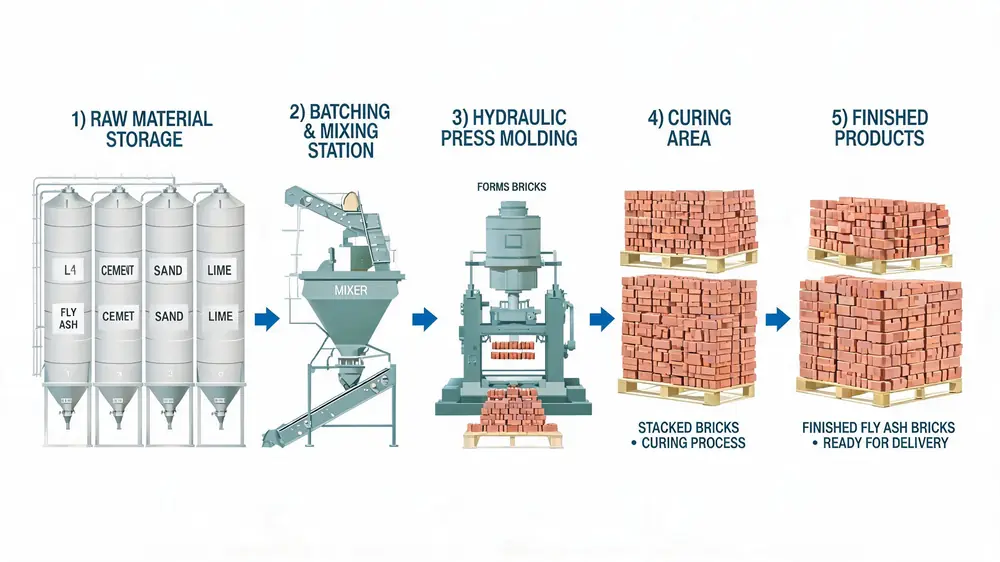
Selecting the right equipment is the foundation of any successful concrete block manufacturing setup. Understanding how different machines operate allows us to match capital investment directly with market demand, labor availability, and production targets. For an in-depth breakdown of operational mechanics and return metrics, our comprehensive concrete block machines types, operation, and ROI guide provides practical industry benchmarks.
Manual vs. Semi-Automatic vs. Fully Automatic Machines
Each machine automation level serves specific production volumes and operational budgets:
- Manual Block Machines: Rely entirely on physical labor for feeding, vibration, and demolding. They feature the lowest upfront cost but yield lower daily output and variable block density.
- Semi-Automatic Block Machines: Combine mechanical vibration and hydraulic compression with manual material loading. They strike a balance between affordability and consistent block strength.
- Fully Automatic Machines: Utilize PLC control systems, automatic aggregate batching, and hydraulic stacking. To see how these automated systems optimize plant efficiency, explore our automatic block making machine guide on features and types.
| Feature | Manual Machine | Semi-Automatic Machine | Fully Automatic Machine |
|---|---|---|---|
| Daily Output (8 hrs) | 500 – 1,000 blocks | 2,500 – 6,000 blocks | 8,000 – 20,000+ blocks |
| Labor Requirement | High (6–8 workers) | Moderate (4–6 workers) | Low (2–3 operators) |
| Quality Consistency | Moderate | High | Superior / Uniform |
| Ideal For | Small startups | Growing commercial yards | Large industrial suppliers |
Stationary vs. Mobile Egg-Laying Block Machines
- Stationary Block Machines: Fixed on concrete foundations, these units eject finished blocks onto wooden or PVC pallets. They offer higher compaction force, handle complex moulds, and integrate seamlessly into permanent manufacturing plants.
- Mobile “Egg-Laying” Machines: Move on wheels across a flat concrete floor, laying blocks directly on the ground as they travel. They eliminate the need for production pallets, reducing initial setup costs, though they require a large, smooth concrete curing yard.
Standard Mould Options: 6-Inch, 9-Inch, and Interlocking Blocks
Modern machinery relies on interchangeable moulds to adapt to shifting construction requirements:
- 9-Inch Hollow Blocks (225mm): The standard load-bearing unit for residential and commercial exterior walls.
- 6-Inch Hollow Blocks (150mm): Widely used for interior partitions, boundary fences, and lightweight structures.
- Solid Blocks: Preferred for foundation footings and high-load structural sections.
- Interlocking Paving Stones: High-density, decorative blocks for driveways, walkways, and commercial compounds, providing higher profit margins per batch.
Financial Analysis: Investment Costs and Profitability Potential
Investing in a commercial block moulding business requires a clear look at setup expenses and expected returns. When managed efficiently, a concrete block manufacturing venture generates steady cash flow and quick capital recovery due to non-stop construction activities across the country.
Initial Capital Requirements and Price Breakdown
Your initial startup capital covers machinery, land acquisition or lease, site setup, and backup power generation. Checking our concrete block machine price guide and features helps identify the exact capacity that matches your budget.
| Expense Category | Description | Estimated Budget Share (%) |
|---|---|---|
| Machinery Acquisition | Semi-automatic or automated block machine with moulds | 40% – 50% |
| Site Prep & Shed | Land grading, curing bay, and operator shelter | 15% – 20% |
| Power & Water Supply | Heavy-duty diesel generator, borehole, or water storage | 15% – 20% |
| Initial Working Capital | First batch of cement, stone dust, sand, and logistics | 15% – 20% |
For startups working with constrained budgets, a small-scale block making machine drastically lowers the entry barrier while maintaining solid production standards.
Daily Production Output vs. Revenue Calculation
Revenue depends directly on your daily production capacity and local selling prices for standard 6-inch and 9-inch units:
- Daily Production Volume: A mid-tier semi-automatic machine easily yields 2,500 to 4,000 blocks per 8-hour shift.
- Gross Unit Revenue: Selling 3,000 standard 9-inch hollow blocks daily at competitive market rates generates substantial top-line revenue.
- Turnaround Time: Quality vibrated blocks cure ready for sale within days, keeping your working capital in continuous motion.
Operational Costs: Raw Materials, Power, and Labor
Daily operational expenses break down into three primary buckets:
- Raw Materials (65% – 70% of OPEX): Cement bags, sharp sand, stone dust, and water. Formulating optimal mix ratios maximizes strength while controlling cement consumption.
- Power and Fuel (10% – 15% of OPEX): Diesel costs for running industrial generators and water pumps consistently.
- Direct Labor (10% – 15% of OPEX): Machine operators, material loaders, curing personnel, and stacking teams paid on daily or per-block output rates.
After deducting production inputs, power, and labor, well-managed operations maintain an average net profit margin of 20% to 30%, delivering full capital payback within 6 to 12 months.
Essential Steps to Start a Profitable Block Industry Business
Starting a successful block moulding business requires strategic planning, the right setup, and solid risk management. Setting up your site properly from day one protects your startup capital and keeps production running smoothly.
Selecting the Ideal Location and Water Supply System
Location directly affects your haulage expenses and sales volume in the Nigerian construction industry. Keep these site requirements in mind:
- Proximity to Active Sites: Position your yard near expanding residential developments, commercial zones, or newly laid out estates to minimize delivery distances.
- Road Accessibility: Ensure heavy-duty tippers carrying sand, granite dust, and cement can access the site year-round without getting stuck during the rainy season.
- Yard Space: Secure at least 2 to 4 plots of flat land. You need dedicated zones for aggregate dumping, machine positioning, curing racks, and finished block stacking.
- Reliable Water Source: Concrete block manufacturing requires substantial water for mixing and curing. Relying on water tankers cuts into your profit margin quickly. Drill an industrial borehole on-site and install high-capacity overhead storage tanks to maintain uninterrupted daily curing.
Choosing the Right Equipment and Supplier Support
Your machine is the engine of your business. Selecting the wrong setup leads to high scrap rates, uneven compaction, and costly downtime.
| Machine Selection Factor | What to Look For | Practical Business Benefit |
|---|---|---|
| Vibration & Hydraulic Pressure | Dual-motor vibration with balanced hydraulic pressure | Produces dense, crack-resistant blocks that pass standard building tests |
| Output Capability | Matched to your local daily target (e.g., 2,000–6,000 blocks/day) | Prevents overworking small machines or underutilizing large plants |
| Spare Parts Availability | Standardized electrical switches, seals, and hydraulic valves | Minimizes operational stops when components wear out |
Sourcing equipment requires vetting experienced manufacturers. Review our block machine China to Africa import guide to navigate shipping logistics, customs clearing, and equipment specifications effectively. Additionally, familiarize your team with routine maintenance practices and understand common cement block machine problems and repairs to keep your production line running without expensive delays.
Managing Operational Risks and Cement Price Fluctuations
Material price volatility and operational disruptions can erode margins if not actively managed. Protect your cash flow with these practical strategies:
- Bulk Procurement: Buy cement in trailer loads directly from manufacturers or primary distributors. This lowers your unit cost per bag and buffers your stock against sudden price spikes.
- Aggregate Mix Standardization: Formulate and stick to a precise aggregate ratio combining sharp sand, stone dust, and cement. This consistency delivers required load-bearing strength without overusing cement.
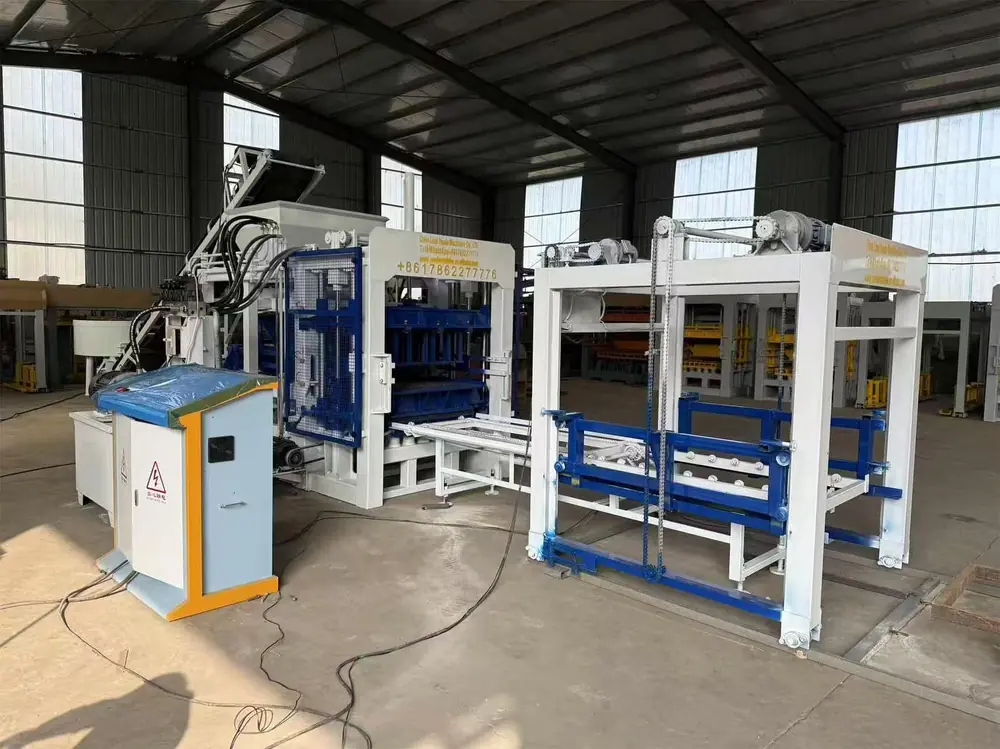
- Independent Power Supply: Grid power outages can stall wet mixes in the pan mixer. Install a reliable, heavy-duty diesel generator dedicated exclusively to your automated block machine and mixer.
- Pre-Order Deposits: Require upfront commitments from contractors and real estate builders before commencing large custom production runs. This secures your working capital and shields your operations from sudden market inflation.