
Comprehensive Guide to Importing Block Machines from China to Africa
Africa’s rapid urbanization has generated unprecedented demand for commercial, industrial, and residential construction. Sourcing a block machine China to Africa gives developers, commercial block yards, and entrepreneurs direct access to industrial-grade manufacturing equipment at competitive factory prices. Chinese manufacturing hubs deliver cost-effective, high-yield solutions engineered to perform in rugged local environments.
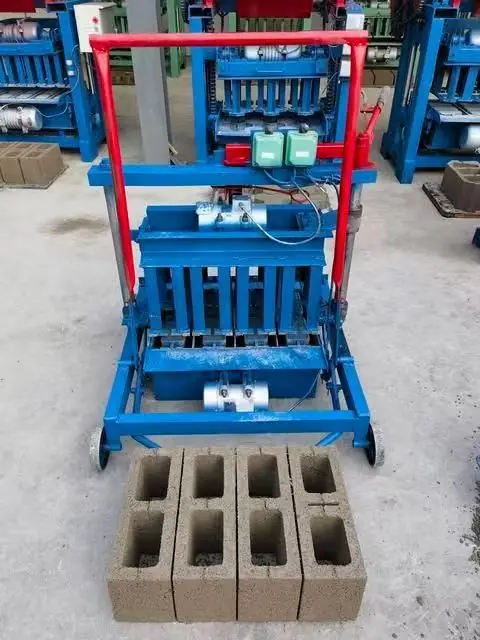
Why Import Concrete and Clay Block Machines from China
China remains the primary global manufacturing hub for heavy construction machinery, offering distinct advantages for African businesses:
- Cost-to-Performance Ratio: Machinery capital expenditure is up to 60% lower compared to European alternatives, without sacrificing mechanical reliability or output quality.
- Adaptable Technology: Systems are engineered to process various local raw materials, including river sand, crushed stone, quarry dust, fly ash, volcanic slag, and laterite soil.
- Established Logistics Corridors: Streamlined shipping routes connect major Chinese ports (Qingdao, Ningbo, Shanghai) directly to African maritime hubs like Lagos, Mombasa, Dar es Salaam, Tema, and Durban.
- Turnkey Configurations: Equipment is delivered with compatible batching plants, pan mixers, belt conveyors, and modular molds ready for rapid deployment.
Key Benefits of Chinese Block Making Equipment for the African Market
Chinese brick and cement block machines are specifically adapted to meet operational conditions across sub-Saharan Africa.
- Heavy-Duty Build Quality: Fabricated with high-grade structural steel and carbonized, heat-treated molds to resist abrasive wear from harsh aggregate mixes.
- Flexible Power Configurations: Engineered with dual-drive setups (electric motor and diesel engine options) to maintain uninterrupted production during local power outages.
- Multi-Product Versatility: Quick-change mold systems allow operators to produce hollow blocks, solid bricks, interlocking pavers, and curb stones on a single production line.
- High Production Output: Hydraulic compression combined with high-frequency core vibration ensures dense block formation with minimal cement consumption.
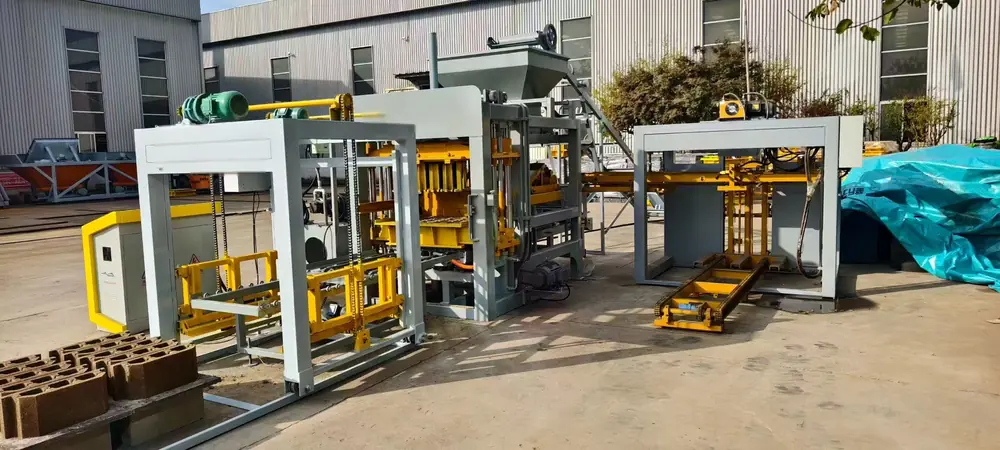
Overview of Popular Models (QT4-40, QT5-20, LMT Series)
Selecting the right model depends on your target daily output, available budget, and automation requirements. The table below outlines the primary specifications of the most widely exported block machines to the African market:
| Model Series | Automation Level | Forming Principle | Daily Production Capacity (8h Shift) | Ideal Application |
|---|---|---|---|---|
| QT4-40 | Semi-Automatic | Mechanical Vibration + Manual Lever | 3,000 – 4,800 standard hollow blocks | Startups, rural construction, small-to-medium block yards |
| QT5-20 | Fully Automatic | Hydraulic Compression + Dual-Shaft Vibration | 7,000 – 10,000 hollow blocks / 40,000 pavers | Large commercial block factories, government infrastructure |
| LMT Series | Manual / Semi-Hydraulic | Direct Pressure / Mobile Egg-Laying | 2,000 – 6,000 interlocking soil/cement bricks | Remote projects, compressed earth blocks, eco-housing |
- QT4-40 Manual/Semi-Automatic Machine: The industry standard for low-capital entry. Features simple mechanical operation, low electrical load, and fast return on investment.
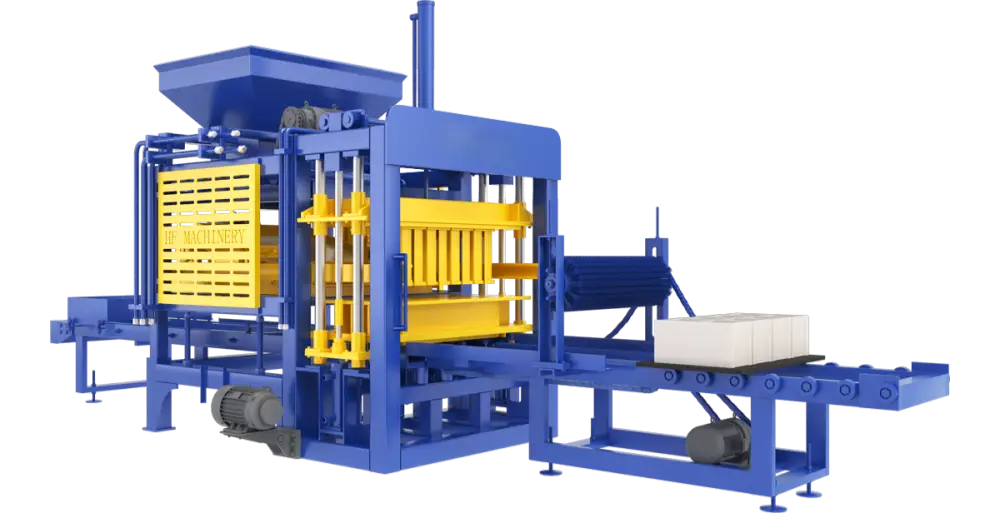
- QT5-20 Automatic Hydraulic Block Machine: Features PLC intelligent control, automatic pallet feeding, high-pressure hydraulic compaction, and high-density paver brick capability.
- LMT Series Interlocking Soil Brick Machine: Optimized for compressed earth and laterite-cement blocks, reducing raw material costs by utilizing on-site soil.
Types of Block Making Machines Exported to Africa
We design and ship a wide range of brick and block manufacturing equipment tailored to local building practices, raw material availability, and power grid realities across African nations. When sourcing a block machine China to Africa, choosing the right automation tier directly impacts your capital outlay, operating costs, and daily output.
+———————+————————-+———————————-+
| Machine Type | Daily Capacity (8h) | Best Suited For |
+———————+————————-+———————————-+
| Manual / Mobile | 800 – 2,000 pcs | Remote sites, start-ups, soil |
| Semi-Automatic | 2,000 – 6,000 pcs | Growing commercial brickyards |
| Fully Automatic | 8,000 – 25,000+ pcs | Large-scale infrastructure hubs |
+———————+————————-+———————————-+
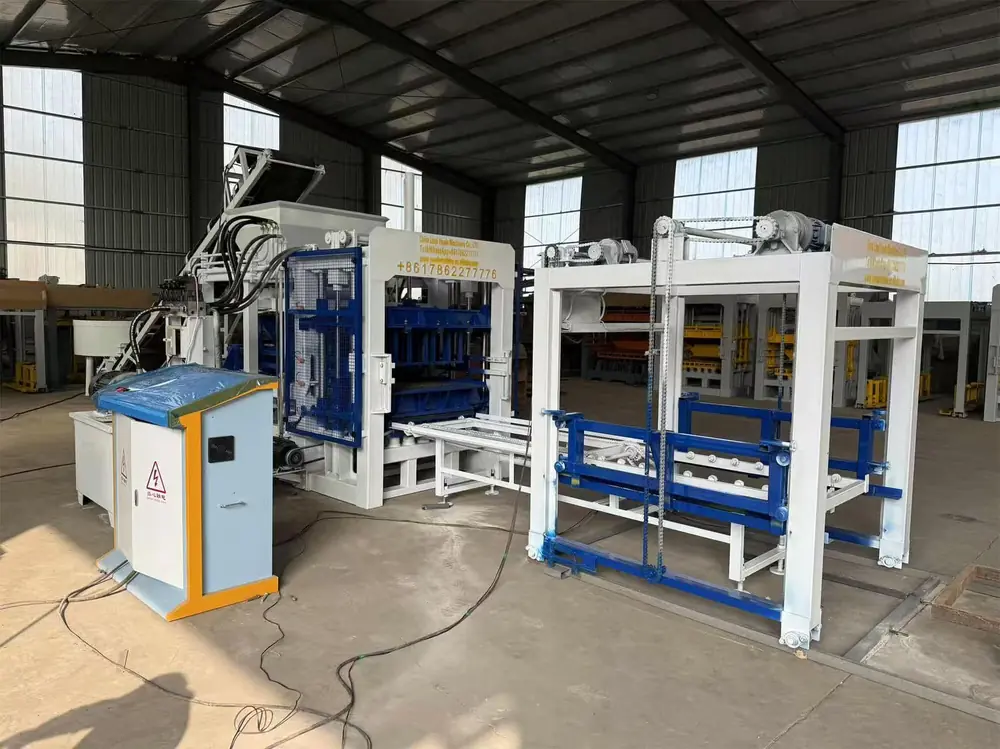
Manual and Hand-Operated Brick Machines
Manual units remain the go-to choice for rural infrastructure, small start-ups, and regions with unstable electricity. These units rely on manual lever compression or small single-phase/diesel engines to mold blocks.
- Primary Products: Soil-cement interlocking bricks, manual clay brick units, and standard solid bricks.
- Key Advantages: Zero grid dependency, low maintenance, exceptional mobility directly to job sites, and the lowest initial investment threshold.
- Operating Dynamic: 2 to 3 workers handle mixing, feeding, and manual lever pressing with minimal training required.
Semi-Automatic Concrete Block Machines
Semi-automatic setups provide the ideal balance between mechanized compression and manual handling. These systems use electric vibration motors combined with hydraulic down-pressure, paired with manual lever-controlled valves for mold lifting and feeder movement.
- Primary Products: Standard hollow blocks, solid concrete blocks, curbing, and basic paver brick designs.
- Key Advantages: Significantly higher compressive strength than manual units, consistent block density, and fast cycle times.
- Production Fit: For businesses looking to scale their operations profitably, exploring our concrete block machines types, operation, and ROI guide provides clear metrics on balancing labor with mechanical output.
Fully Automatic Hydraulic and Fly Ash Block Making Machines
For industrial-scale suppliers and major infrastructure contractors, fully automatic hydraulic production lines deliver maximum output with tight dimensional tolerances. These plants incorporate automated batching stations, planetary mixers, hydraulic compression systems, and automatic stackers controlled via smart PLC touchscreens.
- Raw Material Flexibility: Engineered to process cement, sand, crushed stone, quarry dust, hydraulic concrete, and industrial fly ash.
- Core Strengths: High hydraulic pressure (16 to 21 MPa) ensures commercial-grade block density and rapid curing cycles.
- Automation Level: Automatic pallet feeding, material feeding, high-pressure molding, and green-block stacking eliminate heavy manual labor.
- Product Versatility: Quick-change mold systems allow seamless transitions between heavy load-bearing hollow blocks, interlocking driveway pavers, and colored decorative stones. To evaluate high-capacity setups, consult our detailed automatic block making machine guide for full technical and output specifications.
Key Features and Technical Specifications
When we supply a block machine from China to Africa, we customize every technical specification to match tough local site conditions. From heavy-duty steel frames to adaptive power units, our machines deliver continuous output with minimal downtime.
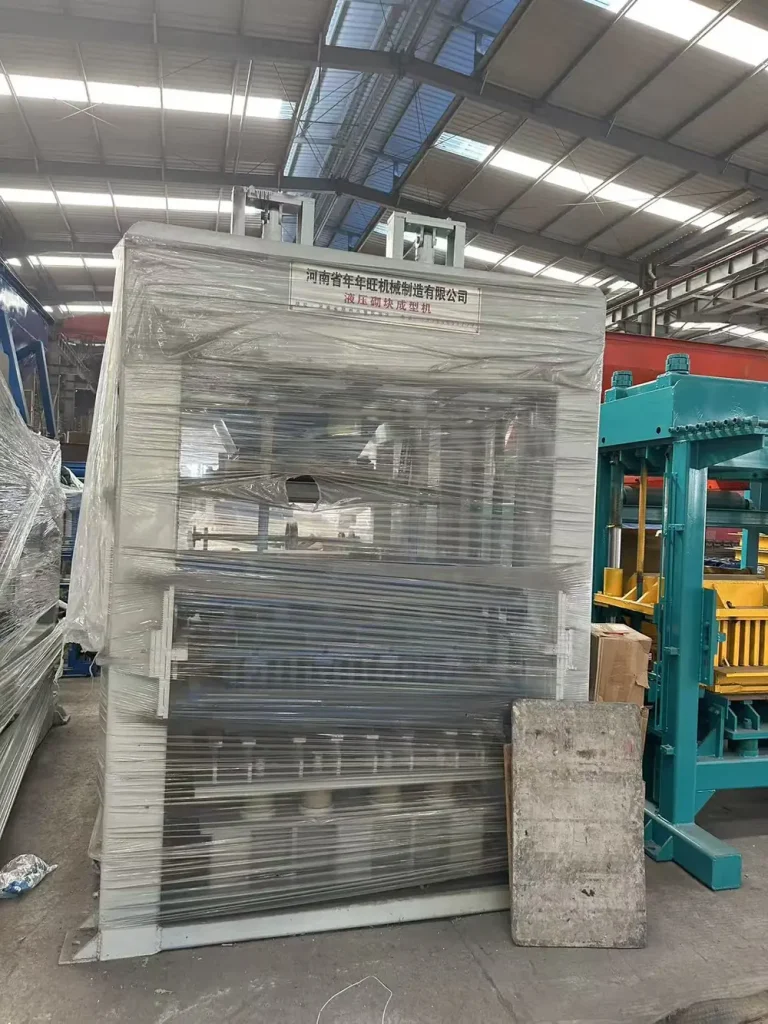
Production Capacity and Daily Output Ratings
Selecting the right production capacity depends on your target market size and daily shift structure. Our machinery line covers everything from compact site-level presses to commercial, high-speed plants.
The table below outlines the standard 8-hour shift output for our core models:
| Machine Category | Typical Cycle Time | Hollow Blocks (400x200x200mm) | Paver Bricks (200x100x60mm) | Interlocking Soil Bricks |
|---|---|---|---|---|
| Manual / Small Mobile | 35–45 sec | 800 – 1,500 pcs | 1,200 – 2,000 pcs | 1,500 – 2,500 pcs |
| Semi-Automatic Mechanical | 20–25 sec | 3,000 – 5,500 pcs | 6,000 – 10,000 pcs | 4,000 – 6,000 pcs |
| Automatic Hydraulic | 15–20 sec | 6,000 – 18,000+ pcs | 15,000 – 40,000+ pcs | N/A (Standard Concrete) |
For medium-to-large commercial suppliers, checking the QT6-15 block machine specifications and capacity provides a solid baseline for balancing capital cost with high-volume daily output.
Supported Raw Materials: Concrete, Clay, Fly Ash, and Soil
Our machinery easily handles diverse, locally sourced African aggregates, lowering material costs and boosting profit margins:
- Standard Concrete Mix: Crushed stone, quarry dust, river sand, and Portland cement for high-strength hollow block and solid building blocks.
- Fly Ash and Slag: Industrial byproducts mixed with lime and gypsum. Reviewing a dedicated fly ash brick machine guide helps operators take advantage of cheap thermal plant waste.
- Clay and Laterite Soil: Compressed stabilized earth blocks (CSEB) mixed with 5–8% cement for affordable soil brick and interlocking brick production.
- Color Pigment Top-Layers: Specialized face-mix hoppers apply vibrant concrete colors directly to paver brick products during molding.
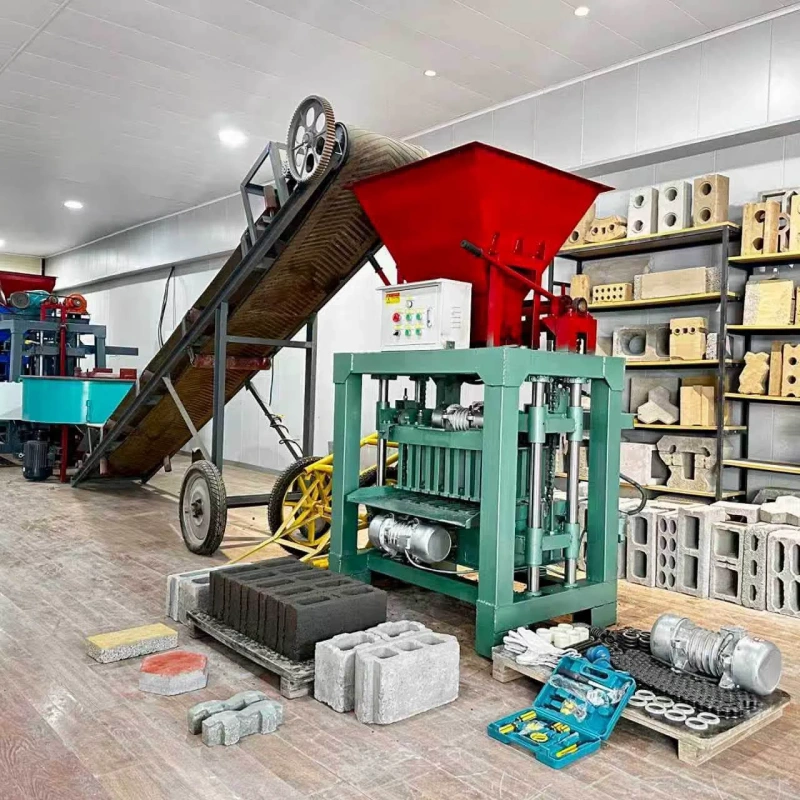
Machine Durability, Power Requirements, and Automation Levels
We engineer every cement block machine specifically for African working environments:
- Heavy-Duty Build: We build our frames using thick national-standard Q235 and Q345 structural steel. Carburized and heat-treated molds extend operational lifespans beyond 100,000 molding cycles.
- Power Supply Options: Systems run on standard 3-phase industrial power (380V–415V / 50Hz). For regions with unstable local grids, we supply diesel-generator-driven hydraulic concrete units.
- Smart Automation Levels: Choose between simple manual lever controls, semi-automatic push-button stations, or full PLC-controlled automatic hydraulic setups using Siemens and Schneider electrical components.
- Hydraulic Cooling Systems: Built-in water-cooling and high-efficiency air-cooling radiators protect hydraulic seals from high ambient temperatures across Central, East, and West Africa.
Popular Application Scenarios in African Construction
Across Africa, rapid urbanization and infrastructure expansion drive steady demand for high-strength walling and paving materials. When we deliver a block machine China to Africa, we tailor the equipment to fit the real building conditions across developing suburbs, commercial hubs, and rural initiatives.
Residential and Commercial Building Projects
Housing developments and commercial structures across the continent rely heavily on standardized masonry units. Deploying a dedicated cement brick making machine allows builders to produce uniform walling materials directly on-site or at regional supply yards.
- Standard Hollow Block Units: Essential for multi-story residential structures and perimeter boundary walls, providing structural integrity alongside thermal insulation.
- Solid Cement Blocks: Engineered for high-load foundation work and heavy structural columns using dense hydraulic concrete mixtures.
- Insulated & Lightweight Units: Utilized in contemporary urban commercial centers to lower dead loads and improve energy efficiency.
Infrastructure, Paving, and Interlocking Brick Production
Municipal road expansion, compound landscaping, and port upgrades require resilient, high-density paving elements that withstand heavy vehicular traffic and adverse weather.
- Interlocking Paver Brick: Our paving machine configurations create heavy-duty interlocking pavers for gas stations, container depots, and residential access roads without requiring mortar.
- Curbstones and Water Channel Blocks: Formed with high-pressure vibration molds to secure road borders and facilitate storm drainage systems.
- Soil and Compressed Interlocking Brick: Popular in eco-friendly and rural building projects, utilizing local soil mixed with minimal stabilizer to lower material freight costs.
Small to Medium Enterprise (SME) Brick Manufacturing
Commercial brickyards represent one of the most profitable business opportunities for African entrepreneurs. Setting up a localized production plant creates local jobs while satisfying nearby municipal tenders.
| Production Model | Primary Output | Target Market | Key Advantage |
|---|---|---|---|
| SME Commercial Yard | Hollow blocks, standard pavers | Local contractors, retail buyers | Fast daily turnover, low operating overhead |
| On-Site Project Setup | Custom structural units | Private estates, commercial plazas | Eliminates transport breakage and logistics costs |
| Rural Soil-Cement Plants | Interlocking soil bricks | Community centers, affordable housing | Relies on abundant local soil, minimal cement use |
For new entrepreneurs entering the sector, consulting a practical small-scale block making machine guide helps balance initial equipment outlay against local production capacity targets. We configure every production line to ensure swift setup, low maintenance downtime, and reliable output under harsh operating environments.
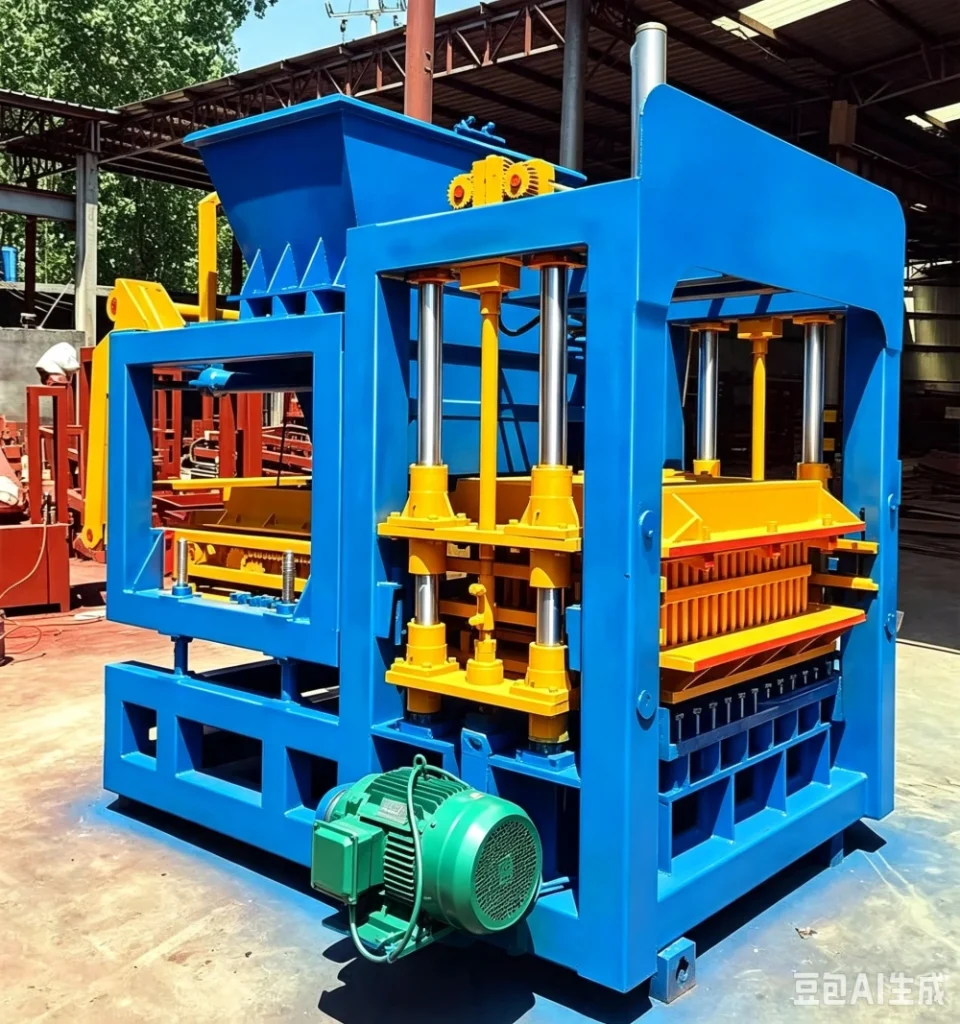
How to Choose and Purchase the Right Block Machine
Selecting the right equipment requires balancing your daily output goals, local market demand, and available capital. Whether you are producing standard hollow blocks, solid soil bricks, or high-density interlocking pavers, choosing the right configuration ensures long-term operational profitability.
Evaluating Hydraulic vs. Manual Machine Options
The choice between manual and hydraulic machinery depends heavily on your budget, access to reliable power, and required daily output. Manual units work well for startup projects with minimal capital, while automatic hydraulic block machines deliver the high compressive strength required for commercial construction.
| Feature | Manual / Hand-Operated | Hydraulic Concrete Block Machine |
|---|---|---|
| Daily Output | 500 – 1,500 blocks/day | 3,000 – 15,000+ blocks/day |
| Pressure Method | Mechanical lever / manual press | High-pressure hydraulic vibration |
| Product Versatility | Basic clay bricks, simple interlocking blocks | Hollow blocks, paver bricks, curb stones |
| Labor Required | High (3–5 workers per unit) | Low to moderate (2–3 operators) |
| Power Dependency | Zero or small single-phase motor | 3-phase industrial power or diesel generator |
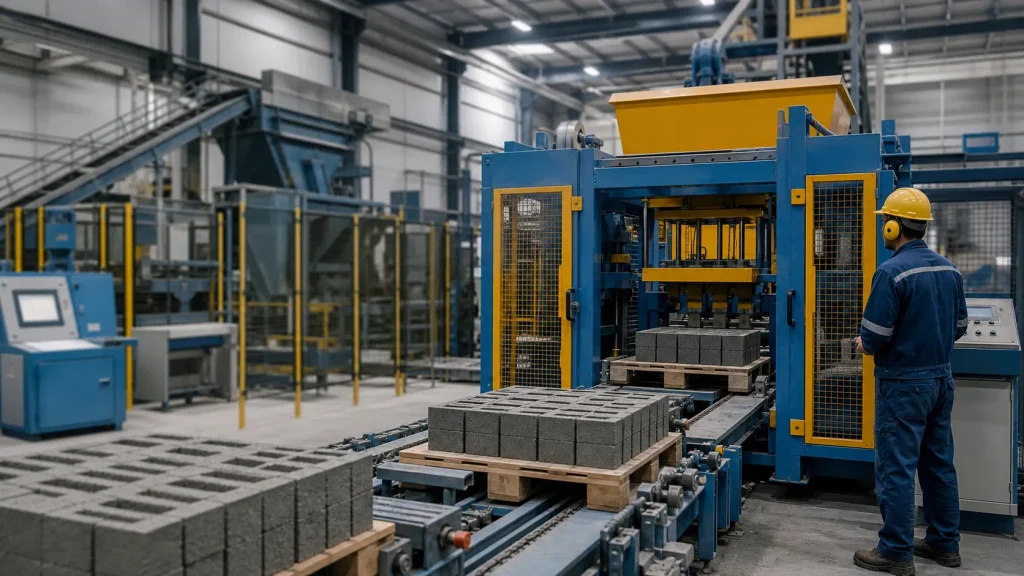
Comparing Price Lists, Factory Capabilities, and Certifications
When reviewing quotes from Chinese manufacturers, looking past the initial machine sticker price is critical. Build quality, steel grade, and mold treatment directly affect the lifespan of your investment.
- Factory Verification: Partner directly with established manufacturers rather than third-party trading vendors to secure factory-direct pricing and direct access to replacement parts.
- Certifications: Verify that the plant holds ISO9001 and CE certifications to guarantee steel quality, electrical safety, and weld integrity.
- Mold Durability: Ensure block molds undergo carbonizing and heat treatment, which extends mold life past 100,000 production cycles.
- Transparent Costing: Check detailed breakdowns covering FOB port charges, export packaging, spare parts kits, and optional accessories. Review our complete block machine China to Africa price and import guide to evaluate landed cost structures accurately.
Shipping, Logistics, and Customs Clearance from China to Africa
Transporting heavy industrial machinery from Chinese ports (such as Qingdao, Ningbo, or Shanghai) to African destinations requires organized logistics management.
- Container Allocation: Compact manual and semi-automatic units ship via 20GP containers or LCL (Less than Container Load), while fully automatic lines with conveyors, mixers, and stackers require 40HQ containers.
- Destination Ports: Major maritime routes serve primary hubs including Mombasa (Kenya), Dar es Salaam (Tanzania), Durban (South Africa), Lagos/Apapa (Nigeria), and Tema (Ghana).
- Import Compliance & Clearance: Prepare mandatory customs documentation well in advance, including the Bill of Lading (B/L), Commercial Invoice, Packing List, and region-specific pre-shipment inspection certificates (such as SONCAP for Nigeria or PVoC/COC for East African markets).
- Corrosion Protection: Machinery must receive anti-rust oil coatings and waterproof plastic wrapping before container securing to withstand sea freight humidity.
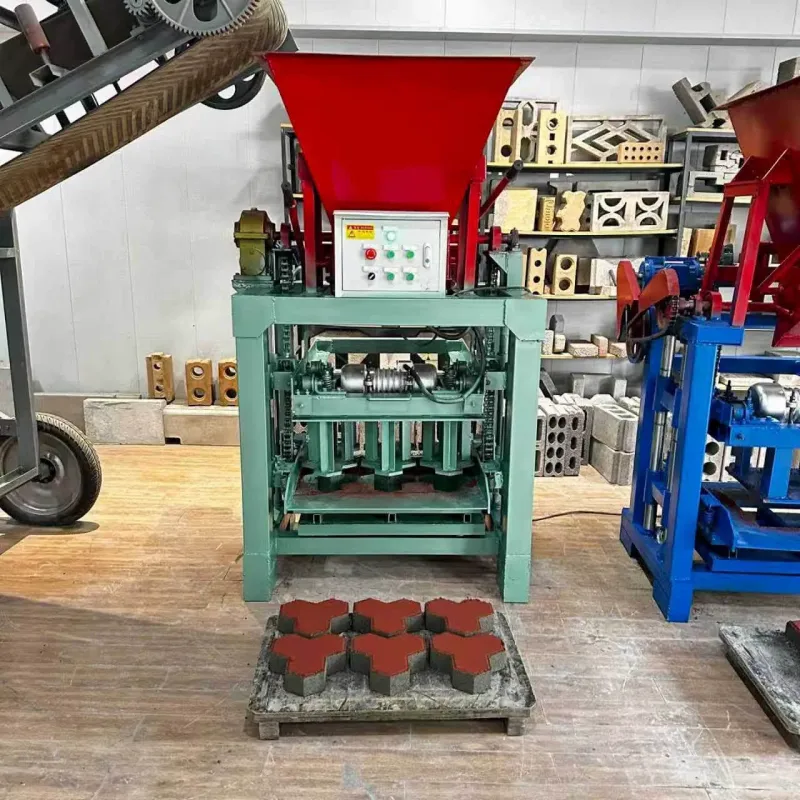
Manufacturer Support and After-Sales Service
Buying a block machine from China to Africa is an investment in your business infrastructure. We back every shipment with end-to-end technical support, ensuring your production line runs smoothly from day one and delivers consistent, long-term output.
Pre-Sales Technical Consultation and Customization
We match the exact equipment configuration to your local project requirements, soil conditions, and target market:
- Custom Mold Fabrication: We design precision molds tailored to local market demands, including hollow block, solid brick, paver brick, and interlocking brick profiles.
- Raw Material Formula Optimization: We analyze your available aggregate mix—whether quarry dust, volcanic ash, river sand, or cement—to maximize block strength while minimizing cement consumption.
- Factory Layout & Power Setup: We provide CAD factory layout designs, transformer sizing recommendations, and industrial diesel generator matching to prevent operational disruptions caused by local grid instability.
| Consultation Stage | Deliverables Provided | Key Customer Benefit |
|---|---|---|
| Material Assessment | Mix design ratio & aggregate evaluation | Cuts raw cement costs per block |
| Mold Customization | 3D mold CAD drawings & hardened steel specs | Matches regional construction standards |
| Plant Layout | Foundation drawings & workflow mapping | Minimizes site footprint and labor movement |
On-Site Installation, Worker Training, and Maintenance
We ensure your crew handles the equipment with total confidence through practical, hands-on commissioning:
- Engineer Dispatch: Our technical teams travel directly to your site across Africa to oversee foundation placement, mechanical assembly, hydraulic concrete calibration, and PLC programming.
- Operator Training: We train local operators on control board operation, pressure regulation, batching adjustments, and daily safety protocols.
- Preventative Care: Following standardized operational checklists and applying practical guidelines like these 10 maintenance tips to extend your cement block machine life keeps your production line running without unexpected downtime.
- Remote Digital Commissioning: For remote locations, we provide high-definition video guidance, electrical schematics, and dedicated engineering support via video call.
Warranty Terms, Spare Parts Supply, and Troubleshooting
Reliable spare parts access and direct technical assistance protect your operational efficiency:
- Comprehensive Warranty: We provide a 12- to 24-month warranty on core structural components, hydraulic valves, vibration motors, and PLC systems.
- Fast-Wear Parts Package: Every exported brick making machine includes a backup toolkit containing extra hydraulic seals, proximity sensors, relays, solenoid coils, and scraper blades to cover your first year of full-capacity production.
- Regional Parts Hubs & Express Air Freight: Critical replacement components ship immediately via DHL/FedEx air cargo to minimize plant downtime.
- 24/7 Remote Troubleshooting: Our multilingual engineering team provides rapid diagnostic support via WhatsApp and dedicated video channels to resolve hydraulic pressure drops, cycle time delays, and electrical faults fast.
Frequently Asked Questions (FAQ)
How Many Workers Are Needed to Operate a Block Machine?
Labor requirements depend directly on the automation level of your setup. Manual and mobile brick makers require more manual handling, while an automatic hydraulic production line minimizes crew size by automating material batching, pressing, and pallet stacking.
| Machine Type | Labor Required | Key Tasks Performed by Crew |
|---|---|---|
| Manual / Egg-Layer | 4 – 6 Workers | Manual mixing, feeding the mold, pulling levers, clearing paths. |
| Semi-Automatic | 3 – 5 Workers | Mixer loading, operating hydraulic levers, pallet transport to curing yard. |
| Fully Automatic Line | 2 – 3 Workers | Silo/batcher supervision, control panel monitoring, forklift transport. |
For high-capacity operations producing standard hollow block and dense paver brick units, fully automated lines offer the fastest return by keeping labor overhead low.
What Is the Price Range for Shipping Block Machines to Africa?
Freight rates for delivering a block machine China to Africa vary based on container size (20ft GP vs. 40ft HQ), shipping line schedules, and destination port fees. Before finalizing logistics, review our top cement block machines for sale in Africa to match your machine model with the right container load size.
- 20ft General Container (FCL): Typically ranges between $1,800 and $3,500 USD. Suitable for compact stationary or mobile units and basic mold packages.
- 40ft High Cube Container (HQ): Typically ranges between $3,200 and $6,000 USD. Necessary for complete production lines containing pan mixers, conveyor belts, stackers, and heavy molds.
- Popular African Ports Served: Mombasa (Kenya), Dar es Salaam (Tanzania), Durban (South Africa), Lagos/Apapa (Nigeria), Tema (Ghana), and Luanda (Angola).
We provide full documentation—including the Bill of Lading, Commercial Invoice, Packing List, and mandatory inspection certificates such as SONCAP, PVOC, or CCVO—to ensure fast customs clearance without costly demurrage.
How Do I Order and Secure Post-Purchase Technical Support?
Ordering equipment directly from our manufacturing plant ensures transparent pricing, custom engineering, and long-term service. Working with a dedicated block machine distributor for automatic block machines protects your investment from day one through the following steps:
- Configuration & Quotation: We evaluate your target daily output, preferred raw materials (crushed stone, dust, sand, or fly ash), and power availability to build an exact equipment specification.
- Contract & Secure Payment: Production begins upon receipt of a standard initial deposit via Telegraphic Transfer (T/T) or confirmed Letter of Credit (L/C).
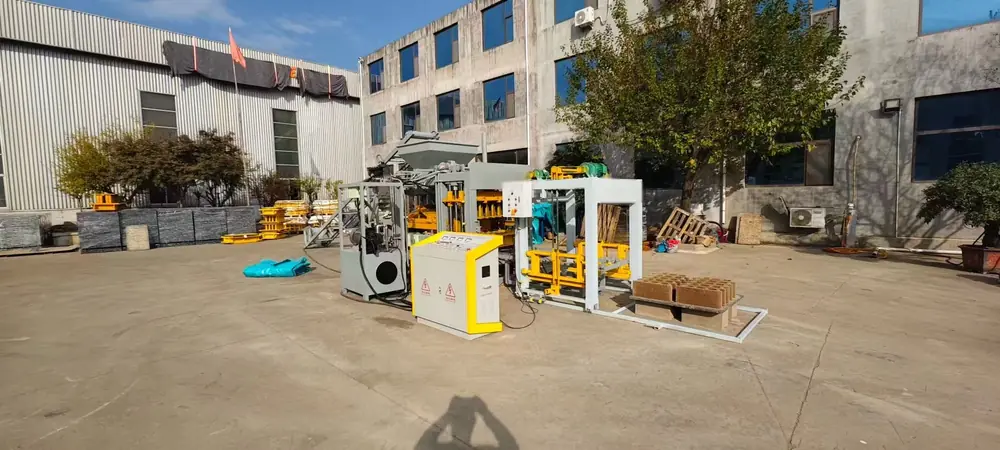
- Factory Testing & Video Inspection: Before crating, every cement block machine is assembled, wired, and test-run with real molds to confirm hydraulic pressure and vibration balance.
- Installation & Commissioning: We provide detailed video manuals, wiring diagrams, and direct engineer dispatch for on-site foundation setup, electrical calibration, and local worker training.
- Lifetime Parts Support: Critical wear parts, solenoid valves, sensors, and additional molds ship via DHL/air cargo or sea freight directly to your job site.