
What is a Fly Ash Brick Machine?
A fly ash brick machine is an industrial block making system engineered to transform industrial fly ash, stone dust, lime, and cement into high-strength, dimensionally uniform building blocks. As a specialized manufacturer of fly ash brick machinery, we design systems that deliver robust structural integrity, high production efficiency, and reliable continuous operation for global construction markets.
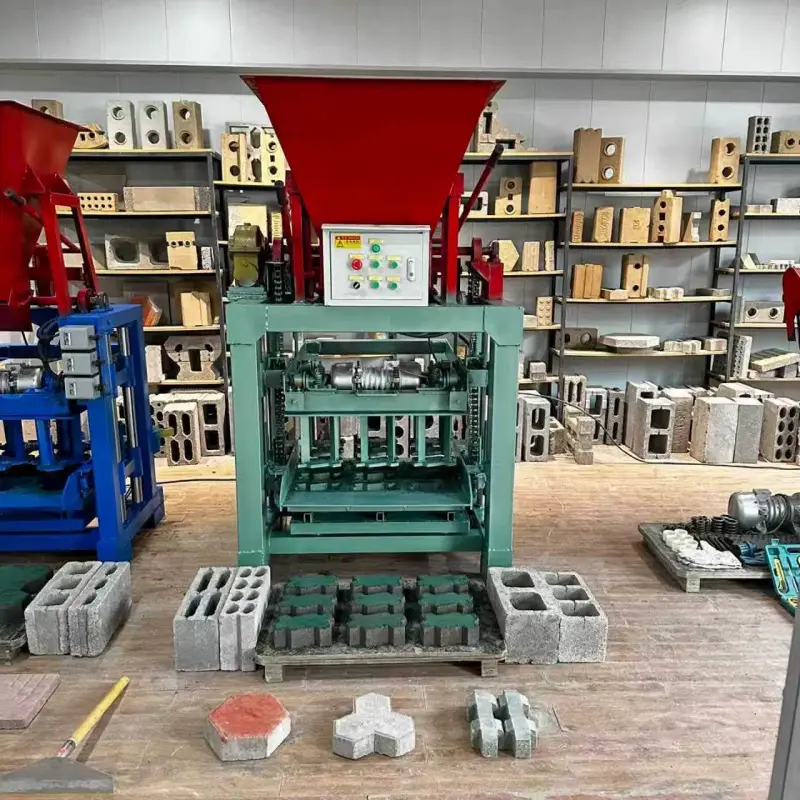
Understanding Fly Ash Brick Technology
Fly ash brick technology utilizes fine ash generated from coal combustion in thermal power plants, combining it with aggregate binders to produce durable masonry units. Instead of relying on energy-intensive clay burning, this technology utilizes high hydraulic compaction and chemical hydration to achieve superior brick density.
- Primary Raw Materials: Fly ash, stone dust/sand, lime, gypsum, and cement.
- Core Mechanism: High-tonnage compression forming dense, load-bearing units.
- Product Characteristics: Smooth surface finish, precise dimensions, high compressive strength, and low water absorption.
How Fly Ash Brick Machines Work
The production process follows a highly controlled, streamlined workflow designed to ensure maximum density and output consistency per stroke:
| Stage | Operational Action | Key Output |
|---|---|---|
| 1. Batching & Mixing | Raw materials are measured and homogenized in a pan mixer. | Uniform wet mix |
| 2. Material Feeding | An automated feeder fills the mold cavities evenly. | Precise volume per mold |
| 3. Hydraulic Pressing | The hydraulic press machine exerts intense vertical pressure. | High-density compacted brick |
| 4. Demolding & Discharge | Bricks are pushed out smoothly onto pallet conveyors for curing. | Ready-to-cure finished blocks |
Environmental and Economic Benefits
Switching to fly ash brick production provides immediate economic returns and helps project developers meet strict global environmental compliance standards:
- Lower Production Costs: Abundant, low-cost raw materials significantly reduce material expenses per unit.
- Zero Soil Depletion: Eliminates topsoil consumption required by traditional clay brick kilns.
- Reduced Energy Consumption: Cold-molding technology removes the need for kiln firing, drastically lowering energy bills.
- Mortar Savings: Uniform shape and sharp edges cut site plastering and mortar usage by up to 20%.
Key Features and Advantages of Fly Ash Brick Machines
We build every fly ash brick machine to maximize productivity, lower operational costs, and deliver consistent product quality for modern construction demands. Here is what sets our machinery apart in the global market.
High Production Efficiency and Output
Our equipment drives maximum output with fast cycle times and high yields per shift. By switching to machine-made bricks over traditional manual methods, producers significantly boost daily capacity while minimizing material waste.
- High stroke yield: Optimizes the number of bricks per stroke during every compression cycle.
- Continuous performance: Engineered for 24/7 heavy-duty plant operation.
- Scalable capacity: Flexible configurations deliver anywhere from 1,200 to over 4,500 bricks per hour.
| Machine Configuration | Bricks Per Stroke | Hourly Production Capacity |
|---|---|---|
| Semi-Automatic Machine | 4 – 8 pcs | 1,200 – 2,000 bricks |
| Fully Automatic Brick Plant | 10 – 18 pcs | 3,000 – 4,500+ bricks |
Durable Hydraulic Pressure Systems
At the core of every high-performing system is a heavy-duty hydraulic press machine designed for precision and structural longevity.
- High pressing capacity: Delivers up to 200 tons of uniform pressure to manufacture ultra-dense, high-strength blocks.
- Heavy steel frame: Absorbs operational vibration, reduces mechanical fatigue, and extends service life.
- Precision hydraulic valves: Ensure smooth cylinder strokes and minimal maintenance downtime.
Consistent Quality and Precision Molding
Uniformity is critical for fast wall construction and structural safety. Our high-precision molds guarantee exact dimensions and clean edges on every batch.
- Exact dimensions: Eliminates size variation, helping builders save on mortar during masonry work.
- High compressive strength: Produces uniform density that meets international building standards.
- Smooth surface finish: Ideal for direct paint applications, drastically cutting plastering costs.
Low Power Consumption and Easy Operation
We design our plants to keep utility bills and labor overhead low without sacrificing output. To explore complete plant layouts and return on investment, check out our concrete block machinery guide.
- Energy-efficient motors: Optimized hydraulic systems reduce total electricity consumption per block.
- User-friendly PLC panel: Intuitive controls make it simple for operators to monitor batching, pressure, and cycle times.
- Low labor dependency: Automated material feeding and block handling streamline your entire shop floor.
Types of Fly Ash Brick Making Machines
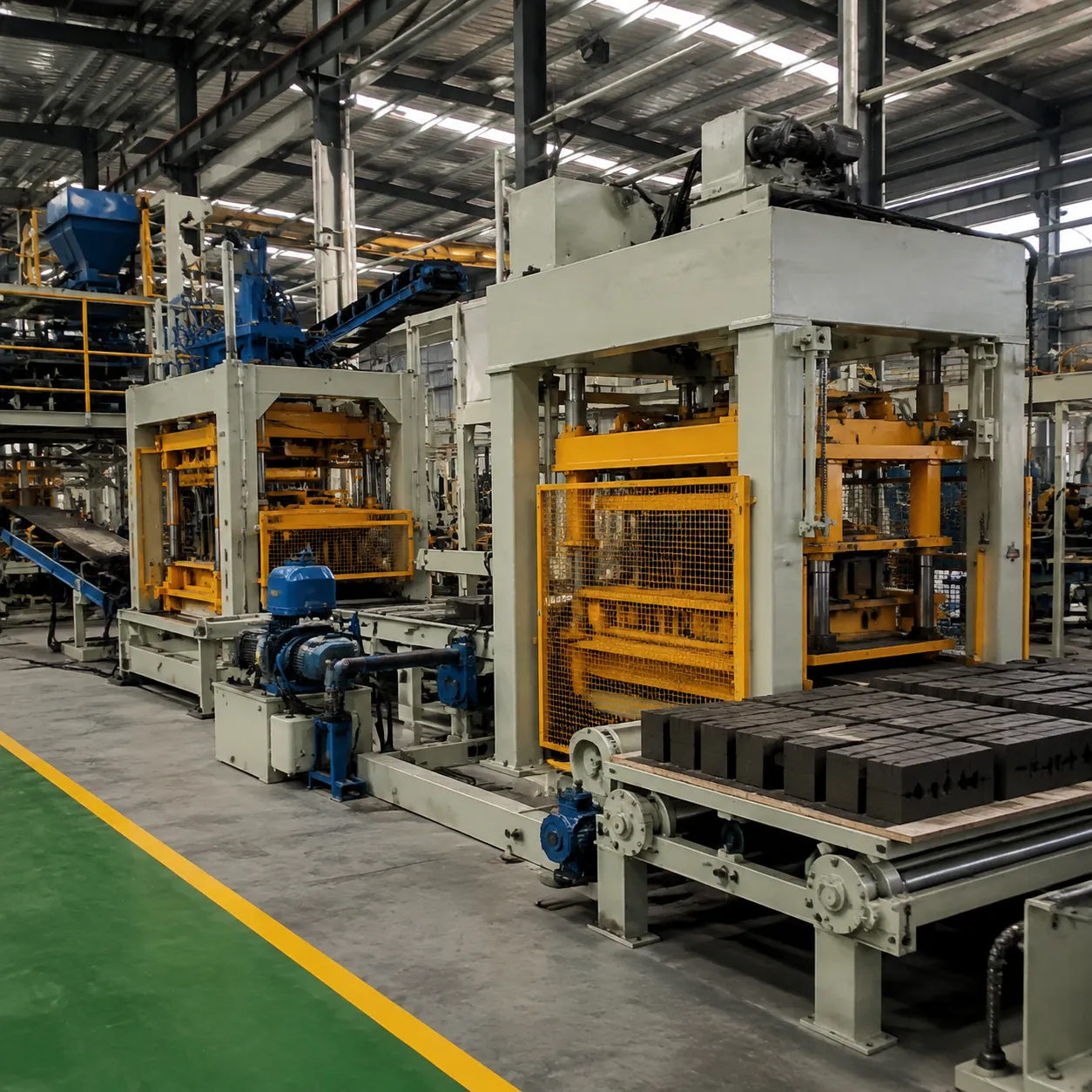
We specialize in manufacturing fly ash brick machine options tailored to fit every scale of production—from startup setups to industrial plants. Choosing the right machinery depends on your target daily output, budget, and local labor requirements.
Fully Automatic Fly Ash Brick Plant
A fully automatic brick plant maximizes operational efficiency while minimizing labor dependencies. These systems integrate batching, mixing, hydraulic pressing, and automatic block stacking into one seamless cycle.
- Maximum Output: Delivers thousands of high-density bricks per hour.
- Precision Control: Advanced PLC systems guarantee uniform pressure and exact dimensions.
- Ideal For: Large-scale commercial producers aiming for continuous, high-volume manufacturing.
For heavy-duty operations, utilizing an advanced automatic brick making machine ensures high pressing capacity and dependable long-term performance.
Semi-Automatic Fly Ash Brick Machine
A semi automatic machine strikes a balance between automated pressing and manual material handling. Operators feed raw materials or manage paletting, while hydraulic systems handle the high-pressure compaction.
- Cost Efficiency: Lower upfront investment compared to full automation.
- Easy Maintenance: Simplified controls mean reduced downtime and lower maintenance costs.
Ideal For: Growing businesses looking to scale production capacity steadily.
Hydraulic Fly Ash Brick Machine
A high-performance hydraulic press machine relies on dual-direction hydraulic force to compress raw materials containing coal combustion fly ash, sand, and cement into high-strength units.
- Extreme Density: Produces high load-bearing bricks with minimal water absorption.
- Multi-Product Flexibility: Easily converts into a concrete block machine or paver block making machine with quick mold changes.
- Ideal For: Manufacturers producing structural bricks, interlocking blocks, and heavy-duty pavers.
To evaluate various machine setups and operational costs, review our detailed interlock brick making machine guide.
Manual and Small-Scale Brick Machines
Manual and small-scale brick equipment offers an accessible entry point for lower-volume output or site-specific construction tasks.
- Low Capital Requirement: Compact setup requiring minimal upfront investment.
- Simple Mechanics: Easy to operate without specialized technical training.
- Ideal For: Local contractors, rural projects, and entry-level entrepreneurs.
Technical Specifications and Operational Parameters
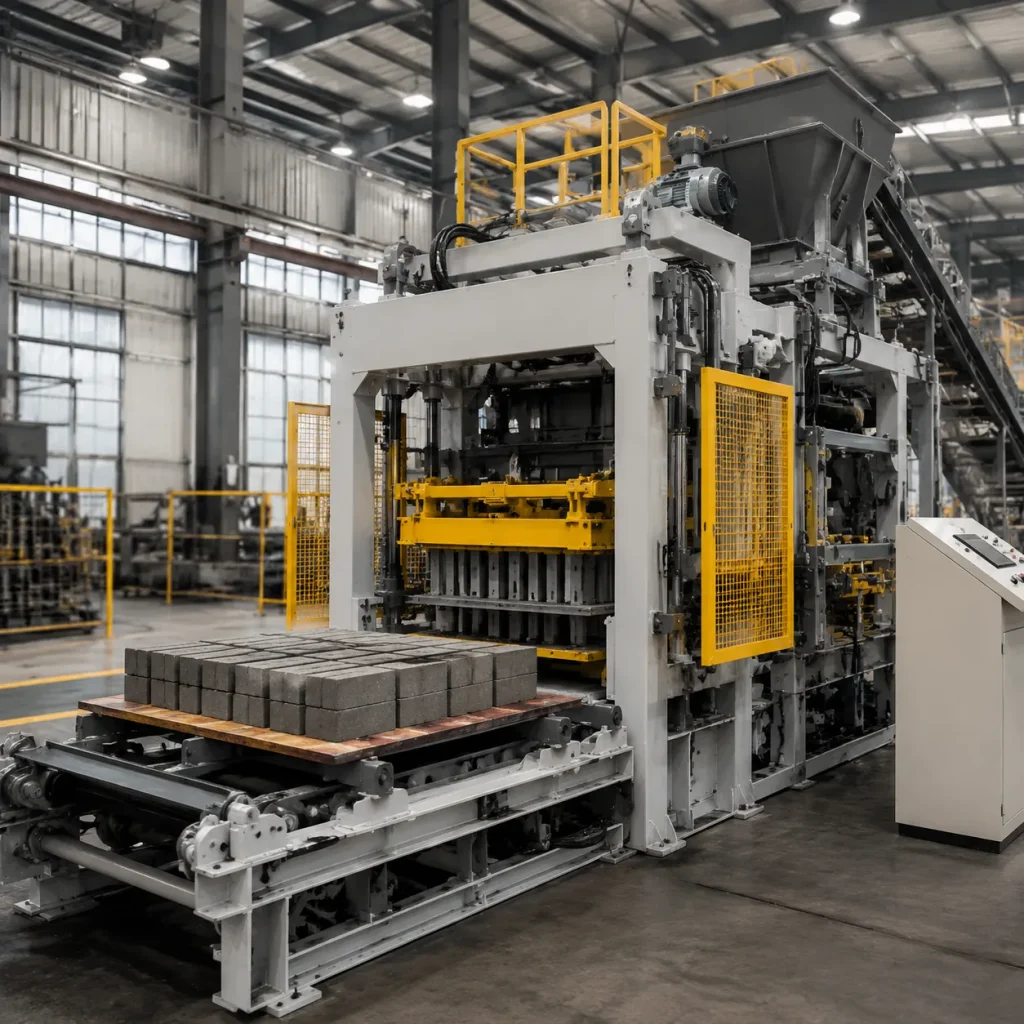
Understanding key technical parameters helps you select the right fly ash brick machine for your target production goals. We build our equipment with heavy-duty structural frames and reliable hydraulics to maintain steady continuous operation and high output quality.
Production Capacity and Cycle Time
Production capacity directly depends on the machine’s cycle speed and mold size. Advanced hydraulic press systems achieve fast molding cycles, maximizing your total bricks per hour.
- Fast Cycle Times: Molding cycles range between 12 to 25 seconds per batch.
- High Yield: Produces anywhere from 4 to 36 bricks per stroke, depending on mold configuration.
- Daily Output: Output ranges from 10,000 to over 60,000 standard bricks per 8-hour shift.
| Machine Class | Molding Cycle | Bricks per Stroke | Output (8-Hour Shift) |
|---|---|---|---|
| Small-Scale / Manual | 25 – 30 sec | 4 – 8 pcs | 3,000 – 8,000 pcs |
| Semi-Automatic | 18 – 22 sec | 8 – 18 pcs | 10,000 – 25,000 pcs |
| Fully Automatic Plant | 12 – 16 sec | 18 – 36 pcs | 30,000 – 60,000+ pcs |
Whether you are evaluating a small-scale block making machine guide or planning a high-capacity commercial plant, matching cycle speed to your target volume is essential.
Hydraulic Pressure and Power Requirements
High pressing capacity ensures consistent density, sharp corners, and high compressive strength in every brick. Our fly ash brick machine line uses heavy-duty hydraulic force to deliver uniform compacting pressure across every mold cavity.
- System Pressure: Operates within 16 MPa to 31.5 MPa for solid compaction.
- Pressing Force: Total pressing force spans from 100 tons to over 500 tons depending on unit scale.
- Power Consumption: Total motor power ranges from 15 kW to 75 kW, balanced to minimize operational electricity costs.
To explore overall equipment power demands and cost metrics, review our concrete block machine price guide and features.
Raw Material Ratios and Batching System
Fly ash bricks utilize industrial byproducts generated from thermal power plant coal combustion. Achieving consistent structural performance requires exact material batching ratios.
Standard Raw Material Mix Ratio:
Fly Ash: 50% – 60% (raw material from coal combustion)
Sand or Quarry Dust: 20% – 30% (provides coarse matrix)
Lime or Cement: 10% – 15% (acts as primary binder)
Gypsum: 3% – 5% (accelerates setting time)
Automated batching systems electronically weigh each raw component before discharging into the mixer. This guarantees uniform mixing, reduces binder waste, and prevents low-strength bricks during continuous manufacturing runs.
Essential Equipment for a Fly Ash Brick Plant
Setting up an efficient plant requires more than just the core molding unit. To reach maximum productivity and ensure product consistency, we build complete production setups engineered around our core fly ash brick machine.
Pan Mixer Machine for Material Blending
Uniform material mixing is critical for producing high-strength bricks. Our heavy-duty pan mixers ensure a homogenous blend of fly ash, lime, gypsum, and sand or stone dust before molding.
- Homogenous Blending: Heavy-duty wear-resistant scrapers prevent clumping and ensure exact raw material ratios.
- Water Addition Control: Integrated moisture distribution enhances binding strength during pressing.
- Fast Batching: Quick charge and discharge cycles keep the production line moving without bottlenecks.
Concrete and Paver Block Making Attachments
Diversifying your product lineup boosts overall profitability. By using quick-change molds, your standard system easily doubles as a high-output concrete block machine or paver block making machine.
- Multi-Product Capability: Produce interlocking pavers, solid blocks, hollow blocks, and standard fly ash bricks on a single line.
- Heavy-Duty Molds: Engineered from heat-treated alloy steel for maximum wear resistance and long service life.
Belt Conveyors and Automatic Stackers
Automating material transit and finished block handling minimizes labor costs while keeping your plant running at full production capacity.
- Heavy-Duty Belt Conveyors: Move thoroughly mixed materials smoothly from the pan mixer directly to the feed hopper without manual intervention.
- Automatic Pallet Stackers: Stack newly molded green bricks neatly onto pallets, drastically reducing breakage and speeding up curing transfer times.
Applications of Fly Ash Bricks and Blocks
Fly ash bricks and blocks produced by our advanced fly ash brick machine line have become essential building components across the global construction market. Derived from coal combustion byproducts, these eco-friendly materials deliver exceptional compressive strength, precise dimensions, and superior resistance to weather and moisture.
Residential and Commercial Construction
In modern building projects, uniform dimensions and structural integrity are non-negotiable. Bricks produced by a high-tonnage hydraulic press machine offer consistent quality that speeds up masonry work and reduces mortar consumption.
- Load-Bearing and Non-Load-Bearing Walls: High density makes these bricks ideal for multi-story framing, partition walls, and load-bearing structures.
- Thermal and Sound Insulation: Ideal for apartments, shopping centers, and office complexes, helping lower indoor cooling and heating energy costs.
- Plaster-Saving Surface: Smooth, sharp-edged finishes require significantly less plastering, cutting labor and material expenses on job sites.
Infrastructure and Road Projects
Large-scale municipal and infrastructure development requires massive volumes of durable materials. Utilizing a modern concrete block machine, contractors produce high-strength blocks capable of enduring heavy loads and harsh environmental exposure.
| Application | Core Benefits |
|---|---|
| Retaining Walls & Culverts | High resistance to moisture erosion and soil pressure |
| Highway & Railway Barriers | Exceptional load capacity and long-term durability |
| Drainage Channels | Low water absorption prevents cracking and chemical degradation |
Paving and Industrial Structures
By swapping molds on a versatile paver block making machine, manufacturers can easily shift production from standard wall bricks to heavy-duty interlocking pavers and industrial masonry products.
- Interlocking Pavements: Perfect for sidewalks, parking lots, ports, and logistics hubs where heavy vehicular traffic is constant.
- Industrial Enclosures: Fire-resistant properties make fly ash blocks a safe choice for factories, warehouses, and power plant facilities.
- Eco-Friendly Urban Spaces: Walkways and public plazas benefit from uniform aesthetic appeal and long-lasting performance.
We design our block machinery to adapt to diverse market demands, helping builders stay competitive while following the latest brick machinery news and updates in sustainable manufacturing.
How to Choose the Right Fly Ash Brick Machine
Selecting the ideal fly ash brick machine shapes your overall plant profitability, operational efficiency, and long-term return on investment. We specialize in manufacturing fly ash brick machine solutions designed to balance upfront setup costs with high-yield performance.
Evaluating Production Capacity and Budget
Your daily output targets directly dictate the machinery size and hydraulic force required. Aligning your budget with realistic production capacity goals keeps capital expenditure manageable while leaving room for operational scaling.
- Small-Scale Operations: 3,000 to 5,000 bricks per day; ideal for local commercial suppliers with modest upfront investment.
- Medium-Scale Operations: 8,000 to 15,000 bricks per day; offers a strong balance between equipment investment and output volume.
- Industrial Scale: 20,000+ bricks per day; designed for large-scale construction suppliers requiring continuous high bricks per hour yields.
| Plant Scale | Daily Target | Recommended Configuration | Budget Profile |
|---|---|---|---|
| Small | 3,000 – 5,000 bricks | Compact hydraulic press machine | Low initial investment |
| Medium | 8,000 – 15,000 bricks | Semi-automatic production setup | Moderate investment |
| Industrial | 20,000+ bricks | High-capacity fully automatic brick plant | Capital investment |
Assessing Automation Level and Labor Needs
Choosing between manual, semi-automatic, and fully automatic systems impacts daily labor overhead and production speed.
- Labor Reliance: Manual and semi-automatic units require more hands-on labor for material batching, pallet transfer, and finished block stacking.
- Operational Efficiency: Fully automated lines streamline material feeding and pressing, delivering precise mold cycles with minimal manual intervention.
- Product Versatility: Investing in a multi-functional concrete block machine allows operators to easily swap molds to produce standard bricks, hollow blocks, and paver blocks on a single line.
Selecting Manufacturer and After-Sales Support
A reliable equipment manufacturer provides long-term value far beyond the initial machine delivery. Choosing strong engineering and ongoing support keeps plant downtime to a minimum.
- Heavy-Duty Construction: Ensure structural frames utilize heavy-grade steel and top-tier hydraulic components to withstand continuous pressing cycles.
- Spare Parts Availability: Confirm quick access to wear parts, seals, and molds to keep maintenance schedules predictable.
- Technical Support & Service: Partner with manufacturers that offer direct installation oversight, operator training, and responsive technical assistance.
Frequently Asked Questions (FAQs)
What raw materials are needed for fly ash brick production?
Making high-quality bricks requires a precise mix of industrial byproducts and binding agents. Fly ash, generated from coal combustion in thermal power plants, serves as the primary base material.
| Raw Material | Typical Ratio | Core Function |
|---|---|---|
| Fly Ash | 55% – 60% | Primary structural filler |
| Sand / Stone Dust | 20% – 25% | Adds density and strength |
| Lime / Gypsum or Cement | 10% – 15% | Key binding agent |
| Water | 8% – 10% | Triggers chemical hydration |
What is the difference between automatic and semi-automatic machines?
The main differences come down to labor involvement, control systems, and total production capacity.
- Fully Automatic Brick Plant: Driven by advanced PLC systems for automatic raw material batching, feeding, molding, and pallet stacking. It offers maximum output with minimal manual labor.
- Semi Automatic Machine: Requires manual handling for pallet positioning and block transfer. It significantly reduces initial startup costs while utilizing a powerful hydraulic press machine system to guarantee brick density.
Explore our complete range of high-efficiency fly ash brick machine options designed for modern brick manufacturing.
How much space is required to set up a fly ash brick plant?
Land requirements depend on your intended daily output, raw material storage, and block curing area.
- Small-Scale Setup: 10,000 – 15,000 sq. ft. (Ideal for semi-automatic lines).
- Medium to Large Setup: 25,000 – 50,000+ sq. ft. (Required for fully automatic plants with heavy stacking space).
If you need help calculating your land layout, contact us for factory design support and technical planning.