
Overview of Block Making Machine Prices in Kazakhstan (2026)
Surging infrastructure initiatives and expanding urban residential projects across Astana, Almaty, and Shymkent are driving strong demand for high-performance concrete production equipment. Investing in a modern block machine requires a clear, realistic projection of equipment pricing tailored to the 2026 industrial market in Kazakhstan.
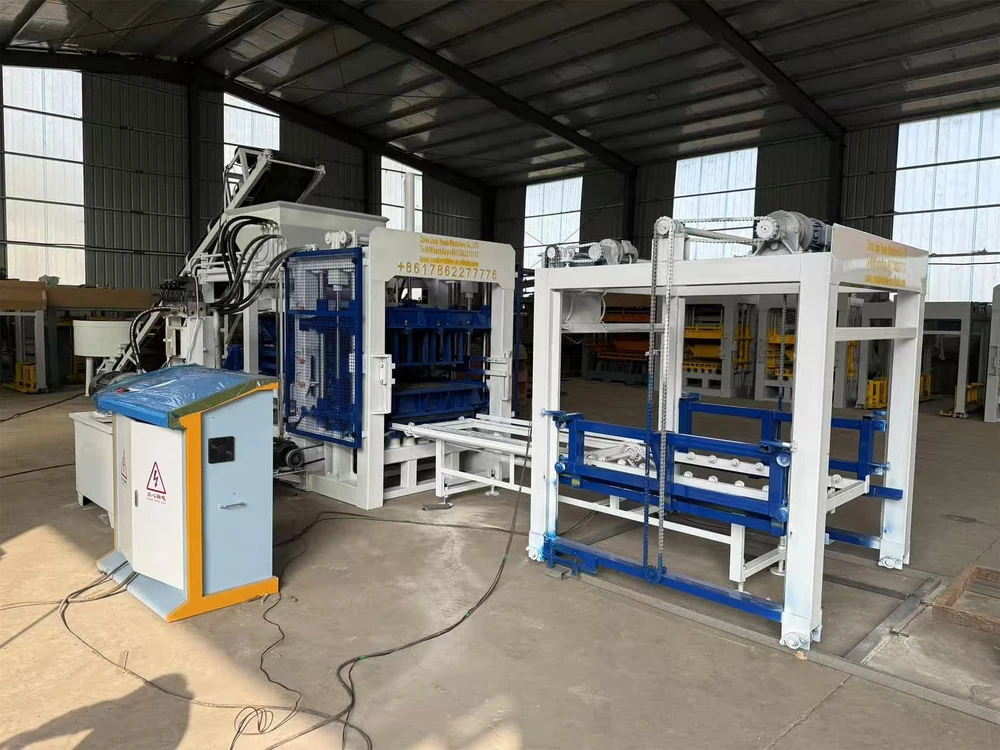
Planning capital expenditure requires looking beyond baseline manufacturer quotes. Securing high operational margins depends on analyzing complete equipment tiers alongside logistics and border-crossing expenses.
Market Price Range: From Small Units to Commercial Lines
Equipment procurement costs reflect scale, operational speed, and automation capabilities. Current manufacturer pricing across the primary configurations falls into three main tiers:
| Machine Category | Typical Configuration | Production Capacity (8h Shift) | Average FOB Price Range (USD) |
|---|---|---|---|
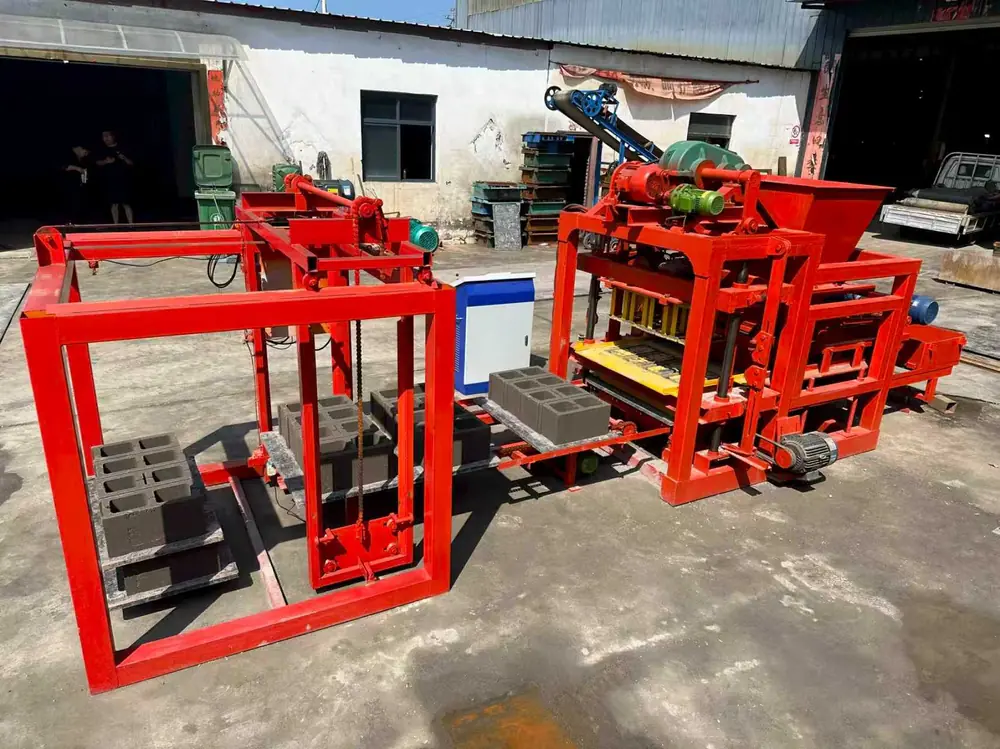
| Small / Mobile Units | Mobile egg-layer or manual stationary press | 1,000 – 3,500 standard blocks | $4,500 – $14,000 |
| Semi-Automatic Brick Machine | Basic conveyor, concrete mixer, hydraulic press (QT4-25 series) | 4,000 – 7,500 standard blocks | $16,000 – $32,000 |
| Medium Automatic Line | PLC control, automated batcher, pallet feeder (QT6-15 / QT8-15) | 9,000 – 16,000 standard blocks | $38,000 – $75,000 |
| Fully Automatic Commercial Plant | Multi-hopper batching, finger car, automatic cuber (QT10-15+) | 18,000 – 28,000+ standard blocks | $85,000 – $240,000+ |
- Entry-Level Workshops: A compact semi-automatic brick machine provides a cost-effective entry point for localized rural masonry supplies and paving stone contracts.
- Commercial Producers: An automatic concrete block line integrates automatic curing transfers, bulk material batching, and robotic palletizing to yield continuous high-volume outputs with minimal labor overhead.
Understanding FOB Price vs. Total Landed Cost
A common pitfall in equipment acquisition is treating the FOB price (Free on Board) as the final investment budget. The FOB quote covers only the equipment manufacture, factory testing, export packaging, and loading at the departure railhead or port.
Calculating your total landed cost for delivery into Kazakhstan involves several additional mandatory capital outlays:
- Base FOB Price: Machine unit, modular components, and primary mold assemblies.
- Cross-Border Freight Charges: Rail flatcar or heavy-duty international road transport from manufacturing hubs through border transfer points like Khorgos or Dostyk.
- Customs Clearance and Tariffs: The designated import duty rate under HS code 8474 (machinery for sorting, screening, separating, washing, crushing, grinding, mixing or kneading earth, stone, ores, or other mineral substances).
- Kazakhstan Value-Added Tax (VAT): The statutory 12% import VAT, applied directly on the cumulative customs value (machinery value plus freight and border insurance).
- Inland Transport and Handling: Final container trucking from regional dry ports directly to the job site, including crane offloading and temporary warehousing.
Total Landed Cost = FOB Price + Cross-Border Freight + Transit Insurance + Import Duty + Customs Clearance Fees + Import VAT + Regional Inland Transport
Anticipating these combined import expenses guarantees uninterrupted project execution, accurate cash flow planning, and rapid commercial deployment across Kazakhstan’s competitive manufacturing landscape.
Key Factors Influencing Base Machine Cost
When evaluating equipment costs before shipping and duties come into play, the base sticker price reflects specific engineering choices, structural steel quality, and plant capacity. In our experience supplying production lines globally, analyzing core concrete block machine price factors early prevents costly surprises during plant commissioning. Four primary elements determine this base equipment price.
Production Capacity and Cycle Output
The physical volume a plant can produce per shift dictates the machinery’s size, weight, and structural demands.
- Molding Cycle Time: High-output plants operate on 15 to 20-second cycles, requiring synchronized mechanical motions and fast-response hydraulics.
- Drop Size per Pallet: Producing 3 to 4 standard hollow blocks per cycle requires a compact frame. Producing 10 to 12 blocks per cycle requires reinforced gantry frames, larger vibration tables, and heavier counterweights to handle the dynamic loads.
- Shift Targets: Higher shift capacities demand continuous-duty steel frames that resist structural fatigue, driving up initial manufacturing costs.
Degree of Automation: Manual, Semi-Automatic, and Fully Automatic
The level of automated control directly affects equipment price while dramatically cutting long-term operational labor. Investing in an advanced automatic block making machine line shifts expenses from ongoing labor payroll into dependable, software-driven hardware.
- Manual and Semi-Automatic Units: Utilize mechanical levers or basic push-button stations. They carry low initial price tags but require 5 to 8 operators per shift to handle pallet feeding and block handling.
- Fully Automatic Systems: Integrate automated pallet magazines, green block stackers, and PLC-controlled finger-car transfer systems. These reduce operating crews to 2 or 3 personnel, though the initial investment is higher due to sensor arrays, servo drives, and synchronized conveyors.
Core Hydraulic, Electrical, and Motor Components
Component selection separates entry-level machinery from industrial-grade workhorses built to withstand harsh operating conditions. We prioritize premium, globally serviceable parts to minimize downtime:
- Hydraulic Stations: Variable displacement piston pumps paired with proportional relief valves (such as Yuken or Rexroth) maintain precise pressure regulation and prevent overheating during continuous pressing.
- Electrical Controls: Industrial-grade Siemens PLC units, touchscreen human-machine interfaces (HMI), and Schneider switchgear ensure reliable operation despite grid fluctuations.
- Vibration Technology: High-efficiency servo vibration motors provide instant start-stop response, cutting cycle times while achieving uniform concrete compaction without wasting energy.
Mold Configuration and Block Versatility
The flexibility of a block machine depends on its tooling systems. Interchangeable molds allow a single line to manufacture standard building blocks, interlocking pavers, solid bricks, and road kerbstones.
- Heat-Treatment Standards: Quality molds undergo precision CNC wire-cutting, carburizing, and quenching to reach surface hardness levels of 60–62 HRC, guaranteeing lifespans exceeding 100,000 cycles.
- Specialized Attachments: Producing face-mix colored pavers requires adding a secondary pigment feed hopper and color-mix station to the base machine, which adds to the initial equipment investment.
- Custom Tooling: Tailored architectural molds or custom hollow core patterns require dedicated design engineering, adding slight tooling premiums over standard block configurations.
Price Breakdown by Machine Type and Capacity
When planning your investment for the Kazakhstan market in 2026, factory equipment costs vary significantly depending on hydraulic power, cycle speed, and automation level. We categorize these systems into three main tiers to help you align production targets with your capital budget.
| Model Series | Automation Level | 8-Hour Shift Output (Standard Blocks) | Estimated FOB Price (USD) | Estimated Landed Cost Kazakhstan (USD) |
|---|---|---|---|---|
| QT4-25 / QT4-18 | Semi-Automatic | 3,000 – 5,000 pcs | $8,500 – $16,000 | $14,000 – $24,500 |
| QT6-15 / QT8-15 | Fully Automatic | 7,000 – 14,500 pcs | $28,000 – $58,000 | $42,000 – $78,000 |
| QT10-15 / QT12-15 | Turnkey Automatic Plant | 16,000 – 28,000 pcs | $75,000 – $140,000+ | $105,000 – $195,000+ |
Small and Semi-Automatic Block Machines (e.g., QT4-25)
For startups, rural projects, or contractors catering to localized builds in regions like Almaty Oblast or Shymkent, entry-level machinery offers a fast return on investment. A semi-automatic brick machine such as the QT4-25 relies on mechanical vibration combined with manual or semi-automated hydraulic levers.
- Average FOB Price: $8,500 to $16,000 depending on motor specifications and mold hardening treatments.
- Estimated Landed Cost: $14,000 to $24,500 after factoring in rail platform freight via Khorgos, import customs handling, and local delivery.
- Configuration: Usually ships with a basic pan mixer, belt conveyor, and single mold set. For an in-depth financial breakdown of entry configurations, check our small-scale block making machine guide and price benchmarks.
Medium-Scale Production Lines (e.g., QT6-15, QT8-15)
Commercial yards supplying commercial infrastructure and housing programs across Astana and Karaganda require continuous hydraulic compaction. Medium-scale equipment features programmable PLC controls, automated feeder drawers, and multi-directional vibration tables.
- Standard Capacity: 6 to 8 hollow blocks (400x200x200mm) per mold drop, producing a cycle every 15 to 20 seconds.
- Average FOB Price: $28,000 to $58,000 for standard base-line configurations.
- Estimated Landed Cost: $42,000 to $78,000, covering standard multi-container shipment, transit insurance, and regional border entry tariffs.
- Core Advantages: Reduced labor requirements, consistent block density suited for harsh Central Asian freeze-thaw cycles, and higher daily throughput. Review our detailed concrete block machines types, operation, and ROI guide to evaluate operating economics for this class.
High-Capacity Fully Automatic Brick Plants (e.g., QT10-15 to QT12-15)
High-output industrial setups operate as integrated manufacturing facilities. These setups pair high-tonnage forming presses with multi-bin aggregate batchers, twin-shaft compulsory mixers, automated pallet stackers, and finger-car transfer setups.
- Output Performance: Capable of exceeding 20,000 units per shift, supporting continuous 24/7 commercial schedules.
- Average FOB Price: $75,000 to upwards of $140,000 based on component brand selection (e.g., Siemens motors, Yuken hydraulic valves).
- Estimated Landed Cost: $105,000 to $195,000+, demanding multiple 40-foot open-top or high-cube containers and heavy machinery offloading setups on site.
- Market Role: Built directly for large construction conglomerates manufacturing pavers, curb stones, and load-bearing hollow blocks under rigid national building codes.
Calculating Landed Cost to Kazakhstan: Freight, Duty, and Taxes
When you budget for a commercial block production line, the supplier’s FOB quotation is only the starting point. To understand the true investment for setting up in Almaty, Astana, or Shymkent in 2026, we calculate the total landed cost by factoring in international freight, Eurasian Economic Union (EAEU) border customs, national value-added tax, and terminal logistics.
Rail and Road Freight Routes from Manufacturing Hubs
Shipping heavy industrial machinery into landlocked Kazakhstan relies primarily on overland corridors:
- Direct Rail Freight (Khorgos / Dostyk Gateways): 40-foot HQ containers and open-top rail wagons move from major Chinese industrial centers through Khorgos or Alashankou directly into Almaty or Astana rail freight terminals. Transit times average 12 to 18 days.
- International Road Transport (TIR Trucks): For oversized components—such as heavy hydraulic mainframes, large aggregate batchers, and cement silos—flatbed trailers and heavy-duty curtain-siders provide direct door-to-door delivery to your production site, bypassing intermediate container transfers.
- Estimated Freight Costs (2026 Projections): Standard overland freight charges for a complete automatic line generally range between $4,500 and $8,500 per 40ft container/truckload, depending on the destination city and equipment volume.
Kazakhstan Import Customs Duty Rates and HS Code Classification
Equipment clearance follows standard EAEU technical regulations. Industrial concrete machinery falls under HS Code 8474.80.900.0 (Machinery for agglomerating, shaping, or molding solid mineral fuels, unhardened cements, plastering materials, or other mineral products):
- Import Duty Rate: Concrete block and brick machinery classified under HS code 8474 typically qualifies for a 0% baseline customs duty rate within the EAEU common customs tariff when imported with an authentic Certificate of Origin (Form A or Certificate of Origin).
- Documentation Compliance: You must ensure the manufacturer provides compliant technical passports, EAC declaration support documents, and an itemized packing list to avoid border reclassification. Reviewing a detailed hollow block making machine guide, features, and price breakdown before ordering ensures that every auxiliary sub-assembly is categorized correctly under zero-rated machinery codes.
Import VAT and Customs Clearance Processing Fees
Even with zero-rated basic tariffs, statutory import fees and taxes apply during customs declaration:
- Import VAT (Value-Added Tax): Kazakhstan levies a standard 12% VAT on commercial imports. This is calculated directly on the total CIF/CIP value (Invoice Value + Freight + Transit Insurance + Any applicable customs fees).
- Customs Processing Fee: The state charges a flat declaration processing fee, typically around 20,000 to 25,000 KZT (approximately $45 to $55 USD) per customs declaration form.
- Brokerage and Terminal Handling: Engaging an accredited local customs broker in Kazakhstan adds between $300 and $700 for processing declaration filings, warehouse temporary storage (SVH), and gate passes.
On-Site Unloading and Inland Transit Insurance
The final leg of your landed cost covers asset security and handling at your industrial plot:
- All-Risk Transit Insurance: Inland overland transit across Central Asian freight corridors requires comprehensive cargo insurance. We always secure all-risk policies, which typically cost between 0.3% and 0.5% of the declared machinery invoice value.
- Heavy Crane Rental: A full production unit weighs anywhere from 12 to 35 metric tons. Budget for local 25-ton to 50-ton mobile crane rentals to unload the hydraulic press and aggregate hoppers onto your concrete foundation pad, running around $350 to $600 per day.
| Cost Component | Typical 2026 Estimate (Mid-Scale Automatic Line) | Calculation Basis |
|---|---|---|
| Base Equipment (FOB) | $35,000 – $75,000 | Production line & essential molds |
| Inland Freight to Kazakhstan | $5,000 – $9,000 | 1–2 rail containers or road flatbeds |
| Transit Insurance | $150 – $350 | ~0.4% of total invoice value |
| Import Customs Duty | $0 (0% under HS 8474) | EAEU tariff preferential status |
| Kazakhstan Import VAT | $4,800 – $10,100 | 12% on (FOB + Freight + Insurance) |
| Brokerage & Terminal SVH | $400 – $800 | Local clearance & handling fees |
| On-Site Crane Unloading | $400 – $700 | 1–2 work shifts on site |
| Total Estimated Landed Cost | $45,750 – $95,950 | Delivered & ready on foundation pad |
Essential Auxiliary Equipment and Hidden Costs
Calculating the true block making machine price in Kazakhstan for 2026 means looking well beyond the main press. Auxiliary systems dictate actual daily productivity, concrete quality, and labor overhead. Skimping on these components often leads to production bottlenecks, while underestimating their physical shipping weight can unexpectedly inflate your total landed cost.
Concrete Mixers and Automated Batching Plants
The main forming machine is only as fast as its concrete feed. Pairing a high-cycle press with an undersized drum mixer creates downtime and yields inconsistent block density.
- Twin-Shaft vs. Planetary Mixers: For hollow blocks, twin-shaft compulsory mixers (JS series) deliver rapid, uniform blending of stiff, dry-mix concrete. For decorative pavers and face-mix applications, planetary mixers provide superior color dispersion.
- Automated Batching Plants (PLD Series): Automated hoppers weigh sand, gravel, and crushed stone precisely before discharge. In Kazakhstan’s demanding construction sector, consistent aggregate ratios are essential to hit required compressive strength standards (GOST).
- Cost Reality: Integrating a two-to-three bin batcher, cement screw conveyor, and 50–100 ton cement silo adds between $8,000 and $28,000 to your base equipment budget.
Interchangeable Molds for Pavers, Kerbstones, and Hollow Blocks
Product versatility allows you to pivot between municipal paving tenders in summer and residential wall-block orders in autumn. However, molds are heavy wear items that significantly alter shipping calculations.
- Material and Heat Treatment: Standard mild-steel molds degrade quickly against abrasive aggregates. We utilize carburized and high-frequency quenched alloy molds (hardness rating 60–65 HRC), extending mold life to over 100,000 cycles. Addressing premature mold wear and pressure imbalances early protects output geometry, a topic detailed in our guide on 7 cement block machine problems and how to fix them.
- Weight Factor: A single set of kerbstone or multi-cavity interlocking paver molds weighs between 600 kg and 1,800 kg. Every additional mold set directly increases road or rail freight expenses when delivering to regional hubs like Almaty, Astana, or Shymkent.
- Budgeting: Expect to invest $1,200 to $4,500 per additional specialized mold configuration.
Palletizing Systems and Block Curing Racks
Handling green blocks immediately after demolding is a primary source of product loss if your plant layout lacks mechanical support.
| Equipment Type | Function | Impact on Kazakhstan Operations |
|---|---|---|
| Automatic Block Stacker (Cuber) | Automatically groups green pallets 3–5 layers high for forklift pickup. | Cuts dry-area labor by 2–3 workers per shift; minimizes edge chipping. |
| Heavy-Duty Curing Racks | Houses pallets vertically in temperature-controlled curing chambers. | Crucial during cold shoulder seasons to protect early-stage hydration against sub-zero drafts. |
| Composite PVC / Steel Pallets | Supports blocks during pressing, transit, and initial curing. | Requires 1,000 to 2,500 units on hand for continuous daily cycling, adding $12,000–$30,000 to launch capital. |
Investing in robust stacking mechanics protects your fresh output and ensures your automatic concrete block line operates at its rated capacity year-round.
How to Select the Right Block Machine for the Kazakhstan Market
Investing in a concrete block plant for Kazakhstan requires more than comparing initial equipment quotes. To protect your capital and ensure steady returns by 2026, you must align the machine’s technical specifications with local climatic conditions, logistics realities, and regional construction demands.
Matching Equipment Output with Regional Construction Demand
Kazakhstan’s building boom varies dramatically by region. Large infrastructure and residential projects around Astana, Almaty, and Shymkent require high-output, continuous production, whereas regional infrastructure upgrades call for flexible, mid-sized operations.
- Urban Commercial Supply: Fast-growing metropolitan zones require an automatic concrete block line capable of churning out 10,000 to 20,000 standard blocks per 8-hour shift to stay profitable.
- Regional & Rural Markets: A smaller, semi-automatic brick machine delivering 3,000 to 5,000 units daily keeps your initial capital outlay manageable while serving local residential builds.
Before committing to equipment capacity, analyzing a QT4-15 vs QT6-15 vs QT8-15 block machine comparison helps map your daily production targets directly to local market consumption without overpaying for idle capacity.
Cold-Climate Adaptations and Factory Winterization
Operating industrial machinery in northern and central Kazakhstan means dealing with temperatures that drop below -30°C. Standard off-the-shelf equipment will suffer hydraulic failures and structural stress without cold-weather engineering.
- Hydraulic System Heating: Specify hydraulic tanks equipped with automated heating elements and use low-viscosity, anti-wear hydraulic oils rated for severe sub-zero environments.
- Curing Infrastructure: Green concrete cannot cure properly in freezing ambient air. Plan for enclosed, steam-heated or insulated curing chambers to maintain block strength throughout winter.
- Aggregate Protection: Batching hoppers and aggregate conveyors must be enclosed or fitted with trace heating to prevent frozen aggregate clumps from jamming the mixer.
Evaluating Supplier Warranty and Spare Parts Availability
Downtime in Central Asia is costly. Because rail and road shipments from overseas manufacturing hubs take time, a broken solenoid valve or failed motor can stop your entire production line for weeks.
I always advise securing a two-year consumable spare parts package inside the initial delivery container. This kit should include essential wear items: seal kits, limit switches, hydraulic valves, and vibration table rubber buffers. When selecting equipment via our comprehensive guide to choosing a block making machine, always verify that critical electrical components—such as PLCs, contactors, and relays—utilize internationally recognized brands like Siemens or Schneider so you can easily source replacement units directly within Kazakhstan.
Frequently Asked Questions About Importing Block Machines to Kazakhstan
What is the average landed cost for a turnkey block plant in Kazakhstan?
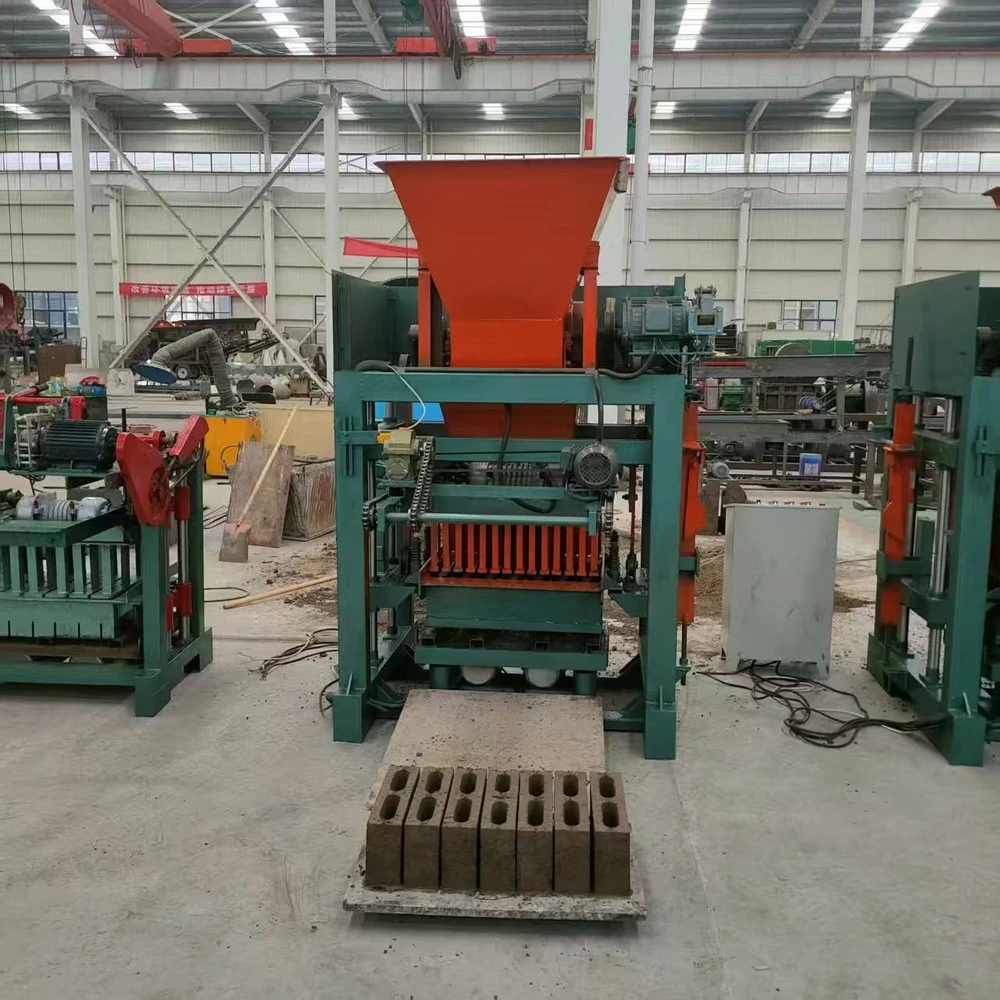
For a complete, commercial-grade automated concrete block production line, the total landed cost in Kazakhstan typically ranges between $65,000 and $160,000 USD, depending on output capacity and auxiliary automation:
- Mid-Scale Automatic Plants (e.g., QT6-15 to QT8-15): Average landed cost of $65,000 to $95,000 USD delivered to Almaty or Astana.
- High-Output Industrial Setups (e.g., QT10-15 to QT12-15): Average landed cost runs between $110,000 and $165,000 USD, including automatic batching plants, finger cars, and cubing systems.
This landed figure combines the base FOB equipment cost with cross-border rail freight via Khorgos or Dostyk, local transit insurance, terminal handling, the standard 12% Kazakhstan import VAT, and administrative fees under HS code 8474. When setting up your investment model, calculating this baseline is essential to forecast your operating margins and evaluate how much does it cost to make a concrete block under local material prices.
How long does customs clearance take for industrial machinery in Kazakhstan?
Standard customs clearance for a block machine entering Kazakhstan takes 2 to 5 business days, provided your documentation is fully prepared before the rail wagons or trucks arrive at the customs control zone (ZTK).
To avoid demurrage charges, I always ensure the following documents are pre-cleared:
EAC Declaration of Conformity: Mandatory for the Eurasian Economic Union (EAEU) technical regulations (TR CU 010/2011 for machinery safety and TR CU 004/2011 for low-voltage electrical systems).
Technical Passports & Russian-Language Manuals: Required by customs inspectors to verify machine specifications.
HS Code Classification: Pre-classified under heading 8474.80 to confirm exact duty exemptions or statutory rates.
Commercial Invoices & Packing Lists: Itemized matching exact container weights and serial numbers.
Overall transit from factory dispatch to final unloading on your factory foundation averages 18 to 28 days.
Should I purchase spare molds together with the main production line?
Yes, you should always order your secondary molds inside the initial machine shipment.
Shipping molds separately later creates unnecessary overhead:
Drastically Lower Freight Costs: Heavy steel molds (ranging from 800 kg to 1,800 kg each) share container payload space with the main frame without triggering separate LCL (Less than Container Load) rates or dedicated truck charges.
Zero Additional Customs Clearance Fees: Including paver, kerbstone, and hollow block molds on the primary commercial invoice eliminates paying duplicate customs brokerage and declaration filing fees.
Production Readiness: Having switchable tooling on hand allows you to alternate between winter wall-block runs and spring municipal paving contracts immediately.
Before signing off on your tooling manifest, run through the critical questions to ask before buying a paving block machine to ensure your mold steel undergoes proper carburizing heat treatments (minimum 58–62 HRC) to withstand abrasive aggregate mixes.