
Are you considering starting a block factory in Kazakhstan but feeling overwhelmed by the logistics and financial variables?
I’ve been tracking the rapid evolution of the regional construction market, and I know that moving from a business idea to a high-output production line requires more than just capital—it requires a strategic roadmap. Whether you are analyzing costs and payback or trying to navigate the complexities of local infrastructure and equipment selection, you need clarity to ensure your investment doesn’t just survive, but scales.
In this guide, I’m breaking down the essential steps to launch a profitable operation, from securing raw materials to calculating your true ROI in the Central Asian market.
Let’s dive in
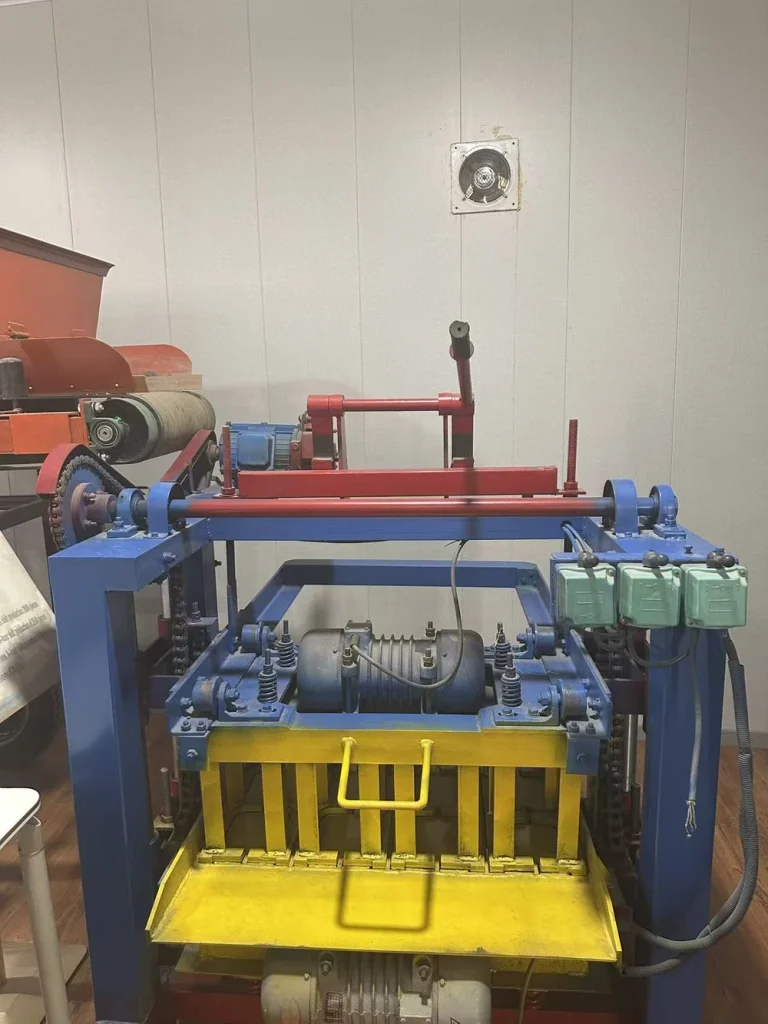
Market Overview: The Potential for a Block Factory in Kazakhstan
Construction sector trends and growth drivers
Kazakhstan is currently undergoing significant urban expansion and infrastructure modernization. Driven by government initiatives to improve housing standards and national logistics networks, the construction sector has become a primary pillar of economic growth. For entrepreneurs, this development cycle creates a sustained demand for high-quality masonry materials, positioning a local block factory as a strategic industrial asset.
Geographical and logistical advantages in Central Asia
Strategically located at the heart of the Eurasian transit corridor, Kazakhstan offers unique logistical benefits for regional distribution. Establishing a block factory within the country allows businesses to bypass the high costs and lead times associated with importing heavy construction materials. By leveraging efficient manufacturing equipment, local producers can supply rapid urban development projects while maintaining a competitive edge in regional material distribution.
Market demand for concrete blocks and construction materials
The shift toward durable, energy-efficient building solutions has accelerated market demand for diverse concrete products, including:
Hollow blocks for thermal insulation in residential builds.
Solid blocks for load-bearing industrial structures.
Pavers and curbstones for public infrastructure and urban aesthetic projects.
As the industry moves away from traditional, low-quality methods, there is a clear requirement for production lines that prioritize high-density output and consistent material quality. Investing in advanced block-making technology ensures that a facility can meet these rigorous industrial standards while scaling production to
match the country’s rapid development pace.
Planning Your Block Factory: Key Requirements and Legal Steps
Starting a Block Factory in Kazakhstan requires a structured approach to legal compliance and operational logistics. Navigating the regulatory landscape effectively ensures a stable foundation for your production line.
Business Registration and Licensing
To operate legally, you must register your entity with the local authorities. Ensure your business scope covers manufacturing of concrete building materials. Essential steps include:
Entity Registration: Select a suitable business structure (LLP is commonly preferred in Kazakhstan).
Permits: Obtain environmental impact assessments, as brick-making plants must comply with local industrial emission and waste standards.
Compliance: Secure necessary construction and fire safety certifications for your facility.
Site Selection and Infrastructure
Choosing the right site is critical for minimizing logistics costs. Prioritize areas with easy access to main roads to facilitate the transport of heavy concrete blocks. Your site planning should account for:
Utility Capacity: Ensure stable 380V power supply for high-frequency vibration motors and PLC-controlled systems.
Space Allocation: Designate zones for raw material storage, the production line, and curing areas for finished products.
Water Supply: Maintain a reliable source of water for the mixing process, which is essential for consistent concrete block machines operation.
Sourcing Raw Materials
The quality of your output depends on the local supply of core materials. Establishing reliable partnerships with local suppliers is key to maintaining a continuous production cycle.
| Material | Requirement Priority | Sourcing Strategy |
|---|---|---|
| Cement | High (Binder quality) | Establish long-term contracts with regional cement plants. |
| Aggregates | High (Density/Strength) | Ensure proximity to sand and crushed stone quarries to lower transport costs. |
| Water | Medium | Maintain an onsite reservoir to avoid production halts during supply fluctuations. |
Proper preparation of these elements allows you to transition smoothly into the setup of your fully automatic plant with minimal downtime. Focus
on optimizing your layout to improve workflow efficiency, ensuring your facility remains productive from day one.
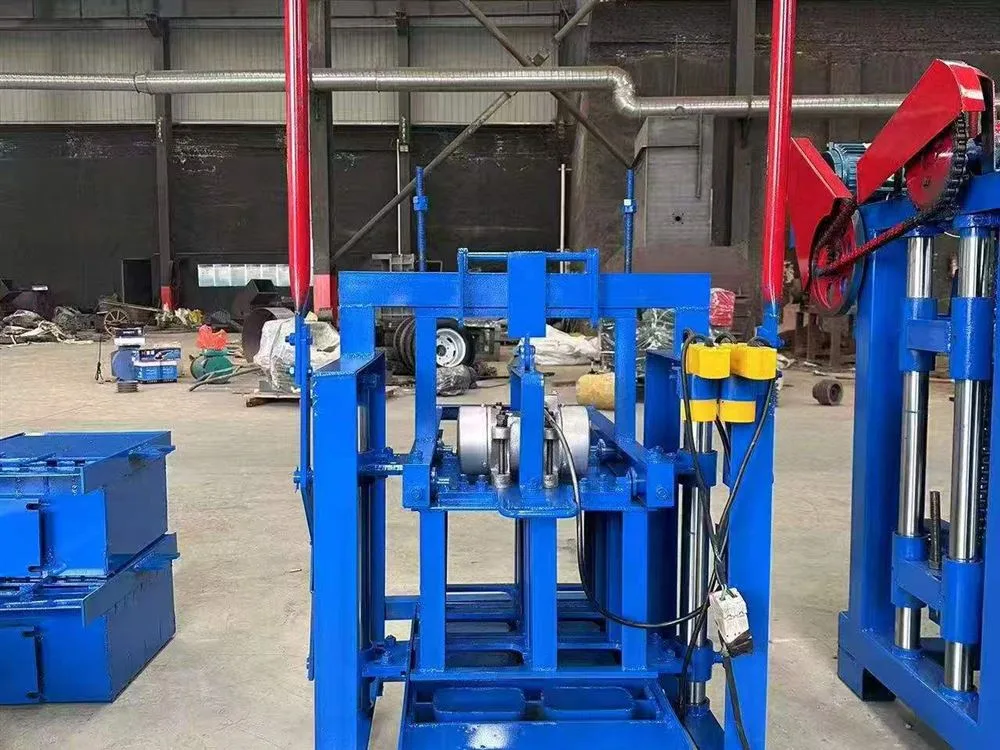
Choosing the Right Block Making Machine
Selecting the core equipment for a block factory in Kazakhstan requires balancing production output with operational scale. Choosing the right automatic block making machine is the most critical decision for long-term viability.
Comparison: Manual vs. Semi-Automatic vs. Fully Automatic Systems
| System Type | Automation Level | Best For |
|---|---|---|
| Manual | Low | Entry-level or very small-scale projects |
| Semi-Automatic | Medium | Expanding local plants with controlled labor costs |
| Fully Automatic | High | Large-scale construction and high-demand markets |
For high-volume urban infrastructure, a fully automatic plant offers the best return. These systems utilize advanced PLC controls—often integrating Siemens or Schneider components—to ensure consistency in every batch.
Assessing Production Capacity
To match your equipment to your business scale, evaluate your daily demand. High-output production lines are engineered for 24/7 operations, featuring heavy-duty steel structures that handle high-frequency vibration. This technology ensures that even at high speeds, the density and strength of the blocks meet construction industry standards. Remember that flexibility is key; you can adjust your output variety by choosing the right mold to switch between hollow, solid, or paving bricks depending on project requirements.
Technical Criteria: Energy Efficiency and Maintenance
Efficiency determines your ongoing operational budget. My approach focuses on machines designed for low power consumption without sacrificing cycle speed. Key technical considerations include:
- Integrated Controls: PLC-based systems reduce the need for manual monitoring and minimize human error.
- Heavy-Duty Construction: Durable frames decrease the frequency of repairs and extend the machine’s lifecycle.
- Technical Support: Access to 24/7 technical support and on-site training is vital for maintaining uptime in the Kazakhstan market.
Focusing on these criteria ensures your factory remains a productive, high-efficiency asset in
the regional construction value chain.
Investment Costs and Financial Planning
Starting a block factory in Kazakhstan requires a grounded investment budget that accounts for both setup assets and working capital. Proper financial planning upfront ensures your operation hits its target payback schedule without unexpected cash flow disruptions.
Breakdown of initial capital expenditure (CAPEX)
Initial capital spending depends heavily on the production automation level you select. Setting up a competitive plant involves several core asset categories:
| Expenditure Category | Components Included | Impact on Budget |
|---|---|---|
| Primary Machinery | Block forming unit, hydraulic station, PLC control panel, and custom molds | 40% – 50% |
| Material Batching | Aggregate batcher, twin-shaft mixer, cement silo, and screw conveyors | 20% – 25% |
| Site Infrastructure | Concrete foundation, curing yard slab, aggregate storage, and plant shed | 15% – 20% |
| Material Handling | Forklift, wheel loader, and curing pallets | 10% – 15% |
Before finalizing your equipment selection, review our detailed concrete block machine price guide and cost breakdown to match production capacities with your capital allocations.
Hidden costs of importing machinery from abroad
Importing industrial plant equipment into Kazakhstan involves secondary expenses that must be factored into your landed cost estimates:
- Freight and Logistics: Transporting heavy machinery via rail or road freight across borders requires certified heavy-haul carriers and secure containerization.
- Customs Clearance and Duties: Factoring in Eurasian Economic Union (EAEU) import tariffs, value-added taxes (VAT), and declaration handling charges.
- Foundation and Facility Prep: Heavy-duty machines require reinforced concrete foundations to withstand high-frequency vibration without structural shifts.
- Commissioning and Calibration: Budgeting for technician accommodation, on-site installation guidance, and trial-run raw materials before commercial production begins.
Operating costs and long-term financial budgeting
Sustainable profitability hinges on keeping operating expenses (OPEX) predictable. Long-term factory budgeting should focus on four recurring cost centers:
- Raw Materials: Cement represents the largest ongoing cost, followed by sand, crushed stone, and water. Formulating precise mix ratios directly controls unit costs.
- Energy Consumption: Industrial motors and hydraulic stations consume steady power. We build our equipment with energy-efficient drives and international-brand electrical components to minimize utility expenses during continuous shifts.
- Labor Overhead: Investing in a fully automatic plant with centralized PLC automation reduces manual labor requirements down to a lean crew of system operators and forklift drivers.
- Wear Parts and Maintenance: Regular replacement of mold wear plates, liner strips, and hydraulic seals preserves product consistency and prevents unplanned downtime. Keeping a routine spare-parts reserve protects your bottom line across multi-year cycles.
Calculating Profitability and Payback Period
Estimating monthly revenue based on output scale
To determine the revenue potential of your block factory in Kazakhstan, you must calculate the daily production capacity against current market rates for hollow, solid, and paving blocks. Revenue is directly tied to your machine’s cycle time and output consistency. Utilizing high-efficiency equipment, such as the QT6-15 block machine, allows for a predictable production schedule, enabling you to estimate monthly income by factoring in consistent block density and reduced material waste.
Factors influencing your return on investment (ROI)
The speed of your ROI is heavily influenced by three primary variables:
Operational Efficiency: Reducing downtime through high-quality hydraulic systems and reliable PLC controls.
Labor Costs: Transitioning from manual to fully automatic systems significantly lowers the cost per unit.
Product Quality: High-density, uniform blocks produced by specialized vibration technology command a premium price in the construction sector, accelerating capital recovery.
Strategies to maximize profit margins
Optimizing your investment budget involves more than just selecting the right machinery; it requires a focus on long-term sustainability:
Minimize Power Consumption: Choose machines designed for energy efficiency to keep monthly overheads low.
Diversify Output: Use interchangeable molds to produce curbs, pavers, and hollow blocks, allowing your plant to supply multiple construction segments simultaneously.
Reduce Maintenance Expenses: Prioritize heavy-duty steel structures that ensure equipment longevity and lower the frequency of replacement parts.
By focusing on high-output capacity and low-maintenance operation, you effectively shorten the payback period and increase the overall business feasibility of your block production venture. Requesting a custom quote based on your specific production requirements ensures that you are not overspending on unnecessary automation while maintaining the capacity
needed to scale.
Operational Success and Risk Mitigation
Quality control and product standard compliance
Achieving success in the Kazakhstan market requires strict adherence to international and local construction standards. Utilizing high-frequency vibration technology ensures that every block produced meets density requirements, which is critical for structural integrity in diverse climate conditions. Consistent quality control processes should be integrated into your production line to minimize waste and ensure your output complies with architectural specifications.
Managing supply chains and labor effectively
Efficiency in a block factory relies on the seamless flow of raw materials like cement and aggregates. By selecting machinery with advanced PLC-controlled automation, you can significantly reduce dependency on manual labor, minimizing human error and associated costs. For those entering the industry, understanding the foundational steps for a block machine business helps in structuring a reliable supply chain that keeps your production running without interruptions.
Marketing strategies and building contractor relationships
To maintain a competitive edge, focus on building long-term partnerships with local contractors and infrastructure developers. Providing a diverse product range—from hollow and solid blocks to paving stones and curbstones—allows you to cater to various construction segments. Leveraging the durability and output capacity of your plant as a selling point demonstrates your ability to meet the tight deadlines typical of large-scale Kazakh urban development projects. Consistency in
product quality and reliable delivery schedules are your best tools for establishing a strong reputation in the region.
Frequently Asked Questions
How long does it typically take to recover the initial investment?
The payback period for a block factory in Kazakhstan depends heavily on your production capacity, daily output, and market demand. By choosing high-efficiency machinery that minimizes labor and energy consumption, operators can accelerate their ROI. When considering your investment budget, remember that a fully automatic plant generally offers faster capital recovery due to higher output consistency and reduced long-term operating costs.
Is it necessary to have specialized technical skills to start?
While running a block factory requires operational oversight, you do not need to be an engineer to succeed. Modern block-making systems utilize PLC control systems, such as Siemens or Schneider components, which simplify operations. Partnering with a supplier that provides on-site installation guidance and comprehensive training ensures your team can manage the equipment safely and efficiently from day one.
How can I ensure the long-term sustainability of my factory?
Long-term success relies on equipment durability, consistent maintenance, and the ability to adapt to market needs. Utilizing high-frequency vibration technology allows you to produce high-density blocks that meet strict construction standards.
| Sustainability Factor | Strategy for Success |
|---|---|
| Equipment Longevity | Select machines built with heavy-duty steel structures. |
| Product Versatility | Use customizable molds for hollow, solid, and paving blocks. |
| Operational Support | Ensure access to 24/7 technical support and spare parts. |
| Efficiency | Monitor energy consumption to keep production costs low. |
By prioritizing business feasibility through reliable, automated equipment, you create a scalable foundation that can grow alongside Kazakhstan’s developing infrastructure requirements
.