
Africa is experiencing an unprecedented construction boom driven by rapid urbanization and massive infrastructure expansion. Investing in a reliable cement block machine has become one of the most profitable commercial ventures for contractors, building material suppliers, and project developers across the continent.
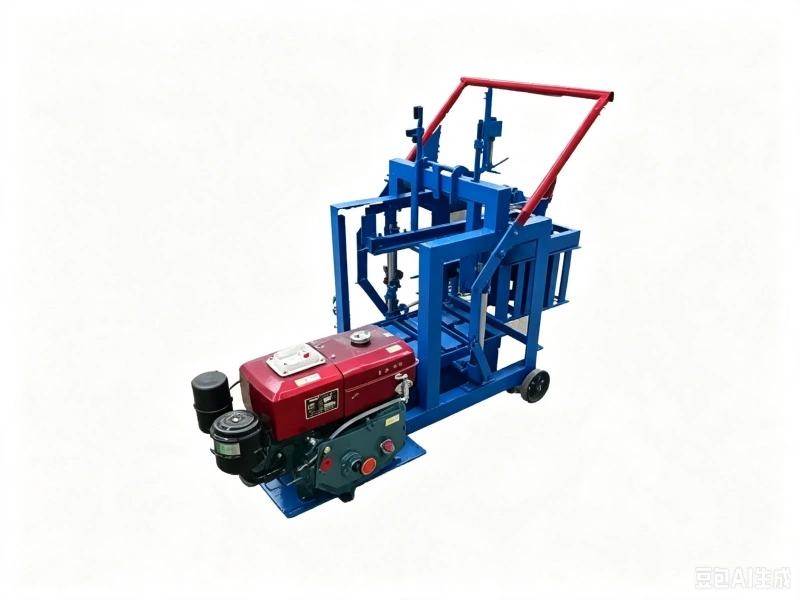
Growing Demand for Concrete Blocks in African Construction
The expansion of residential estates, commercial facilities, and municipal infrastructure across key markets—including Nigeria, Kenya, Ghana, South Africa, and Tanzania—depends heavily on durable building units. Concrete blocks remain the premier choice due to their exceptional structural strength and resistance to harsh weather conditions.
- Accelerated Urbanization: Rapid population shifts to urban centers drive continuous demand for affordable housing.
- Government Housing Initiatives: Mass housing schemes mandate millions of standardized units, boosting demand for continuous production via reliable hollow block machine units.
- High Profitability of Local Production: Manufacturing blocks on-site or nearby reduces heavy logistics expenses and optimizes profit margins.
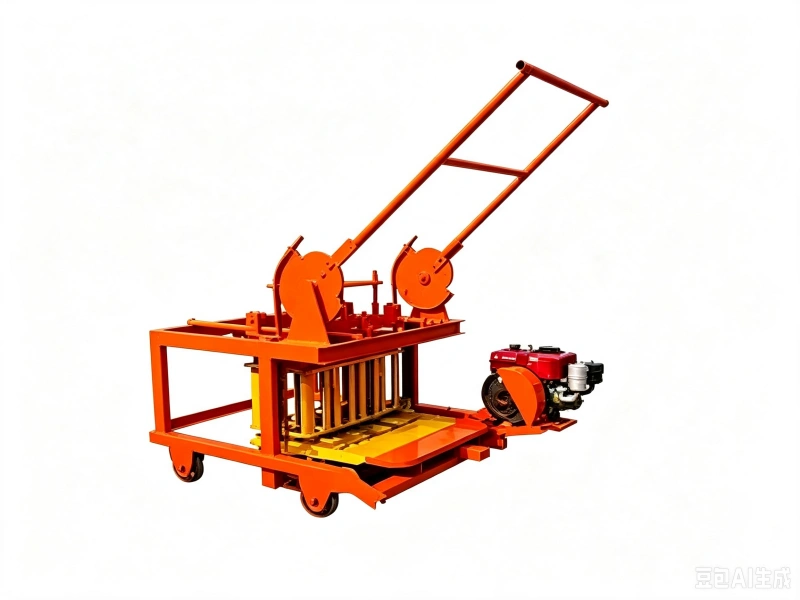
Benefits of Investing in a Budget-Friendly Cement Block Machine
For growing enterprises and start-up block factories, securing a machinery setup under $15,000 delivers an optimal balance of operational power and minimal financial risk. We specialize in manufacturing high-efficiency equipment engineered specifically for demanding work environments.
| Advantage | Operational Value | Commercial Impact |
|---|---|---|
| Low Entry Barrier | Capital outlay stays safely under $15,000 | Accelerated payback period within 3 to 6 months |
| Multi-Mold Versatility | Quick adjustments produce solid bricks, hollow blocks, and pavers | Broadens market reach with a single concrete brick machine |
| Energy Efficiency | Operates on dual power: low-kW electric motors or diesel generators | Guarantees nonstop work despite local power cuts |
| Heavy-Duty Build | High-tensile steel frames engineered for extreme duty cycles | Minimizes replacement costs and maintenance downtime |
Top Cement Block Machine Options Under $15,000
Finding the right machinery under $15,000 requires balancing daily output with build durability. When evaluating the top cement block machines for sale in Africa, choosing the right equipment type ensures immediate profitability and low maintenance costs under local operating conditions.
| Machine Category | Price Range (USD) | Est. Daily Output (8 Hours) | Best Suited For |
|---|---|---|---|
| Compact Automatic | $10,000 – $15,000 | 4,000 – 7,000 blocks | Medium-scale commercial block yards |
| Semi-Automatic Hydraulic | $6,000 – $12,000 | 3,000 – 5,000 blocks | High-density hollow & paving blocks |
| Mobile Egg-Laying | $4,000 – $9,000 | 2,500 – 4,500 blocks | Flat concrete yards (No pallets needed) |
| Manual Stationary | $1,500 – $4,500 | 1,000 – 2,000 blocks | Startup producers & remote site projects |
Automatic Concrete Block Making Machines
Entry-level automatic block making machine setups, such as the compact QT4-25 block machine, fit directly inside a $15,000 budget while offering automated vibration and hydraulic pressing.
- High Efficiency: Delivers up to 6,000 standard blocks per shift with reduced manual labor requirements.
- Multi-Product Versatility: Quick-change molds produce hollow blocks, solid concrete brick, and interlocking pavers.
- PLC Control System: Streamlines cycle timing to maintain uniform block density and consistent dimensions across every batch.
Semi-Automatic Hydraulic Block Machines
A semi-automatic block machine powered by a heavy-duty hydraulic system offers exceptional compaction pressure without the higher purchase cost of fully automated production lines. To review how different configurations fit your setup, read our detailed guide on concrete block machine types and operation.
- Hydraulic Pressure Power: Combines direct hydraulic pressure with table vibration to form high-strength, load-bearing concrete blocks.
- Simplified Maintenance: Accessible mechanical designs mean fewer complex sensors, making field repairs straightforward for local technicians.
- Adaptable Output: Effortlessly switches between high-density paving block machine production and structural hollow blocks.
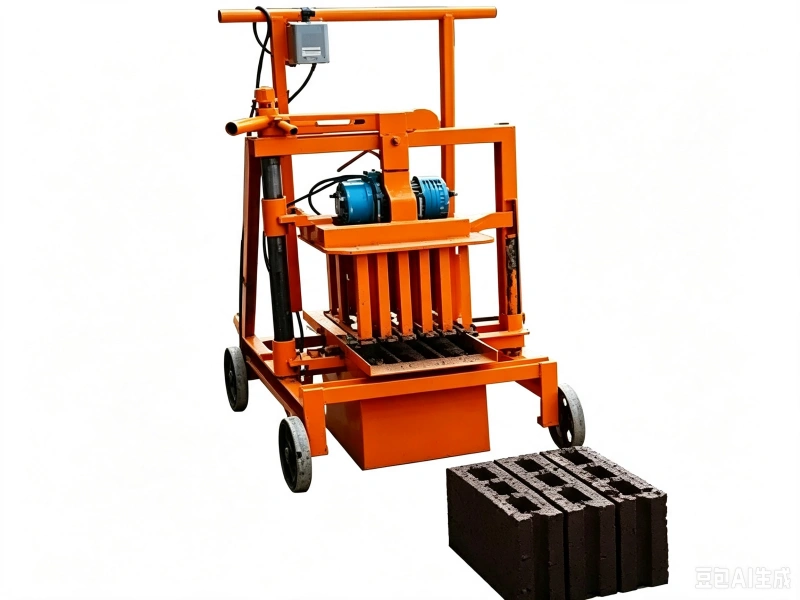
Mobile Egg-Laying Block Making Machines
Mobile or “egg-laying” machines move across a smooth concrete floor, laying finished blocks directly on the ground as they travel forward.
- Zero Pallet Investment: Eliminates the significant ongoing expense of purchasing and replacing wooden or PVC pallets.
- Rapid Cycle Times: Continuous molding and immediate demolding onto the yard floor maximize daily volume.
- Low Operating Overhead: Uses smaller electric motors or onboard diesel engines, cutting energy costs on remote production sites.
Manual and Small-Scale Stationary Block Machines
For entrepreneurs launching a block business with smaller capital, a manual block machine or small mechanical stationary unit offers a fast return on investment with low technical barriers.
- Cost-Effective Entry: Full starter production units cost between $1,500 and $4,500, leaving ample budget for raw materials.
- Diesel Engine Compatibility: Ideal for rural or off-grid locations where electrical grid reliability is a challenge.
- Wide Product Capability: Easily molds structural hollow block machine shapes, solid pavers, and interlocking brick machine styles with standard manual levers.
Key Features to Consider Within a $15,000 Budget
Selecting a cement block machine under $15,000 requires balancing structural durability with realistic output demands. Choosing the right specifications ensures long-term operational profitability without overspending on unnecessary automated features.
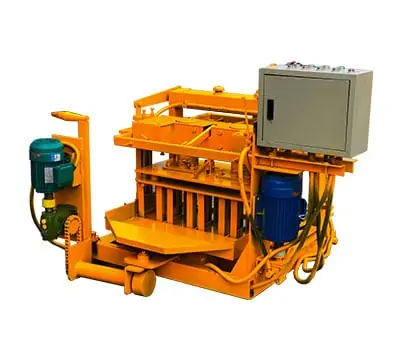
Automation Level and Daily Production Capacity
Within this price range, equipment choices generally land between manual, semi-automatic, and mobile units. Higher automation increases initial machinery costs but drastically reduces manual labor reliance and improves block consistency. Review our cinder block machine types and features guide to evaluate structural differences across capacity tiers.
| Machine Type | Typical Daily Output (8-Hour Shift) | Labor Required | $15,000 Budget Fit |
|---|---|---|---|
| Manual Block Machine | 1,000 – 2,000 blocks | 4 – 6 workers | High (Well under budget) |
| Semi-Automatic Block Machine | 3,000 – 6,000 blocks | 3 – 5 workers | Optimal (Best value & ROI) |
| Mobile Egg-Laying Machine | 4,000 – 8,000 blocks | 2 – 4 workers | Excellent (Saves pallet costs) |
| Fully Automatic Machine | 8,000+ blocks | 1 – 2 workers | Limited (Entry-level units only) |
Hydraulic Pressure and Vibration Systems
Block density and compressive strength depend heavily on the machine’s compaction mechanism. Standard mechanical vibration machines produce basic non-load-bearing units, whereas high-pressure hydraulic block machine systems produce high-density load-bearing blocks and pavers.
- Hydraulic Pressure Range: Target machines providing at least 15 to 20 MPa of pressure to meet local commercial building codes.
- Vibration Frequency: Synchronous vertical vibration ensures uniform concrete density, preventing structural cracking in hollow and solid blocks.
- Mold Quality: High hydraulic pressure requires heat-treated, wear-resistant steel molds to resist deformation during heavy daily use. For performance breakdowns, consult our hollow block making machine guide.
Power Supply Compatibility for African Operations
Unstable power grids and fluctuating voltages are primary operational challenges across many production sites in Africa. Selecting a compatible power system avoids motor burnouts and unexpected downtime.
- Diesel Engine Drive: The most reliable choice for off-grid rural sites or areas prone to frequent blackouts.
- Three-Phase Electric Motors: Best for fixed factory installations where reliable 380V/415V, 50Hz industrial power is readily available.
- Dual-Power Setup: Configuring a semi-automatic block machine with an integrated generator switch ensures uninterrupted daily production regardless of grid stability.
Cement Block Machine Price Factors in Africa
Buying a machine under $15,000 requires balancing the sticker price with operational efficiency. Beyond the machine’s base price, freight, customs taxes, and adaptability dictate your total landing cost and profit margins.
Initial Equipment Cost vs. Production Output
A lower initial cost does not always yield a higher profit. Higher-capacity machines cost more upfront, but they drastically lower the unit cost per block through speed and labor efficiency.
- Manual & Small Stationary Machines: Range from $2,000 to $6,000. Low output (1,000–2,000 blocks/day), suitable for small local projects.
- Semi-Automatic Hydraulic Machines: Range from $7,000 to $14,000. High output (3,000–5,000 blocks/day), delivering the ideal balance for growing commercial brickyards.
- Total Investment: To evaluate full setup costs and equipment options, check our concrete block machine price guide.
Shipping, Import Duties, and Local Delivery Fees
Sea freight and port logistics across major African hubs—such as Lagos, Mombasa, Tema, or Durban—add significantly to your final total budget.
- Freight Costs: Container shipping and handling usually add $1,500 to $4,000 depending on the weight of the hydraulic block machine.
- Import Tariffs: Local custom duties and clearing fees range from 10% to 30% depending on national trade regulations.
- Logistics Planning: Review our block machine China to Africa import guide to calculate exact landing costs and clear customs without delays.
Mold Customization and Spare Parts Availability
Versatile machines allow you to manufacture hollow blocks, solid bricks, and paving blocks on a single production line by changing molds.
- Mold Flexibility: Custom molds range from $500 to $1,500 each, expanding your product line to match market demand.
- Essential Spares: Always stock critical wear-and-tear items—such as vibration pads, switches, solenoid valves, and hydraulic seals—to prevent project delays in remote areas.
How Concrete Block Making Machines Work
Understanding the step-by-step production cycle helps you maximize output and maintain consistent quality on your job site. Modern cement block machines under $15,000 streamline production by combining mechanical vibration with hydraulic power.
Raw Material Batching and Mixing Process
Producing strong, durable blocks starts with getting your recipe right. We always recommend maintaining tight control over your material ratios to prevent waste and weak products.
- Material Proportioning: Mix sand, fine aggregate (crushed stone), cement, and water.
- Homogeneous Mixing: A forced twin-shaft or pan mixer blends the dry aggregate and water thoroughly to prevent clumping.
- Material Feeding: The mixed concrete feeds directly into the machine’s feed hopper, ready for molding.
For a deep dive into choosing the right aggregate ratios and cement types, check out our cement brick making machine raw materials guide to optimize your daily production costs.
Hydraulic Compression and Vibration Molding
Once concrete fills the mold box, synchronized mechanical systems pack the material dense:
- High-Frequency Vibration: Vibration motors vibrate the mold box, forcing air out and settling the heavy aggregate into every corner.
- Hydraulic Pressure: Top pressure head rams down with severe force, compacting the raw material into uniform units.
- Consistent Density: Combining dual-vibration with hydraulic block machine pressure yields high load-bearing capacity for hollow blocks, solid bricks, and interlocking pavers.
Block Demolding, Stacking, and Curing
The final stage ensures your fresh blocks maintain their structural integrity as they dry:
| Production Step | Operation Process | Key Benefit |
|---|---|---|
| 1. Demolding | Hydraulic cylinders lift the mold box while holding the top head down. | Leaves crisp, clean block edges without cracking. |
| 2. Stacking | Pallets exit via conveyor or manual cart to the curing area. | Reduces manual handling damage to fresh blocks. |
| 3. Curing | Wet-cure blocks with water spray for 7 to 14 days. | Attains full compressive strength in warm climates. |
How to Choose the Right Cement Block Machine Supplier
Selecting a reliable equipment partner requires looking beyond initial price tags to protect your capital and maintain steady daily output.
Evaluating Manufacturer Reputation and Warranty Terms
We recommend shortlisting trusted block machine suppliers with a proven operational track record across African construction markets. Look for direct factory certifications and clear structural protections before committing funds.
- Warranty Coverage: Insist on a minimum 12-to-24-month core structural warranty covering the hydraulic block machine frame, vibration motor, and main control valves.
- Material Quality: Verify the frame uses heavy-duty Q345B structural steel to handle continuous high-frequency vibration without cracking.
- Third-Party Verification: Confirm ISO9001 quality compliance and trade assurance options for safe cross-border transactions.
Checking Local Technical Support and After-Sales Service
Unplanned downtime quickly burns through profit margins, making fast technical support and spare parts logistics essential for operations across Africa.
- Spare Parts Stocking: Ensure key wearing parts—such as mold liners, hydraulic seals, switches, and core pins—are readily stocked locally or shipped via fast courier express.
- Remote & On-Site Assistance: Priority suppliers offer 24/7 video troubleshooting and dispatch local technicians for initial setup, commissioning, and operator calibration.
- Mold Interchangeability: Confirm whether replacement molds for hollow block machine or concrete brick machine configurations fit standardized mountings for easy future upgrades.
Calculating Estimated Return on Investment (ROI)
Accurately calculating project payback is a critical step when learning how to start a block machine business successfully. Balancing equipment acquisition costs against local material expenses ensures early profitability.
| Financial Parameter | Manual / Mobile Block Maker | Semi-Automatic Hydraulic Machine |
|---|---|---|
| Initial Equipment Investment | $2,000 – $6,000 | $8,000 – $14,500 |
| Daily Output (Hollow Blocks) | 800 – 1,500 blocks/day | 3,000 – 6,000 blocks/day |
| Labor Requirement | 3 – 5 Workers | 4 – 6 Workers |
| Estimated Net Margin Per Block | $0.08 – $0.15 | $0.10 – $0.18 |
| Average Payback Period | 3 to 6 Months | 5 to 9 Months |
- Raw Material Control: Aggregates, sand, and cement account for roughly 60%–70% of total operational costs. Sourcing materials locally keeps unit margins high.
- Labor Efficiency: Upgrading from a basic manual block machine to an automatic block making machine or semi-automatic block machine drastically increases yield per worker, significantly boosting profitability.