
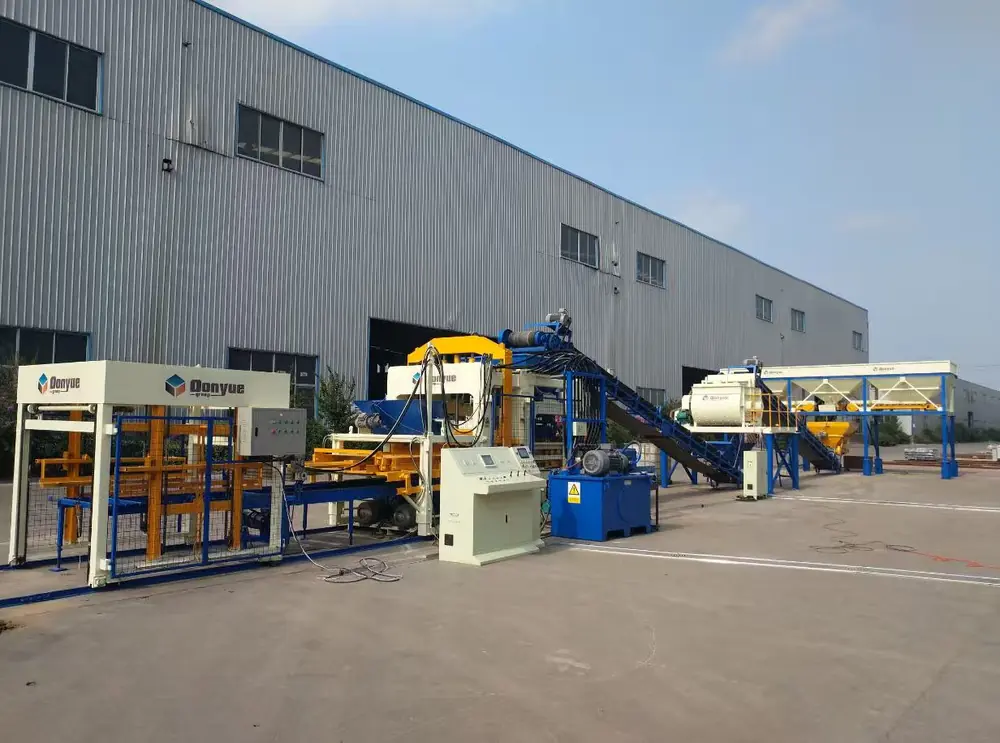
The hydraulic vs mechanical block machine debate matters more than most buyers realize. These two compression technologies produce blocks in fundamentally different ways — and the choice affects block quality, machine lifespan, maintenance cost, and your bottom line.
Wojin has installed hundreds of both types across Africa and Southeast Asia. We know from real factory data where each technology excels and where it falls short. This guide breaks down the key differences so you can pick the right machine for your operation.
- Hydraulic machines use oil pressure for compression; mechanical machines use gears and a flywheel
- Hydraulic blocks are denser and stronger; mechanical blocks are lighter and more uniform
- Mechanical machines cost less upfront and run faster; hydraulic machines last longer
- Hydraulic maintenance is more specialized; mechanical parts are simpler and cheaper
- For heavy-duty paving stones and curb stones, hydraulic is the better choice
What Is a Hydraulic Block Machine?
How Hydraulic Compression Works
A hydraulic block machine uses a hydraulic system — an oil pump, cylinders, and valves — to press the block mold. The motor drives a hydraulic pump, which pushes high-pressure oil into the main cylinders. Those cylinders press down on the mold with controlled, even force.
Hydraulic pressure typically ranges from 16 to 25 MPa (megapascals). The system uses vibration alongside compression to settle the concrete mix evenly inside the mold.
Common Hydraulic Models
Most modern fully automatic machines use hydraulic technology. Popular Wojin models include:
- QT6-15 — mid-range fully automatic
- QT8-15 — high-output automatic
- QT10-15 — heavy-duty production line
All hydraulic machines from Wojin use a PLC (programmable logic controller) for precise pressure control and consistent block quality.
What Is a Mechanical Block Machine?
How Mechanical Compression Works
A mechanical block machine uses an eccentric shaft, gears, and a heavy flywheel to create pressing force. The motor spins the flywheel, which stores rotational energy. A crank or eccentric mechanism converts that rotation into up-and-down pressing motion.
The pressing force comes from the momentum of the flywheel, not from controlled oil pressure. The vibration system works alongside the mechanical press to fill and settle the concrete mix.
Common Mechanical Models
Mechanical machines are typically smaller, simpler, and less expensive. Popular Wojin models include:
- QT4-25 — semi-automatic mechanical
- QT4-15 — entry-level mechanical
- Egg-laying mobile machines — portable mechanical type
Mechanical machines work well for small producers and buyers with limited technical knowledge. Their simple design means almost any mechanic can repair them.
Hydraulic vs Mechanical Block Machine: Core Differences
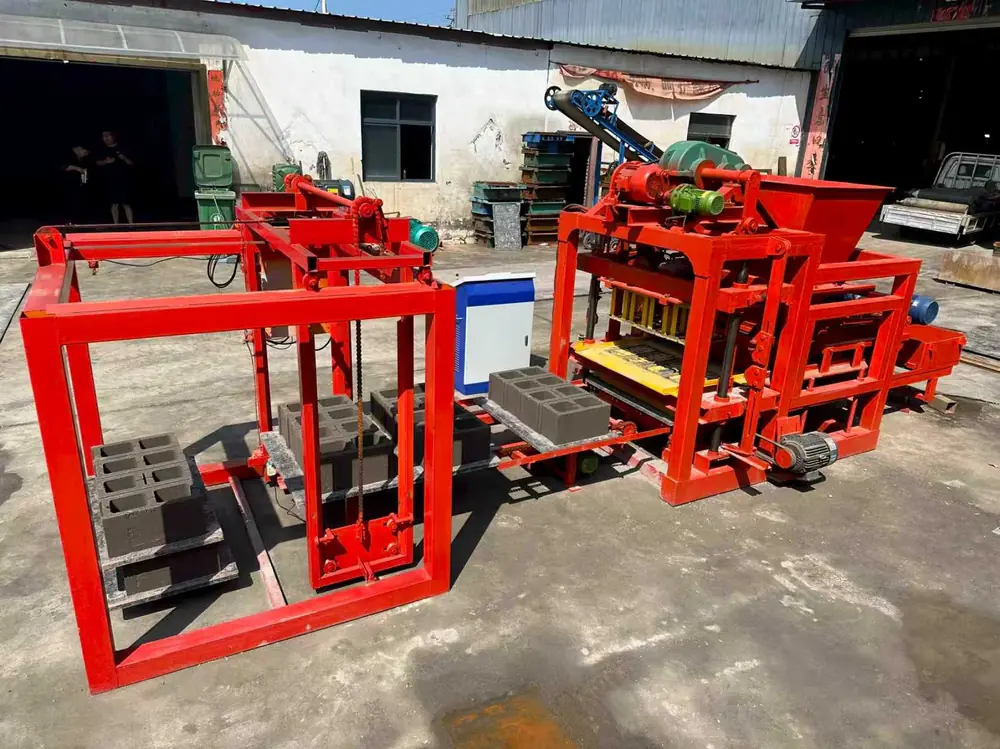
Left: hydraulic system with cylinders and valves; Right: mechanical machine with flywheel mechanism
Compression Method
The biggest difference is how the machine creates pressing force.
- Hydraulic: Oil pressure drives cylinders. Pressure stays even across the entire mold surface.
- Mechanical: Flywheel momentum drives an eccentric shaft. Force peaks at the bottom of each stroke.
Hydraulic systems give you precise control over pressure. You can adjust it for different products — lighter pressure for hollow blocks, heavier pressure for paving stones. Mechanical machines operate at a fixed force set by the flywheel size.
Block Quality and Density
Block quality is where the technology difference matters most.
- Hydraulic blocks: Denser and stronger, especially for paving stones and curb stones. Higher compressive strength.
- Mechanical blocks: Good uniformity and consistent size. Slightly lower density works fine for standard hollow blocks.
For standard hollow blocks used in wall construction, both technologies produce acceptable quality. For products that need high strength — interlocking pavers, road curbs, retaining wall blocks — hydraulic compression gives better results.
Production Speed
Mechanical machines often run faster per cycle because the flywheel system moves quickly.
- Hydraulic: 15–25 second cycle time (depends on product type)
- Mechanical: 10–18 second cycle time
Faster cycles do not always mean more blocks per day. Hydraulic machines typically make more blocks per mold position, and they can run longer without stopping for adjustments.
Hydraulic vs Mechanical Cost Comparison
Purchase Price
Mechanical machines cost less upfront. The simpler design uses fewer expensive components.
| Machine Type | Price Range (Main Unit) | Full Line |
|---|---|---|
| Mechanical (semi-auto) | $12K – $25K | $18K – $35K |
| Hydraulic (fully auto) | $28K – $55K | $40K – $75K |
Prices vary by capacity, automation level, and manufacturer. A top-of-the-line hydraulic production line costs 2–3 times more than a basic mechanical machine.
Maintenance and Repair Cost
Long-term maintenance costs also differ significantly.
- Mechanical: Cheaper parts, simpler repairs. Bearings, belts, and gears cost much less than hydraulic components.
- Hydraulic: Higher parts cost. Hydraulic pumps, valves, and cylinder seals are expensive. You need a technician who understands hydraulic systems.
Hydraulic machines cost more to fix when something breaks. But they break less often if you follow a proper maintenance schedule — regular oil changes, filter replacements, and seal checks prevent most serious problems.
Operating Cost Per Block
Per-block production costs are closer than you might think.
- Electricity: Similar overall. Hydraulic pumps use more power per cycle, but fewer cycles per day
- Labor: Both need 3–4 workers per shift for equivalent models
- Raw materials: Same per block. Hydraulic machines can sometimes use less cement for the same strength — a small saving
Hydraulic vs Mechanical: Pros and Cons
Hydraulic Block Machine
✅ Advantages
- Denser, stronger blocks
- Adjustable pressure for different products
- Longer machine lifespan
- Smoother, quieter operation
- Better for heavy products
- Higher resale value
❌ Disadvantages
- Higher purchase price
- More complex to repair
- Needs hydraulic oil changes
- Specialized technician required
- Oil leaks possible with poor maintenance
Mechanical Block Machine
✅ Advantages
- Lower purchase price
- Simple, familiar technology
- Cheap and easy repairs
- Any mechanic can fix it
- Faster cycle time
- No hydraulic oil to manage
❌ Disadvantages
- Fixed compression force
- Not ideal for heavy products
- Shorter machine lifespan
- More vibration and noise
- More wear on moving parts
- Less consistent block density
Hydraulic vs Mechanical: Which Should You Choose?
Choose hydraulic if you make paving stones, curb stones, or need high block strength. Choose mechanical if you make standard hollow blocks, have a tight budget, or lack technical staff.
Choose Hydraulic If…
- You make paving blocks, curb stones, or retaining wall blocks
- Block strength and density are top priorities
- You plan to run the machine 10+ years
- You have or can hire a technician who understands hydraulics
- Your budget supports a higher initial investment
- You want a wider range of product options
Choose Mechanical If…
- You mainly make standard hollow blocks and solid bricks
- Your budget is limited
- You lack access to specialized technical support
- You want the simplest possible machine to operate
- You are new to the block business and testing the market
- Repair parts need to be cheap and easy to find locally
Hydraulic vs Mechanical Block Machine FAQs
Hydraulic machines make stronger, denser blocks because they apply even, controlled pressure across the entire mold.
The difference is most noticeable with:
- Paving stones — hydraulic ones handle traffic better
- Curb stones — hydraulic ones are denser and less likely to chip
- High-strength hollow blocks — hydraulic models achieve higher MPa ratings
For standard wall blocks, both types produce acceptable quality.
Yes, hydraulic machines cost more upfront — typically 50–100% more than a comparable mechanical model.
But cost depends on what you compare:
- Basic mechanical machine: $12K–$25K
- Mid-range hydraulic machine: $28K–$55K
Hydraulic machines last longer and hold their value better. Over a 10-year lifespan, the cost difference narrows.
Mechanical machines are easier to maintain. Their simple gear-and-flywheel design means almost any mechanic can work on them.
Hydraulic machines need:
- Regular oil and filter changes
- Seal inspections and replacements
- A technician who understands hydraulic systems
Well-maintained hydraulic machines actually break down less often. But when they do, repairs cost more.
It depends on the specific model, but hydraulic machines typically use slightly more power because the hydraulic pump runs continuously.
Power consumption examples:
- Small mechanical: 25–35 kW
- Mid-size hydraulic: 45–55 kW
Per-block electricity cost is similar because hydraulic machines produce more blocks per hour.
With proper maintenance:
- Mechanical: 5–8 years before major overhauls
- Hydraulic: 8–12 years before major overhauls
Hydraulic machines last longer because they have fewer high-wear moving parts. The hydraulic system absorbs shocks that would wear out gears and bearings in a mechanical machine.
No — you cannot convert a mechanical machine to hydraulic. The frame, pressing mechanism, and control system are completely different.
If you start with mechanical and later need hydraulic, you will need to buy a new machine. That is why it pays to think ahead about your product plans before buying.
Some buyers start with a smaller QT4-25 semi-automatic to test the market, then upgrade to a hydraulic model like the QT6-15 once demand is proven.
Final Thoughts
Key Differences to Remember
Hydraulic and mechanical block machines both make concrete blocks, but they use different technology with different strengths. Hydraulic machines produce denser blocks, last longer, and handle a wider range of products — at a higher price. Mechanical machines cost less upfront, are simpler to fix, and work fine for standard hollow blocks.
Our Recommendation
Start with what you plan to produce. If your main product is standard hollow blocks and you are on a budget, go mechanical. If you plan to make paving stones, curb stones, or need top block quality, go hydraulic.
When in doubt, lean hydraulic. The extra cost pays off through longer machine life, better product quality, and more production flexibility.
Get Help Choosing
Still not sure which technology fits your operation? The Wojin team can recommend the right machine based on your product mix, budget, and local market conditions. We have installed both types in 30+ countries and know from real data what works in different situations.
Disclaimer & Disclosure
Editorial Disclosure: This article is published by Wojin Machinery, a manufacturer of concrete block making machines. We have a financial interest in the products discussed. However, the technical comparisons and performance data in this guide reflect our real customer data and 2026 factory direct pricing, not theoretical marketing claims.
Data Sources: Performance and lifespan data come from real-world factory output measurements of our installed machines across multiple countries. Price data reflects our 2026 ex-factory pricing for standard configurations. Quality comparisons are based on independent compressive strength testing of blocks from both machine types.
Financial Disclaimer: This article provides general information only and is not financial advice. Investment returns depend on many factors beyond equipment quality, including local market prices, labor costs, electricity reliability, and management skill. Always conduct your own market research and consult a business advisor before making investment decisions.
Not sure whether hydraulic or mechanical is right for you?
Get a free consultation and machine recommendation from our technical team.
Get Free Consultation