
Block Machine
A block machine uses hydraulic or mechanical pressure to shape concrete mixtures into uniform blocks. One machine can switch moulds to produce hollow blocks, solid blocks, paving bricks, or curbstones. This covers essential building materials used in construction projects around the world.
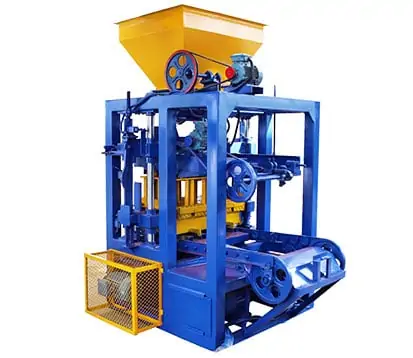
LMT4-26 Manual Hollow Block Machine
The LMT4-40 is a basic manual block machine. It’s great for small block production, rural construction sites, and new businesses. It runs on 9.5 kW and needs no automated pallet system. This makes it suitable for places with limited infrastructure or unstable power.
Details:
- Price starts from (excluding shipping): $3,500
- Pallet size: 850×450 mm or 850×550 mm
- Power: 9.5 kW
- Weight: 2T
LMT4-35 Concrete Hollow Block Machine
The LMT4-35 is an automatic hollow block machine suited for medium-to-large scale production. It provides exact automation during production. This is better than semi-automatic machines. It provides more consistent output and requires less work from operators.
Details:
- Price starts from (excluding shipping): $14,000
- Pallet size: 850×550 mm
- Power: 17.5 kW
- Weight: 4.2T
LMT4-40 Automatic Block Making Machine
The LMT4-40 is a fully automatic block-making machine. It has a hydraulic system that automates the whole production cycle. This includes pallet loading, material distribution, compression, block conveying, and stacking. It delivers consistent block density at commercial output rates.
Details:
- Price starts from (excluding shipping): $16,000
- Pallet size: 850×550 mm
- Power: 19 kW
- Weight: 6T
QT5-15 Block Making Machine For Sale
The QT5-15 is an efficient block-making machine. It features PLC control, a hydraulic station, a green block conveyor, and a pallet feeder. These components come standard. Designed for large-scale block production with minimal operator input and high-density consistent output.
Details:
- Price starts from (excluding shipping): $20,000
- Pallet size: 1100×570 mm
- Power: 32 kW
- Weight: 6.6T
Related Product With Block Making Machines
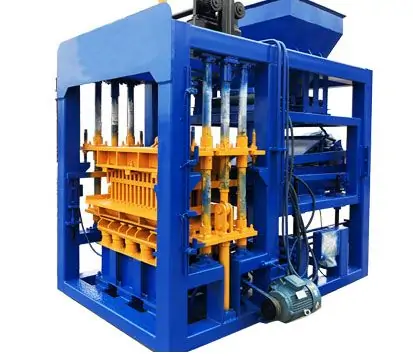
Fly Ash Blocks Machine
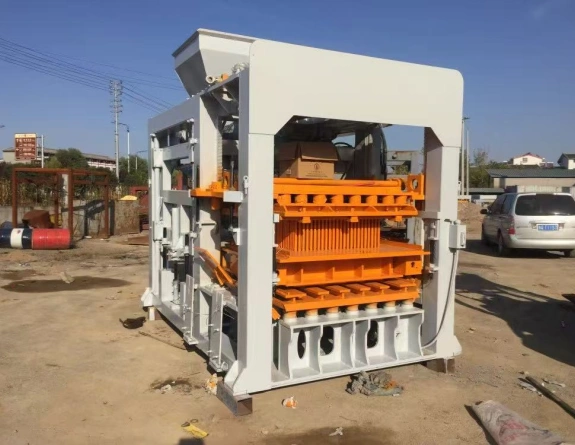
Concrete Block Making Machine
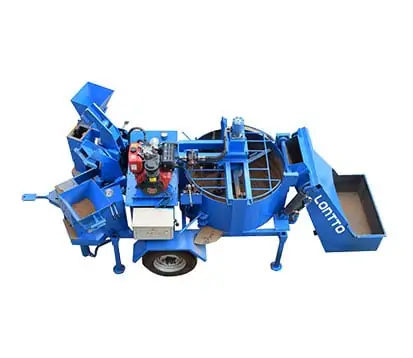
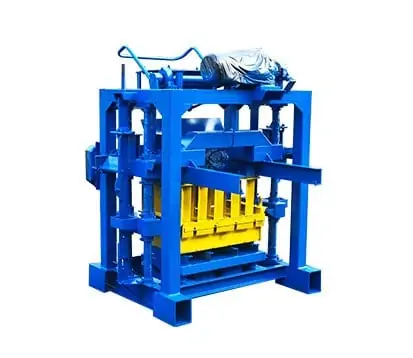
Automatic Block Making Machine
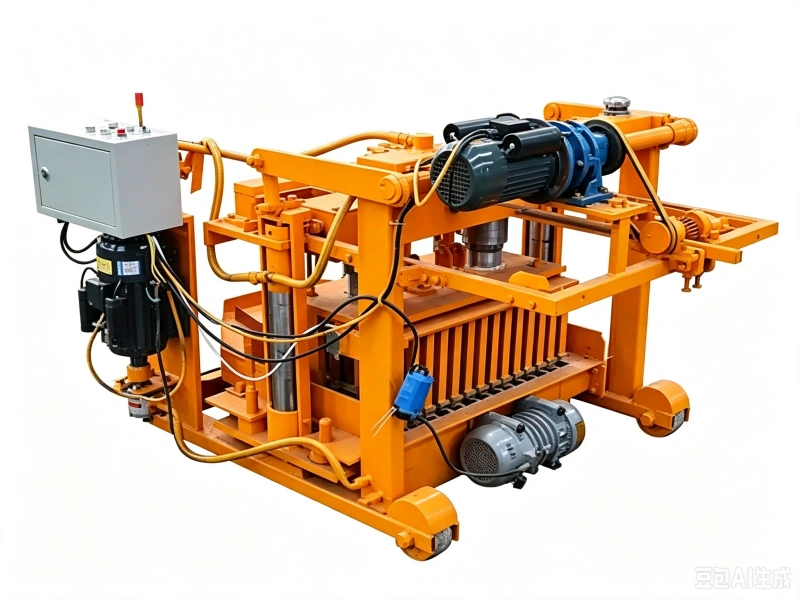
Cinder Block Machine
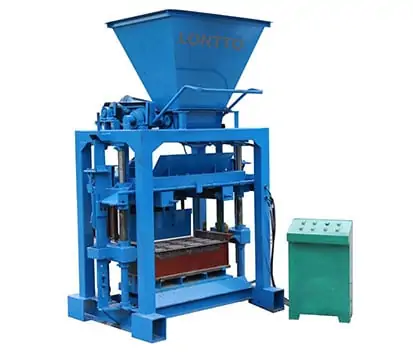
Compressed Earth Block Machine
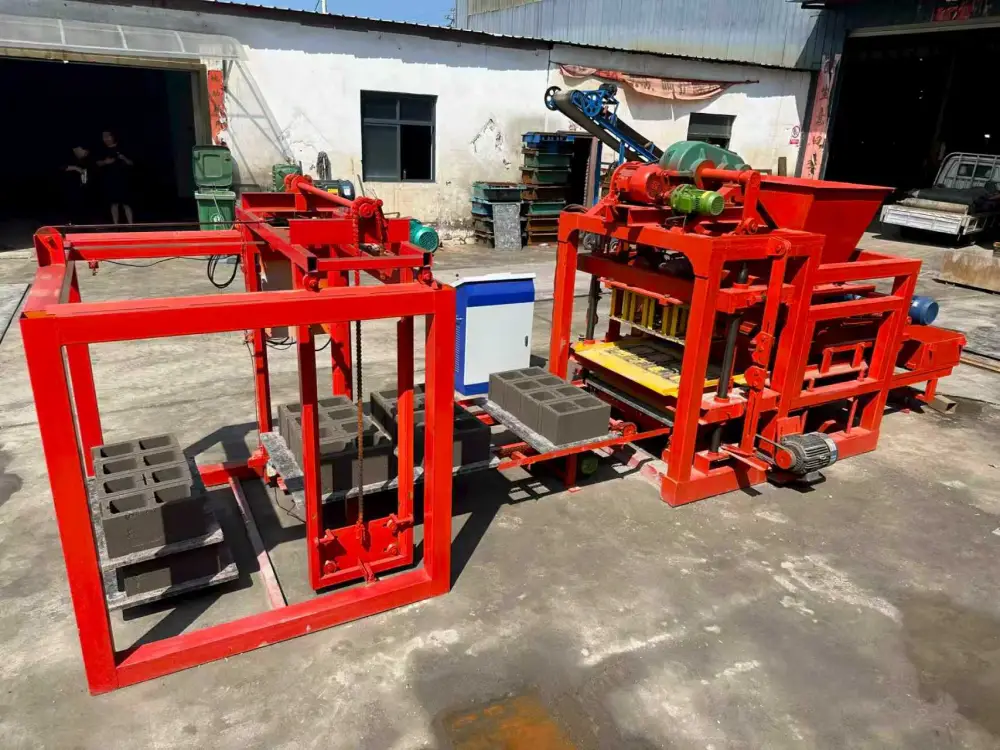
Semi Automatic Block Making Machine
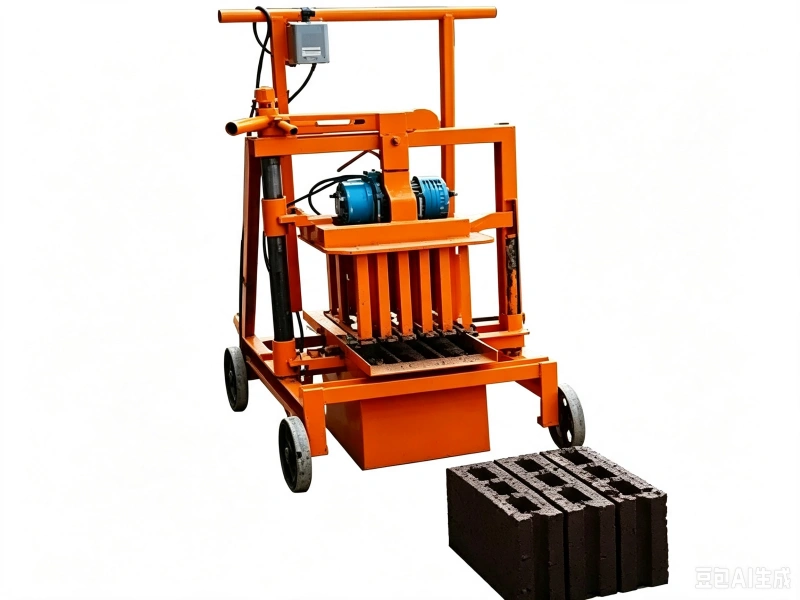
Small Block Making Machine
How to Choose the Right Block Machine
Picking the right block machine depends on your daily production goals, market needs, and investment plans. We help operators find the right equipment specs. This ensures long-term profits and reliable operations.
Output volume required
Matching machine capacity to your target supply prevents operational bottlenecks and wasted energy.
Small-Scale (1,000–3,000 blocks/day): Ideal for local construction projects or startups with manual or mobile block machines.
Medium-Scale (3,000–8,000 blocks/day): Great for commercial suppliers using semi-automatic systems.
Large-Scale (8,000+ blocks/day): Needs high-capacity, fully automatic hydraulic block machines that run non-stop.
Block type
Different block types require specific hydraulic pressure levels and interchangeable block machine moulds.
Hollow & Solid Blocks: Standard vibration and moderate hydraulic compression deliver consistent wall units.
Paver & Interlocking Blocks: High-pressure hydraulic block machines create dense, strong, and smooth paving blocks.
Automation level
Select an automation setup based on local labor, skill level, and speed needs.
Automation TypeTarget ApplicationLabor RequiredOutput CapacityManual / MobileSmall entry-level sites | High | Low Semi-Automatic | Growing commercial plantsModerateMediumFully AutomaticIndustrial production linesMinimalHigh
Power source
Your operating environment determines the best power drive for your plant setup.
Electric Motors: Offer high energy efficiency and reduced maintenance costs when stable three-phase power is present.
Diesel Engines: Provide reliable, standalone operation for off-grid or remote job sites.
Budget
Balance your upfront machinery investment against long-term operational costs. Always consider key additions like durable block machine pallets, custom molds, and spare parts. These help prevent costly downtime and keep your line running smoothly.
Block Machine Price Guide
| Model | Type | Output (blocks/day) | Price Range (USD) |
|---|---|---|---|
| QT3-20 | Semi automatic | 5,000–7,000 | $8,000–$13,000 |
| QT4-15 | Hydraulic | 8,000–12,000 | $13,000–$20,000 |
| QT6-15 | Hydraulic | 12,000–18,000 | $20,000–$35,000 |
| QT8-15 | Automatic | 18,000–25,000 | $30,000–$50,000 |
| QT10-15 | Automatic | 25,000–35,000 | $45,000–$80,000 |
Block Machine — Frequently Asked Questions
A block machine is industrial equipment designed to compress raw materials—such as concrete, cement, cinders, or fly ash—into structural building units. Using heavy vibration and hydraulic pressure, our equipment manufactures hollow blocks, solid blocks, interlocking pavers, and custom masonry units quickly and uniform in strength.
Equipment pricing depends on automation, daily capacity, and output requirements.
Machine TypeTypical Price Range (USD)Best Used ForManual / Egg Laying$1,000 – $5,000Low capital, entry-level, mobile setupsSemi-Automatic$6,000 – $25,000Growing small businesses & regional suppliersAutomatic Hydraulic$30,000 – $150,000+High-volume industrial production lines
While both form construction materials, they differ in output size, pressure mechanics, and mold design:
Block Machine: Engineered for larger units like hollow block and solid block products. Uses intense vibration combined with hydraulic pressure to handle heavy aggregate mixes.
Brick Machine: Optimized for smaller, high-density units like standard clay or fly ash bricks. Focuses on fine surface finishes and precise dimensional margins.
We categorize machines based on operation style and mobility:
Manual Block Machine: These hand-operated press systems are perfect for remote areas or small field projects.
Semi-Automatic Block Machine: Combines manual raw material loading with powered hydraulic compaction.
Automatic Block Machine: Fully automated systems utilizing PLC controls for high-speed output.
Mobile / Egg Laying Block Machine: These self-propelled units create blocks right on a concrete floor. They don’t need a block machine pallet.
Selection comes down to three main factors:
1. Production Demand: Match daily block count requirements with machine cycle speed.
2. Product Range: Make sure it works with interchangeable molds for paver blocks, interlock blocks, and standard masonry types.
3. Site Infrastructure: Check that your workspace has enough power, reliable water access, and plenty of curing space.
The production process follows four key steps:
Batching & Mixing: Cement, aggregate, and water mix into a uniform mass.
Feeding: The aggregate mixture fills the block machine mould.
Compaction: High-frequency vibration and heavy hydraulic block machine pressure work together to compact the mix. This helps push out air pockets.
Demolding: Formed blocks are ejected onto pallets or floors for immediate curing.
Proper maintenance prevents downtime and prolongs component life:
Daily Washdowns: Clean out leftover wet concrete from the mold cavity and feed hopper after each shift.
Regular Lubrication: Grease guide pillars, bearings, and moving hydraulic arms daily.
Inspect Wear Parts: Check block machine spare parts such as rubber vibration pads and mold liners for wear signs.
Hydraulic Checks: Keep an eye on fluid levels. Change filters and ensure oil stays cool during heavy use.
Assess Local Demand: Find out which products sell quickly in your area, like concrete block machine products, pavers, or interlocking units.
Secure Infrastructure: Build a flat, covered facility. Ensure it has stable three-phase power and a dedicated curing yard.
Invest in Machinery: Select a machine setup that meets your budget and daily production goals.
Establish Material Supply: Lock in consistent, cost-effective sources for sand, aggregate, and cement.
If you're new to block manufacturing, start with a semi-automatic block machine or a mobile egg laying block machine. These systems reduce your initial costs. They make daily tasks easier and need little operator training. Plus, they ensure consistent block density.
For businesses, a stationary concrete block machine with quick-change molds gives the best output. This flexibility lets small businesses change production between paving block, hollow block, and solid block based on what customers want.
Speak To Our Brick Machine Expert
Picking the right block machine for your production line can be simple. We have years of hands-on experience in making, installing, and servicing industrial block making equipment for clients worldwide. Our team offers clear, simple technical advice. Whether you're upgrading an old setup or starting a new concrete block plant, we tailor our guidance to fit your project needs.